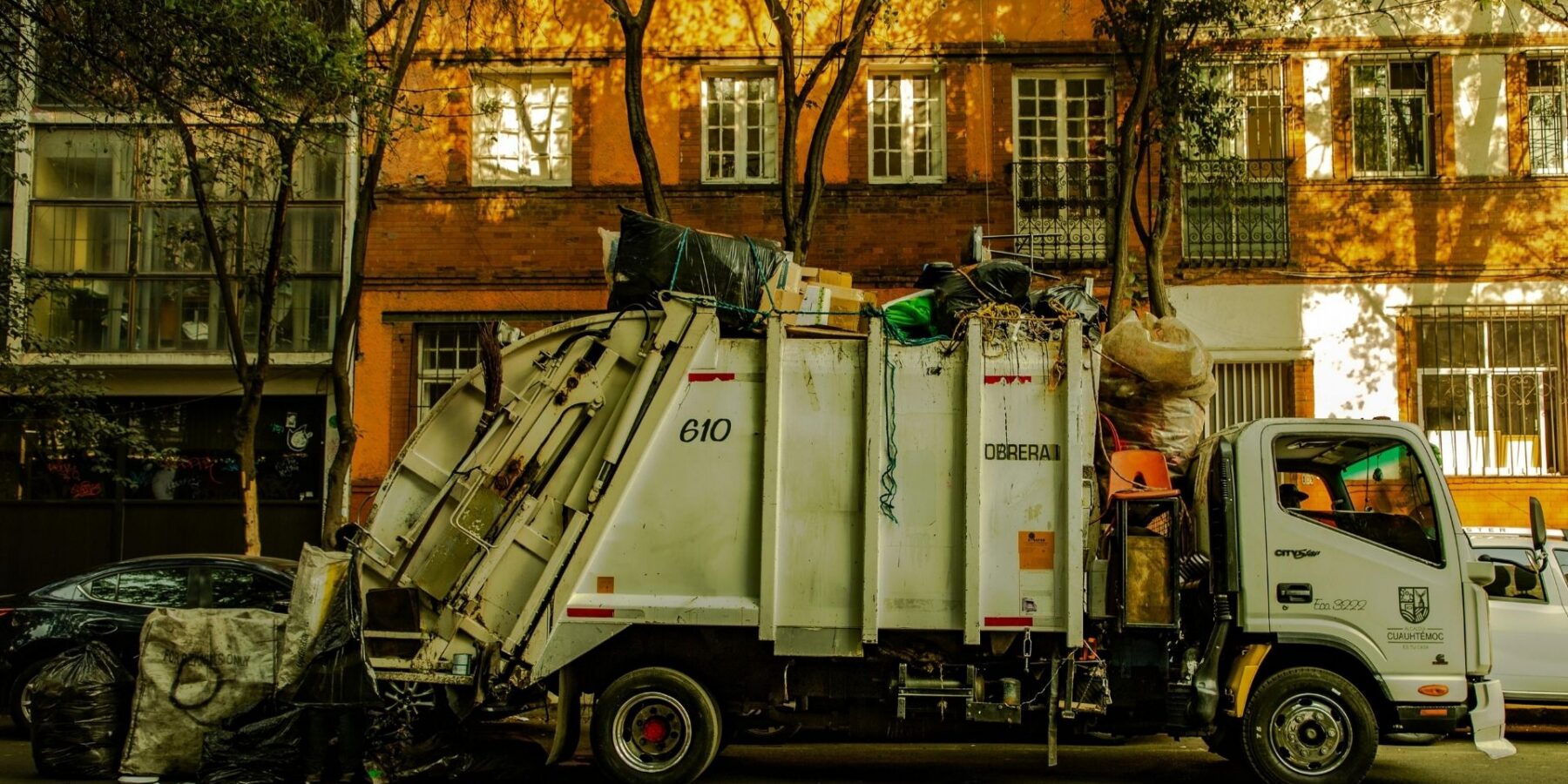
Trash Truck Accidents Lawyers in Oregon
Trash truck accident lawyers in Oregon help injured people after crashes involving garbage trucks, sanitation vehicles, municipal waste trucks, and private collection vehicles. These cases often involve serious injuries because garbage trucks are heavy, make frequent stops, and operate close to pedestrians, cyclists, and neighborhood traffic. Legal analysis on garbage truck accidents explains that these crashes can involve driver error, maintenance problems, blind spots, and several possible defendants.
A trash truck accident can leave victims with medical bills, missed work, pain, and questions about who must pay for the damage. Some crashes involve private waste companies, while others involve city or county vehicles. That distinction matters because claims against public entities may involve special notice rules and shorter timelines.
Goldberg & Loren help injury victims across Oregon evaluate serious vehicle accident claims and pursue compensation from the parties responsible. George Goldberg and James Loren have helped build a personal injury firm with decades of experience handling serious accident cases. If you were injured in a garbage truck crash, call (971) 803-4962 to discuss your next steps.
What Do Trash Truck Accidents Lawyers in Oregon Do After a Crash
After a serious crash involving a garbage truck, early legal action can shape the strength of the claim. Trash truck accident lawyers in Oregon begin by identifying what caused the crash, who controlled the vehicle, and how the injuries changed the victim’s life. This process often requires more than reviewing a police report because garbage truck cases may involve private waste companies, municipal agencies, maintenance vendors, contractors, drivers, insurers, and public entities with different legal responsibilities.
Goldberg & Loren works with injured people across Oregon in serious vehicle accident cases, including claims involving commercial vehicles and truck crashes. The firm’s Oregon personal injury team can investigate the crash, preserve records, and help clients understand what a claim may involve. In a garbage truck case, that support can help protect evidence such as route logs, inspection records, driver training files, maintenance history, dash camera footage, and witness statements before it disappears.
A lawyer can also help injured victims avoid early mistakes that may weaken the claim. Insurance companies may ask for recorded statements, offer quick settlements, or dispute whether the crash caused the injuries. By stepping in early, trash truck accident lawyers in Oregon can document medical treatment, identify every liable party, and build a claim that accounts for current losses, future care needs, lost income, pain, and long-term effects.
What Makes Trash Truck Accidents Different From Other Truck Cases
Trash truck crashes are different because garbage trucks do not operate like long-haul commercial trucks. They move through neighborhoods, stop every few houses, back into tight spaces, and travel near people walking dogs, riding bikes, or heading to work. Those route patterns create constant risk because the truck is always entering, exiting, stopping, turning, or reversing near people who may not expect its next move.
A standard car crash may involve two drivers and two insurance companies. A garbage truck crash may involve a driver, a waste management company, a maintenance contractor, a city agency, and a separate insurance administrator. That makes liability harder to identify and harder to prove without a careful investigation into ownership, route control, driver training, maintenance records, and the contract governing the collection route.
These cases also require a close look at how the truck was being used at the moment of impact. A crash during backing may point to blind spot failures, missing spotters, or defective warning systems. A crash during pickup may raise questions about sudden stops, blocked lanes, unsafe routing, or poor crew coordination.
Unique Risks From Residential Routes And Frequent Stops
Residential routes create sudden hazards because trash trucks stop repeatedly. Drivers behind them may not expect frequent braking, and pedestrians may step near the truck during collection. Children, cyclists, parked cars, and narrow Oregon neighborhood streets can make these routes more dangerous.
These crashes can occur at low speeds and still cause major harm. A garbage truck’s size and weight can crush smaller vehicles or pin pedestrians against objects. Lawyers must study the route, traffic conditions, and driver decisions to understand how the crash happened.
Blind Spots And Limited Visibility Around Waste Trucks
Garbage trucks have large blind spots, especially near the rear and passenger side. A driver may not see a cyclist riding alongside the truck or a pedestrian walking behind it. Backup cameras and mirrors help, but they do not eliminate every visibility problem.
Blind spots become more dangerous in early morning hours, bad weather, and crowded residential areas. When a driver reverses or turns without confirming the area is clear, the results can be severe. Evidence from cameras, witnesses, and vehicle systems may help show whether the driver acted safely.
How Garbage Truck Design Increases Injury Severity
The weight and design of garbage trucks increase injury severity. Victims may suffer fractures, spinal injuries, traumatic brain injuries, crush injuries, or fatal trauma. These injuries often require emergency care, surgery, rehabilitation, and long-term medical support.
A strong claim must show the full impact of the injury. Medical records, work records, expert opinions, and family statements can help explain how the crash affected the victim’s health, income, and daily life.
nts can help explain how the crash affected the victim’s health, income, and daily life.
How Legal Claims Begin After a Trash Truck Accident
A legal claim begins with evidence. Lawyers review police reports, collect photos, inspect the crash site, contact witnesses, and look for video from nearby homes, businesses, traffic cameras, or truck systems. The sooner this work begins, the better the chance of preserving proof that shows how the crash happened and who had control over the vehicle.
Trash truck cases may involve records that only the company, contractor, or public agency controls. Important records may include driver schedules, route assignments, maintenance logs, inspection reports, safety policies, training materials, GPS data, dispatch notes, and internal incident reports. A lawyer can send preservation demands so these materials are not deleted, changed, or lost during normal business operations.
Key early steps often include:
- Identifying whether the truck was privately owned, city-operated, or contractor-managed
- Determining whether driver error, poor maintenance, unsafe routing, or equipment failure played a role
- Documenting medical treatment, missed work, pain levels, and future care needs from the start
- Reviewing insurance coverage and possible notice deadlines
Investigating the Scene and Preserving Evidence
The crash scene can reveal important details. Skid marks, debris patterns, vehicle damage, traffic signs, sightlines, and road conditions may all help explain what happened. In some cases, accident reconstruction experts can study these facts and create a more complete picture.
Evidence preservation matters because trash truck companies may move vehicles back into service quickly. Repairs, cleaning, and routine operations can erase key details. Early legal involvement helps protect the information needed to prove negligence.
Identifying All Responsible Parties in Garbage Truck Accident Claims
Liability may extend beyond the driver. A waste company may be responsible for unsafe training, poor supervision, or failure to maintain the truck. A contractor may share responsibility if it serviced the vehicle improperly. A public agency may be involved if the truck belonged to a city or county.
Identifying every responsible party matters because each one may have different insurance coverage and legal obligations. A complete investigation helps prevent defendants from shifting blame and leaving the victim without full compensation.
Why Early Legal Action Impacts Case Strength
Early legal action gives the victim a better chance to secure evidence and meet deadlines. Witnesses may forget details, video may be deleted, and vehicle records may become harder to obtain as time passes. Quick action helps keep the claim grounded in facts.
Insurance companies may contact victims soon after the crash. A lawyer can handle those conversations and help prevent statements that may later be used against the injured person. That guidance can make a major difference in a high-value injury claim.
What Garbage Truck Victims Gain From Working With a Law Firm
A law firm gives victims structure during a difficult time. Instead of trying to manage medical bills, insurance adjusters, evidence requests, and legal deadlines alone, victims can rely on a team that knows how serious accident claims develop. That support helps reduce avoidable mistakes, especially when a garbage truck case involves a private company, public agency, contractor, or commercial insurer.
Goldberg & Loren brings experience with serious injury claims and commercial vehicle cases. The firm can assess liability, document damages, and pursue compensation that reflects the full harm caused by the crash. This may include medical expenses, lost income, future treatment needs, pain, reduced mobility, and the long-term impact on daily life.
Working with a law firm can help victims by:
- Preserving evidence before it disappears
- Handling communication with insurance companies
- Identifying every responsible party
- Calculating current and future losses
- Preparing the claim for settlement negotiations or litigation
- Protecting victims from quick settlement offers that undervalue the case
Managing Insurance Companies and Large Commercial Policies
Commercial vehicle insurers often defend claims aggressively. They may dispute liability, argue that the victim caused the crash, or claim that injuries are unrelated. They may offer quick settlements before the victim knows the full medical outlook.
Lawyers respond by building the claim with records, facts, and expert support. They review policy coverage, identify every insurer involved, and push for compensation that reflects the actual losses.
Building Claims for Serious and Catastrophic Injuries
Serious injuries require careful documentation. A claim may include emergency care, surgery, physical therapy, medication, future treatment, lost wages, reduced earning capacity, and pain. Some victims may need long-term support or permanent changes to their home and work life.
A strong legal claim connects each loss to the crash. This helps show why compensation must account for both current harm and future needs.
How Legal Guidance Supports Long-Term Recovery
Legal guidance helps victims focus on recovery while the claim moves forward. The legal team handles investigation, communication, deadlines, and negotiation. That support can help the injured person avoid pressure from insurance companies and make informed decisions.
For victims of trash truck accidents, this guidance is especially important because the case may involve public agencies, private companies, and overlapping insurance policies. A focused legal strategy helps bring those issues into order.
Who Is Liable for a Trash Truck Accident in Oregon
Liability in a trash truck accident depends on who caused the crash and who had legal responsibility for the vehicle, route, driver, or equipment. In some cases, the driver may have acted carelessly by backing up without checking mirrors, turning without enough space, or failing to yield. In other cases, a company may have failed to train the driver, maintain the truck, plan a safe route, or respond to prior safety complaints.
Trash truck accidents in Oregon can involve private waste companies, municipal sanitation departments, contracted service providers, maintenance vendors, and equipment manufacturers. Each party may deny responsibility or blame someone else. That is why a complete investigation must look beyond the person behind the wheel and examine ownership, contracts, inspection history, route control, and safety policies.
Possible liable parties may include:
- The trash truck driver
- The waste collection company
- A city, county, or public agency
- A maintenance or repair contractor
- A route planning contractor
- A truck or equipment manufacturer
- Another negligent driver who contributed to the crash
Common Causes of Trash Truck Accidents in Oregon
Common causes include driver inattention, unsafe backing, failure to check blind spots, speeding for conditions, mechanical failure, and poor route planning. Some crashes occur when workers and drivers fail to coordinate during collection. Others happen when a truck stops suddenly or blocks a lane without proper warning.
The Federal Motor Carrier Safety Administration reports national crash data involving large trucks through its large truck and bus crash facts. This type of federal safety data helps show why careful investigation matters in heavy vehicle cases. Garbage trucks may operate locally, but their size and commercial use create many of the same safety concerns seen in other large truck crashes.
Driver Error During Early Morning Routes
Many collection routes begin before sunrise. Low light, fatigue, and time pressure can increase the chance of driver error. A driver who rushes through a route may fail to scan for pedestrians, cyclists, or vehicles near the truck.
Driver error can include unsafe backing, distracted driving, failure to yield, improper turns, or stopping without warning. Lawyers may review route schedules, driver history, training records, and witness accounts to determine whether careless driving caused the crash.
Equipment Failures and Maintenance Issues
Garbage trucks rely on brakes, mirrors, cameras, hydraulic lifts, compactors, warning lights, and backup alarms. If one system fails, the truck can become dangerous. A brake problem can cause a collision, and a failed warning system can put pedestrians or workers at risk.
Maintenance records can reveal whether the company ignored known problems. If a truck should have been repaired before returning to service, the company may share responsibility for the crash.
How Negligence Leads to Serious Collisions
Negligence means a party failed to use reasonable care. In a trash truck case, negligence may include poor driver training, skipped inspections, unsafe route planning, or failure to repair equipment. These failures can turn a routine collection route into a serious hazard.
A legal claim must connect the negligent act to the injury. That connection comes from evidence such as records, testimony, expert analysis, and medical documentation.
Injuries Often Seen in Garbage Truck Accidents
Garbage truck crashes can cause severe injuries because victims often have little protection. Pedestrians, cyclists, and occupants of smaller vehicles face a major force when struck by a heavy sanitation truck. Even a slow collision can produce catastrophic results.
Injuries may affect every part of a person’s life. A victim may lose the ability to work, care for family, walk comfortably, or return to normal routines. These losses must be documented carefully.
Crushing Injuries and Traumatic Brain Injuries
Crushing injuries may occur when a person is pinned between the truck and another object. These injuries can damage bones, muscles, nerves, and internal organs. Recovery can require surgery, wound care, rehabilitation, and lasting medical supervision.
Traumatic brain injuries may result from direct impact, sudden movement, or being thrown to the ground. Symptoms may include headaches, memory problems, mood changes, dizziness, and trouble concentrating. These symptoms may last long after the visible wounds heal.
Pedestrian and Cyclist Impact Cases
Pedestrians and cyclists face special danger near garbage trucks. They may travel close to the truck during pickup stops, cross behind the vehicle, or pass near a blind spot. If the driver fails to see them, a collision may happen quickly.
These cases require careful proof because companies may argue that the pedestrian or cyclist should have stayed farther away. Lawyers respond by examining visibility, warning signals, truck movement, traffic patterns, and driver conduct.
Long-Term Medical and Financial Consequences
The long-term impact of a trash truck accident may include medical debt, reduced income, permanent pain, disability, and emotional distress. Family members may need to provide care, and victims may need help with daily tasks. These losses can continue for months or years.
Compensation should reflect the whole injury, not just the first hospital bill. A strong claim considers future treatment, lost earning ability, and the personal cost of living with serious injuries.
Legal Challenges Crash Victims Face Without Representation
Victims may face major challenges if they try to handle a trash truck accident claim alone. Insurance companies may request recorded statements, dispute medical care, or push for a quick settlement. Public entities may impose notice rules that differ from ordinary injury claims.
Goldberg & Loren can help injured people understand these issues and avoid mistakes that may weaken the case. This support becomes important when the claim involves a city vehicle, a private contractor, or multiple insurers.
Dealing With Government Entities and Liability Limits
Some garbage trucks serve public agencies; claims involving government entities may involve special rules and strict notice requirements. Missing a deadline can harm the victim’s right to recover compensation. A lawyer can identify whether a public entity is involved and take the correct steps. This includes determining who owned the truck, who operated it, and what legal procedures apply.
Multiple Defendants and Competing Insurance Policies
A trash truck accident may involve more than one defendant. The driver may blame another motorist. The waste company may blame a maintenance vendor. A contractor may blame the city. These disputes can delay payment and confuse the claim. A lawyer can sort through these arguments and pursue evidence from every responsible party. This helps create a clear liability picture and supports a stronger demand for compensation.
What Happens When Claims Are Delayed or Denied
Delays can hurt a claim. Evidence may disappear, witnesses may move, and insurance companies may grow more aggressive in disputing damages. A denial can force the victim to provide more proof or consider litigation. Early legal action helps keep the claim moving. It also signals to insurers and defendants that the victim is prepared to pursue accountability.
How Can Truck Accident Attorneys in Oregon Prove a Serious Injury Claim
Truck accident attorneys in Oregon prove serious injury claims by connecting evidence, liability, and damages. A garbage truck crash may look straightforward at first, but the legal case often depends on facts that are not visible at the scene. Lawyers must uncover those facts through records, witness accounts, vehicle data, maintenance history, route information, medical documentation, and expert analysis.
A strong case explains what happened, why it happened, and how the crash changed the victim’s life. Goldberg & Loren apply that kind of structured approach in serious injury cases involving commercial vehicles and complex liability issues. This matters because insurance companies may accept that a crash occurred but still dispute fault, injury severity, treatment needs, or the value of the claim.
To prove a serious injury claim, lawyers often focus on:
- Showing how the truck driver or the company acted negligently
- Preserving records before they are deleted or changed
- Connecting medical treatment directly to the crash
- Calculating lost income and future earning losses
- Documenting long-term pain, disability, and daily limitations
- Preparing the case for settlement negotiations or trial, if needed
Steps Lawyers Take to Prove Liability in Truck Accident Cases
Proving liability starts with a structured investigation that focuses on uncovering how the crash happened and who failed to act safely. Lawyers gather records, interview witnesses, inspect vehicles, and review company practices to determine whether the driver, employer, contractor, or government entity contributed to the accident.
This process helps turn a confusing crash into a clear claim. When the evidence shows negligence, lawyers can use it to pursue compensation through settlement negotiations or litigation. Each step builds on the next to create a complete picture of fault and responsibility.
Key steps lawyers take include:
- Collecting and reviewing police reports, photos, and crash scene evidence
- Identifying all parties involved, including companies, contractors, and agencies
- Securing driver logs, route schedules, and training records
- Examining the maintenance, inspection, and repair history of the truck
- Gathering witness statements and available video footage
- Working with accident reconstruction experts when needed
- Connecting evidence to legal standards to prove negligence
Reviewing Driver Logs and Safety Records
Driver records can reveal important facts. Route schedules may show time pressure. Training records may show whether the driver knew how to operate safely in neighborhoods. Prior safety incidents may show a pattern of risk.
In some cases, driver logs or company records reveal fatigue, skipped safety checks, or lack of supervision. These details can help prove that the crash resulted from more than a simple mistake.
Analyzing Maintenance and Inspection Reports
Maintenance and inspection reports may show whether the truck was safe to operate. Garbage trucks need regular attention because they rely on heavy mechanical systems. Brakes, cameras, mirrors, lights, and backup alarms must work properly.
Official Oregon Courts resources help explain how civil cases move through the court system when disputes cannot be resolved informally. In serious truck accident claims, organized records and strong evidence can become critical if a case must proceed toward litigation.
What a Strong Truck Accident Case Looks Like
A strong truck accident case proves both liability and damages. It does not stop at showing that a truck hit someone. It explains why the crash occurred and what compensation the injured person needs.
This distinction matters because insurance companies may accept that a crash happened but dispute the value of the injury. Strong documentation helps counter that strategy.
Documenting Injuries and Medical Treatment
Medical documentation is central to a serious injury claim. Records from emergency rooms, surgeons, physical therapists, specialists, and primary care providers help show the injury’s scope. Consistent treatment records also help connect the injury to the crash.
Victims should follow medical advice and keep records of symptoms, limitations, and appointments. This information can help explain pain, missed work, and reduced daily function.
Calculating Full Financial and Personal Losses
Damages may include medical expenses, future treatment, lost wages, reduced earning capacity, pain, suffering, and loss of enjoyment of life. In severe cases, damages may also include home modifications, long-term care, or support services.
Calculating these losses requires more than adding bills. Lawyers may work with medical experts, economists, and vocational professionals to estimate future costs and explain how the injury affects the victim’s life.
Negotiating or Preparing for Trial
Many injury claims resolve through settlement negotiations. A strong case gives the victim more leverage because the insurer can see the evidence and understand the risk of litigation. Trial preparation can also improve settlement discussions.
If a fair settlement is not offered, the case may need to move forward in court. Preparing for trial means organizing evidence, developing witness testimony, and presenting a clear argument for compensation.
How Goldberg & Loren Supports Injury Victims in Oregon
Goldberg & Loren supports injury victims by investigating serious accidents, identifying responsible parties, and pursuing compensation for the harm caused. The firm has represented injury clients since 1994 and has handled major vehicle accident claims. George Goldberg and James Loren bring long-standing firm leadership and litigation experience to the firm’s injury practice.
The firm’s public materials report more than half a billion dollars recovered across personal injury, workers’ compensation, overtime, and labor claims. The firm has also published commercial vehicle and truck-related case results, including serious injury examples involving large vehicles.
Experience With Commercial Vehicle and High Value Cases
Trash truck accident claims often resemble other commercial vehicle cases because they involve heavy vehicles, corporate defendants, and serious injuries. Goldberg & Loren’s experience with commercial vehicle accident claims helps the firm understand how to investigate liability and challenge insurance defenses.
High-value injury cases require careful preparation. The legal team must prove the cause of the crash, document damages, and prepare for resistance from insurers. That process aligns with the needs of trash truck accident victims.
Approach to Investigating Complex Accident Claims
Goldberg & Loren investigate complex accident claims by looking at the full picture. This may include driver conduct, truck maintenance, company policies, route design, public entity involvement, and the victim’s medical future. Each part of the case receives attention because each may affect compensation.
For example, a crash caused by unsafe backing may involve driver negligence and poor route procedures. A crash caused by brake failure may involve maintenance failures and company oversight. A careful investigation helps reveal those details.
Why Clients Trust Goldberg & Loren With Serious Cases
Clients trust Goldberg & Loren because the firm focuses on serious injury claims and has decades of experience helping accident victims. The firm understands that a trash truck accident can affect a person’s health, work, and family life at the same time.
This client-centered approach matters in complex injury cases. Victims need a legal team that can explain the process, gather evidence, and push back when insurers attempt to minimize the claim.
When Should You Call Goldberg & Loren After a Trash Truck Accident in Oregon
You should call Goldberg & Loren after a trash truck accident as soon as you can safely do so. Early contact allows the legal team to begin investigating while evidence remains available. Garbage truck cases often involve records that may be controlled by companies, contractors, or government entities, so waiting can create problems.
Goldberg & Loren help injured clients across Oregon pursue claims after serious vehicle accidents. The firm can review what happened, identify possible defendants, and explain what steps may protect your claim. If the crash involved a private waste company or a public agency, early legal guidance can help you avoid missed deadlines.
A trash truck accident can create medical, financial, and legal stress all at once. You may need treatment, time away from work, vehicle repairs, and answers about who is responsible. Goldberg & Loren can help organize the claim and pursue compensation for the losses tied to the crash.
The firm’s experience with serious injury and commercial vehicle cases gives clients support during a difficult time. George Goldberg, James Loren, and the Goldberg & Loren team understand how large vehicle cases can involve multiple parties and aggressive insurers. Their role is to protect your interests and build the strongest claim the facts allow.
If you or a loved one suffered injuries in a garbage truck crash, you can contact us to discuss your case. You can also call (971) 803-4962 to speak with Goldberg & Loren about trash truck accident lawyers in Oregon and your legal options.
Practice Areas
Trust Us With Your Personal Injury Claim
If you or a loved one have been injured, Goldberg & Loren will fight for you every step of the way. We will give our all to secure the compensation you rightfully deserve.




Contact usfor a free consultation.
Phone: (971) 803-4962