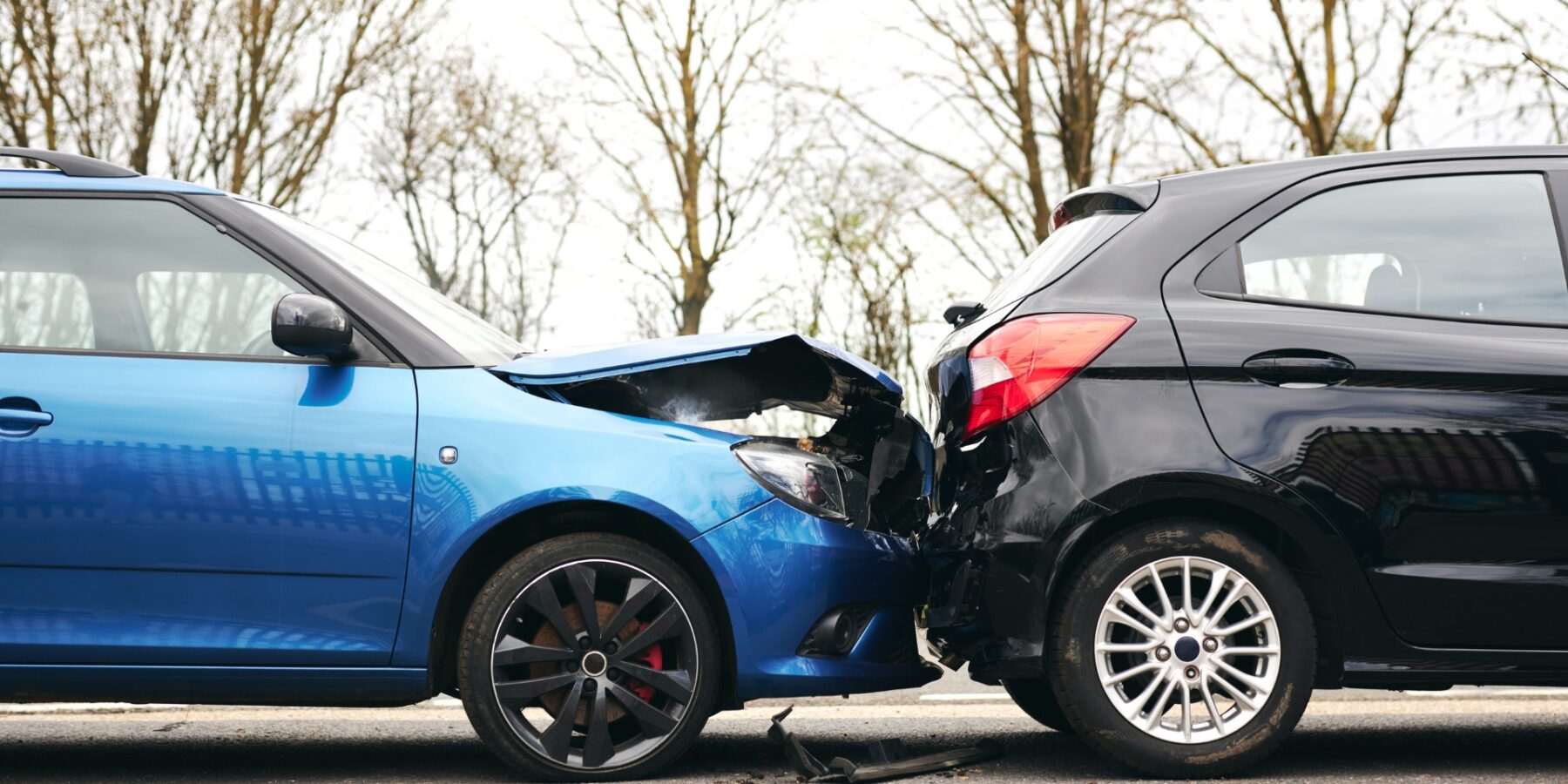
Oregon Car Accident Attorneys
Oregon Car Accident Attorneys help injured drivers, passengers, pedestrians, and families deal with the legal and insurance problems that follow a serious crash. After a collision, you may have medical bills, missed work, vehicle damage, and an insurance adjuster asking for a statement before you fully understand your injuries. Goldberg & Loren helps injured people across Oregon protect their claims and pursue compensation after car accidents.
A crash can happen in seconds on I-5 in Portland, Highway 26 near Hillsboro, I-84 near Gresham, or a busy surface street in Salem, Eugene, Bend, Medford, or Beaverton. The aftermath takes longer. You need to report the accident when required, get medical care, document your losses, and avoid mistakes that insurance companies may use against you later.
If you were hurt in an Oregon car accident, call Goldberg & Loren at (971) 803-4962 for a free consultation. You pay nothing unless we win your case.
Why You Should Call Our Car Accident Attorneys in Oregon
You should call Oregon car accident attorneys early when injuries, fault disputes, insurance delays, or medical bills are involved. The first few days after a crash can shape the entire claim. Insurance companies may ask for recorded statements, request medical authorizations, or push quick settlement offers before you know the full cost of the accident.
Goldberg & Loren helps injured Oregonians avoid those early traps. Our attorneys can step in, deal with the insurance company, review the crash facts, and explain what your claim may involve. That support matters when you are trying to recover while also handling repairs, doctor visits, missed work, and calls from adjusters.
How an Oregon Car Accident Lawyer Protects Your Claim Early
An Oregon car accident lawyer protects your claim by helping you preserve evidence before it disappears. Skid marks fade. Vehicles get repaired. Witnesses forget details. Camera footage from nearby businesses, intersections, or homes may be deleted within days or weeks.
Goldberg & Loren can move quickly to identify the evidence that may support your claim. That can include photos, police reports, Oregon DMV crash reports, medical records, repair estimates, witness statements, and insurance documents. The sooner an attorney starts reviewing those details, the harder it becomes for the insurance company to rewrite the facts.
Early legal help also protects you from saying something that hurts your case. An adjuster may ask friendly questions that sound harmless. Simple answers about speed, pain levels, or what you saw before impact can later become arguments against your claim. A lawyer can tell you what to share, what to avoid, and when the insurance company should speak directly with your legal team.
Why Insurance Companies Move Fast After Oregon Collisions
Insurance companies move fast because early control helps them limit what they pay. They may call while you are still shaken up, before you have seen a doctor, or before you understand whether your neck, back, head, or shoulder pain will get worse. They know injured people often feel pressure to cooperate.
A quick call from an adjuster does not mean the company has your best interests in mind. The adjuster works for the insurance company. Their job is to evaluate risk, reduce exposure, and close claims for the lowest amount the company can justify. That creates a problem when you need money for treatment, lost wages, and long-term recovery.
Goldberg & Loren can handle those conversations for you. Our team can review what the insurer wants, respond to requests, and push back when the company tries to minimize injuries or blame you for the crash. That gives you room to focus on your health instead of fighting a claims department alone.
When You Should Contact an Attorney After a Crash in Oregon
You should contact an attorney as soon as possible after an Oregon crash if anyone suffered injuries, the vehicles had major damage, the other driver disputes fault, or the insurance company has already contacted you. You should also call if the crash involved a drunk driver, commercial vehicle, uninsured driver, hit-and-run driver, rideshare vehicle, or fatal injury.
Some people wait because they hope the claim will stay simple. That can work for minor property damage claims with no injuries. It rarely works well when medical treatment, missed income, or fault disputes enter the picture. Once the insurance company starts building its file, you need someone building yours.
Goldberg & Loren offers free consultations, so you can ask questions before deciding what to do next. You do not need to know every legal rule before you call. You only need to explain what happened, where the crash occurred, what injuries you have, and what the insurance company has done so far.
What Oregon Car Accident Lawyers Do for Injured Drivers and Passengers
Oregon car accident lawyers help injured drivers and passengers build claims that insurance companies must take seriously. A strong claim needs more than a painful injury and a damaged vehicle. It needs proof of fault, proof of injury, proof of financial loss, and a clear explanation of how the crash changed your life.
Goldberg & Loren helps organize those moving parts. Our team reviews the crash, gathers evidence, communicates with insurance companies, and works to document the full value of your losses. That work can matter even more when the insurance company questions your injuries, blames you for the wreck, or pressures you to settle before you finish treatment.
How Goldberg & Loren Investigates Oregon Car Accident Claims
Goldberg & Loren investigates Oregon car accident claims by looking at what happened before, during, and after the crash. The goal is to connect the evidence to the injuries and losses you suffered. That means we do not rely on one document or one version of events.
A crash investigation may involve police reports, DMV reports, photographs, traffic camera footage, vehicle damage, medical records, witness statements, insurance policies, and information from the crash scene. Each piece can answer a different question. Who had the right of way? How hard was the impact? Did the other driver follow too closely? Did the insurance company ignore facts that support your claim?
Reviewing Police Reports and Oregon DMV Crash Reports
Police reports and Oregon DMV crash reports can provide important details about a collision. These records may include driver information, insurance details, crash location, visible damage, injuries, citations, witness names, and the officer’s observations. They can help establish the basic facts of the crash.
Goldberg & Loren review these records for accuracy and missing information. A report may contain errors, incomplete statements, or assumptions that need correction. If the report does not tell the full story, our team can look for additional evidence that supports your version of events.
These reports also help attorneys understand whether the crash triggered Oregon reporting duties. When injuries, death, towing, or certain property damage levels are involved, reporting rules may apply. Keeping those records organized can protect your claim and reduce confusion later.
Gathering Photos, Videos, and Witness Statements
Photos, videos, and witness statements can make a car accident claim stronger. Vehicle damage photos can show the force and direction of impact. Scene photos can show skid marks, traffic signals, weather, debris, lane markings, and road design. Video footage can show what happened before drivers started blaming each other.
Goldberg & Loren can help identify possible sources of visual evidence. That may include dash cameras, nearby businesses, traffic cameras, doorbell cameras, or witnesses who recorded the scene on their phones. Fast action matters because some footage gets overwritten quickly.
Witness statements can also help when fault is disputed. A neutral witness may confirm that the other driver ran a red light, followed too closely, changed lanes without looking, or appeared impaired. That type of evidence can make it harder for an insurance company to deny responsibility.
Working With Doctors to Document Crash Injuries
Medical records are one of the most important parts of an Oregon car accident claim. They show what injuries you suffered, when symptoms appeared, what treatment you needed, and whether your condition may affect your future. Without medical documentation, the insurance company may argue that your injuries are minor or unrelated to the crash.
Goldberg & Loren encourages injured clients to follow their treatment plans and keep records of every appointment. This includes emergency room visits, primary care visits, physical therapy, chiropractic care, imaging studies, specialist appointments, prescriptions, and follow-up care. Gaps in treatment can create problems because insurers often use them to question injury severity.
Your records should also explain how the injury affects your daily life. Pain that keeps you from working, sleeping, driving, lifting your child, exercising, or doing household tasks can matter in a claim. Medical documentation helps show those limits in a way the insurance company can review.
How Attorneys Deal With Insurance Adjusters After a Crash
Attorneys deal with insurance adjusters by controlling communication and protecting the injured person from pressure. After a crash, adjusters may ask for recorded statements, broad medical authorizations, quick releases, or settlement discussions before you know the full scope of your injuries. Those requests can create risk.
Goldberg & Loren can speak with the insurance company on your behalf. Our attorneys can respond to claim requests, provide necessary documentation, and push back when an adjuster asks for information that goes beyond what they need. This keeps the claim focused on the crash, your injuries, and your losses.
Insurance communication should be clear, careful, and documented. A rushed phone call can cause problems later. Written communication creates a record of what the insurer requested, what was provided, and whether the company delayed or denied the claim without a fair reason.
Why Legal Help Matters When Fault or Injuries Are Disputed
Legal help matters when the insurance company disputes fault or questions your injuries. These disputes can happen even when the crash seems obvious. The other driver may change their story. A police report may miss details. The insurance company may claim your pain came from an old injury instead of the crash.
Goldberg & Loren can review the evidence and build a response to those arguments. If the insurer claims you were partly at fault, our team can look at traffic laws, witness statements, vehicle positions, road conditions, and crash photos. If the insurer questions your injuries, we can use medical records and treatment history to explain what the crash caused.
Disputed claims require patience and pressure. Insurance companies often count on injured people getting tired, confused, or desperate. An attorney can keep the claim moving and help you avoid accepting less than the case may be worth.
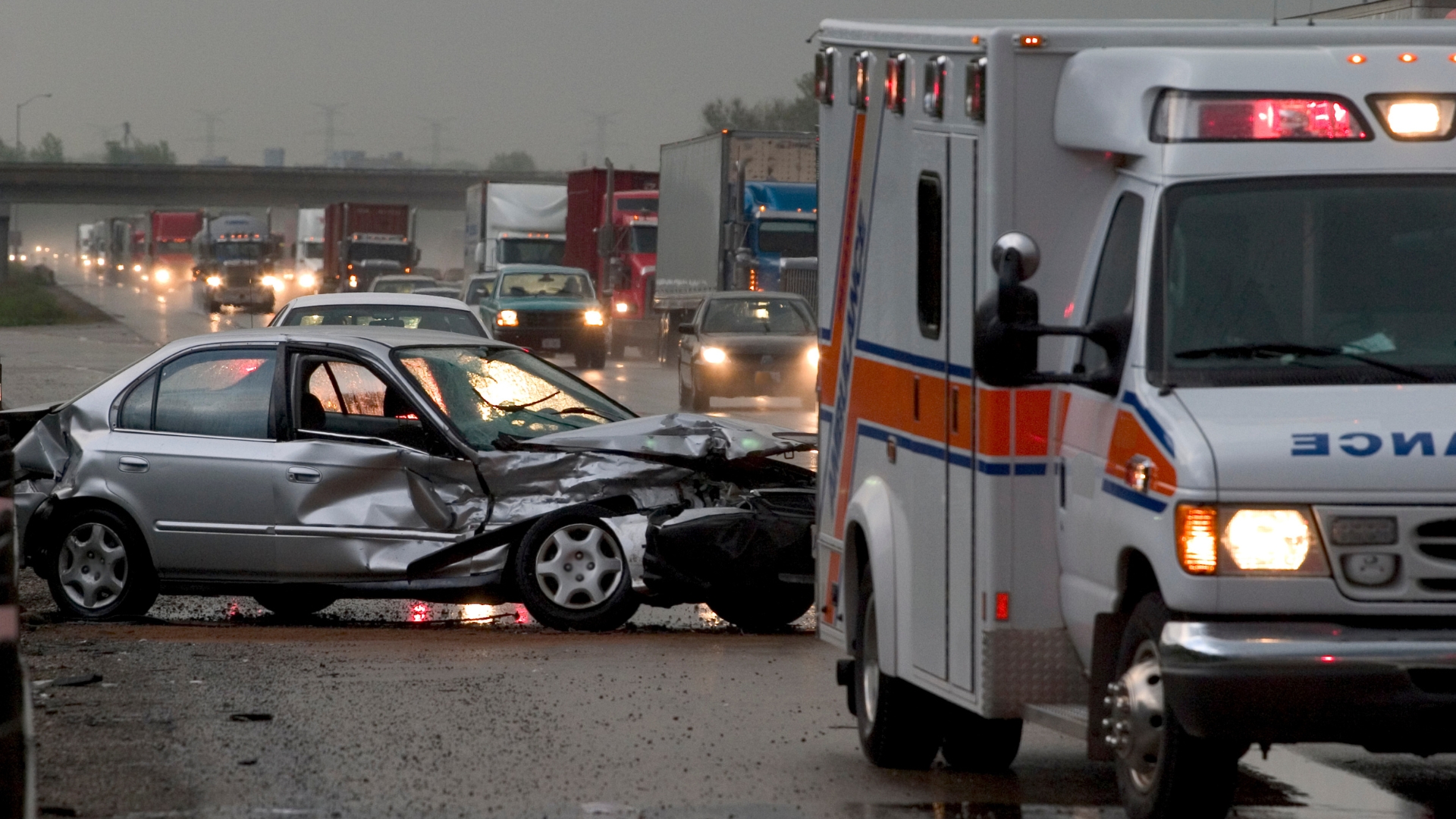
What You Should Do After a Car Accident in Oregon
What you do after a car accident in Oregon can affect your health, your insurance claim, and your ability to pursue compensation. You should get medical help, report the crash when Oregon law requires it, save evidence, avoid careless statements, and speak with an attorney before you accept a settlement.
Goldberg & Loren helps injured people understand these steps before small mistakes turn into bigger claim problems. You do not need to handle everything perfectly at the scene. You do need to take the crash seriously, protect your records, and avoid giving the insurance company easy ways to question your case.
When You Need to Report an Oregon Car Accident to the DMV
Oregon requires drivers to report certain crashes to the DMV. This rule often applies when a crash causes injury, death, towing, or property damage over the required amount. Many people think a police report covers everything, but Oregon DMV reporting rules can still apply even if an officer responds to the scene.
Goldberg & Loren can help you understand whether reporting requirements may affect your claim. These reports help document the crash and preserve basic information about the drivers, vehicles, insurance coverage, and injuries. Missing a required report can create avoidable stress during an already difficult time.
Oregon Crash Reports After Injuries or Death
You should take reporting seriously when an Oregon crash causes injury or death. Injury crashes often involve medical treatment, insurance disputes, lost income, and questions about fault. A formal report can help create a record of the collision and the people involved.
Goldberg & Loren reviews crash reports when evaluating injury claims. These reports can identify drivers, vehicle owners, insurance companies, witnesses, and crash details. They may also help confirm when and where the crash happened.
A report does not prove every part of your case by itself. It should support a larger evidence file that includes medical records, photographs, witness statements, repair estimates, and insurance documents. That larger file helps show what the crash actually caused.
Oregon Collision Reports After Towing or Vehicle Damage
A crash may need to be reported even when no one leaves the scene in an ambulance. Serious vehicle damage, towing, or property damage can trigger Oregon reporting duties. These reports matter because major damage can support the severity of the collision.
Goldberg & Loren looks at vehicle damage when reviewing Oregon car accident claims. A crushed bumper, bent frame, deployed airbag, or totaled vehicle can help explain why an injured person developed neck pain, back pain, headaches, or other symptoms. Damage photos and repair estimates can also help push back against insurance arguments that the crash was minor.
You should save every repair document, tow bill, rental car receipt, and photo of the vehicles. These records can help connect the crash to your financial losses. They can also help your attorney understand how the impact happened.
Why a Police Report Does Not Replace Your DMV Report
A police report and a DMV crash report serve different purposes. A police report documents the responding officer’s observations, statements, citations, and scene details. A DMV report satisfies the driver’s reporting duty when Oregon rules require one.
Goldberg & Loren can review both types of records when they exist. If the police report has mistakes, your attorney can look for other evidence that corrects the record. If the DMV report is missing, your attorney can help you understand what steps may still be available.
Do not assume the officer or another driver handled every reporting requirement. After a crash, you should confirm what you need to file and keep copies of everything. Good records reduce confusion later.
Why Medical Care Matters After an Oregon Auto Accident
Medical care matters because your health comes first, and your records help prove your injury claim. Some crash injuries appear right away. Others develop over hours or days, especially neck injuries, back injuries, concussions, shoulder injuries, and soft tissue damage.
Goldberg & Loren often sees insurance companies attack delayed treatment. They may argue that you were not badly hurt, that something else caused your pain, or that you made your condition worse by waiting. Seeing a doctor helps document your symptoms and gives you a treatment plan.
You should tell your medical provider how the crash happened and describe every symptom. Do not downplay pain because you hope it will pass. Accurate records help your doctors treat you and help your attorney connect your injuries to the collision.
What Evidence You Should Save Before It Disappears
You should save evidence as soon as you can after an Oregon car accident. Evidence can disappear quickly. Vehicles get repaired, debris gets cleared, surveillance footage gets erased, and witnesses become harder to contact.
Goldberg & Loren can help identify what evidence matters for your claim. Useful records may include crash scene photos, vehicle damage photos, medical bills, discharge papers, prescriptions, missed work records, insurance letters, repair estimates, tow receipts, and messages from the insurance company. You should also write down what you remember while the details are fresh.
Small details can matter later. Weather, traffic lights, lane positions, speed, construction zones, and road conditions can all affect fault. If you remember something specific, save it in writing and share it with your attorney.
What You Should Avoid Saying to Insurance Companies
You should avoid giving recorded statements, admitting fault, guessing about injuries, or accepting blame when talking to insurance companies. You should also avoid saying you are fine if you have pain or have not seen a doctor yet. Insurance companies may use those statements later.
Goldberg & Loren can handle insurance communication for you. This helps prevent rushed conversations where an adjuster asks confusing questions or gets you to speculate. You can cooperate with the claim process without giving the insurer unnecessary ammunition.
Keep your statements simple until you get legal advice. You can confirm basic facts, such as your name, contact information, and claim number. Before you discuss fault, injuries, treatment, or settlement, speak with an Oregon car accident attorney who can protect your claim.
Common Causes of Car Accidents in Oregon Injury Claims
Car accidents in Oregon often happen because one driver makes a dangerous choice at the wrong moment. A driver looks down at a phone, follows too closely in traffic, runs a red light, or gets behind the wheel after drinking. That single decision can leave another person with medical bills, missed work, and months of pain.
Goldberg & Loren investigates the cause of the crash because fault drives the injury claim. Insurance companies do not pay fairly just because you were hurt. They want evidence that shows what the other driver did wrong, how that conduct caused the collision, and how the collision caused your injuries.
Distracted Driving Accidents on Oregon Roads
Distracted driving causes serious crashes across Oregon because drivers need only a few seconds of inattention to miss stopped traffic, a changing light, or a pedestrian in a crosswalk. Phones create many distractions, but they are not the only problem. Drivers also lose focus when they adjust navigation, eat behind the wheel, reach for items, or talk to passengers.
Goldberg & Loren looks for signs of distraction when reviewing an Oregon car accident claim. That may include witness statements, phone records when available, dash camera footage, police observations, and the driver’s own statements after the crash. Rear-end crashes, lane drift collisions, and delayed braking can all raise questions about whether the driver paid attention.
A distracted driving claim needs more than suspicion. Your attorney must connect the evidence to the crash. If the other driver denies using a phone, photos, video, vehicle data, and witness accounts may help show what really happened.
Speeding Crashes on I-5, I-84, and Highway 26
Speeding makes Oregon crashes more dangerous because it reduces reaction time and increases impact force. A speeding driver has less time to stop when traffic slows near I-5, I-84, Highway 26, or busy city streets in Portland, Salem, Eugene, and Gresham. When a speeding vehicle hits another car, the injuries can be severe.
Goldberg & Loren reviews crash damage, skid marks, road conditions, witness statements, and traffic citations when speeding may have caused a collision. These details can help show whether the other driver had enough time to stop, slow down, or avoid impact. They can also help explain why the crash caused serious injuries.
Speeding can also affect settlement negotiations. Insurance companies may try to minimize the crash by calling it a simple rear-end accident or minor collision. Evidence of excess speed can help show why the crash caused lasting pain, missed work, or major medical treatment.
Drunk Driving and Drugged Driving Collisions in Oregon
Drunk driving and drugged driving crashes often involve reckless choices that put everyone nearby at risk. Impaired drivers may drift between lanes, run red lights, drive the wrong way, speed, or fail to brake before impact. These crashes can cause catastrophic injuries, especially when they happen at night or on higher-speed roads.
Goldberg & Loren reviews police reports, citations, toxicology evidence when available, witness statements, and crash scene details in impaired driving cases. A criminal case against the impaired driver can provide useful information, but your injury claim remains separate. You may still need to pursue compensation through insurance or a civil claim.
Impaired driving cases can also involve complicated insurance issues. The driver may have low policy limits, no insurance, or a history of unsafe conduct. An Oregon car accident attorney can review all available coverage and look for every potential source of compensation.
Rear-End Crashes in Portland, Salem, and Eugene Traffic
Rear-end crashes are common in Oregon traffic, especially near congested corridors, traffic lights, freeway ramps, and stop-and-go commutes. These crashes often happen when a driver follows too closely, speeds, looks away from the road, or fails to adjust for weather. Even at lower speeds, a rear-end collision can cause neck, back, shoulder, and head injuries.
Goldberg & Loren does not treat rear-end crashes as automatic or simple claims. The insurance company may argue that your injuries are minor, your pain came from a prior condition, or the vehicle damage does not support your symptoms. Those arguments can reduce the settlement offer unless your evidence clearly explains the injury.
A strong rear-end accident claim uses medical records, vehicle photos, repair estimates, treatment notes, and evidence of daily limitations. If you missed work, needed physical therapy, or could not perform basic tasks after the crash, those details should become part of the claim.
Intersection Accidents Caused by Red Light and Stop Sign Violations
Intersection accidents can cause severe injuries because vehicles often collide at angles that leave drivers and passengers with less protection. These crashes happen when drivers run red lights, roll through stop signs, fail to yield, turn left without enough space, or misjudge cross traffic. Busy intersections in Oregon cities can become dangerous when drivers rush or ignore traffic control devices.
Goldberg & Loren investigates intersection crashes by reviewing traffic signals, road markings, witness statements, camera footage, police reports, and vehicle damage patterns. The point of impact can help show which driver entered the intersection first and which direction each vehicle traveled. That evidence matters when both drivers blame each other.
Insurance companies often fight intersection claims because fault can be disputed. One driver may say the light was green while another says it was red. An attorney can help gather the proof needed to support your version of events before witnesses become hard to reach or video footage disappears.
Common Injuries Oregon Car Accident Attorneys See After Serious Crashes
Car accident injuries can affect your body, your job, your sleep, and your daily routine. Some injuries appear at the scene. Others become worse after the adrenaline fades. This is why you should get medical care even when you think you can push through the pain.
Goldberg & Loren helps injured people document the full impact of Oregon crash injuries. Medical records, treatment plans, imaging results, work restrictions, and daily pain notes can all help show what the accident caused. The stronger your injury documentation is, the harder it becomes for the insurance company to dismiss your pain as minor.
Whiplash and Soft Tissue Injuries After Oregon Rear-End Accidents
Whiplash happens when a crash forces the head and neck to move violently. Rear-end crashes often cause this injury, but side impact and multi-vehicle crashes can also strain the neck, shoulders, and upper back. Symptoms may include stiffness, headaches, reduced range of motion, muscle spasms, and pain that spreads into the arms.
Goldberg & Loren understands why insurance companies often fight soft tissue injury claims. They may argue that the injury does not show clearly on an X-ray or that the crash was too minor to cause lasting pain. Those arguments ignore how disruptive neck and back pain can become for someone who drives for work, lifts children, sleeps poorly, or sits at a desk all day.
Medical treatment matters in these claims. Physical therapy records, doctor notes, pain management referrals, and work restrictions can help show the injury’s effect over time. You should also tell your doctor when symptoms interfere with driving, sleeping, working, or basic household tasks.
Concussions and Traumatic Brain Injuries After Oregon Collisions
A concussion can happen when your head hits the steering wheel, window, headrest, airbag, or another part of the vehicle. It can also happen when the force of the crash causes the brain to move inside the skull. You do not need to lose consciousness to have a concussion.
Goldberg & Loren takes head injury symptoms seriously because they can change how you think, work, sleep, and communicate. Common symptoms include headaches, dizziness, nausea, memory problems, light sensitivity, mood changes, fatigue, and trouble focusing. These symptoms may seem small at first, but then start affecting your job and relationships.
Insurance companies may downplay a concussion when scans look normal or when the injured person tries to keep working. That does not mean the injury is harmless. A clear treatment record, specialist evaluation, and detailed symptom history can help connect the brain injury to the crash and explain how it affects daily life.
Back Neck and Spinal Cord Injuries After Oregon Auto Accidents
Back, neck, and spinal injuries can cause pain that lasts long after the vehicles leave the scene. A crash can damage muscles, ligaments, discs, nerves, and joints. Some people develop radiating pain, numbness, tingling, weakness, or limited movement after the collision.
Goldberg & Loren reviews medical records closely in these cases because spinal injuries often need strong documentation. Emergency room records may show the first complaints. Follow-up visits may reveal symptoms that have worsened over time. Imaging studies may show disc injuries, nerve compression, or other conditions that need treatment.
These injuries can affect every part of daily life. A person may struggle to sit, stand, walk, bend, lift, sleep, or return to work. When a back or neck injury changes your routine, your claim should explain those limits clearly instead of focusing only on the first medical bill.
Broken Bones and Orthopedic Injuries After High Impact Crashes
Broken bones often happen in high-impact Oregon crashes, rollovers, intersection collisions, and crashes involving larger vehicles. Drivers and passengers may suffer fractures in the arms, wrists, ribs, hips, legs, ankles, or face. Some fractures heal with casting and rest, while others require surgery, hardware, or long physical therapy.
Goldberg & Loren helps injured people pursue compensation for the full cost of orthopedic injuries. A broken bone can create emergency room bills, surgery costs, follow-up care, medical equipment, missed work, and long recovery periods. It can also leave lasting pain or reduced mobility.
Orthopedic injuries often affect independence. A broken wrist can make it hard to type, cook, dress, or care for a child. A broken leg can keep someone from driving or working. These details matter because the insurance company needs to see more than the diagnosis. It needs to see how the injury changed your life.
Fatal Car Accidents and Wrongful Death Claims in Oregon
Fatal car accidents leave families with grief, unanswered questions, and sudden financial pressure. A wrongful death claim may arise when another driver’s careless or reckless conduct causes a loved one’s death. These cases can involve drunk driving, speeding, distracted driving, unsafe turns, commercial vehicles, or severe highway crashes.
Goldberg & Loren approaches fatal accident cases with care because families need answers as well as legal help. An investigation may examine police reports, crash reconstruction evidence, witness statements, vehicle damage, medical records, and insurance coverage. The goal is to understand what happened and who may be legally responsible.
A wrongful death claim can seek compensation for losses tied to the death, but no legal claim can fully measure what a family has lost. The legal process can still help provide accountability and financial stability during a painful time. Speaking with an Oregon car accident attorney can help families understand their options before insurance companies control the conversation.
What Compensation Can Oregon Car Accident Attorneys Pursue
Oregon car accident attorneys can pursue compensation for the losses the crash caused. Those losses may include medical bills, future treatment, lost income, pain, vehicle damage, and other costs tied to the collision. The value of your claim depends on the facts, the evidence, your injuries, and the available insurance coverage.
Goldberg & Loren looks at the full effect of the crash before demanding compensation from the insurance company. A claim should not stop at the emergency room bill or the first repair estimate. If your injuries affect your work, sleep, mobility, family life, or long-term health, those details need a place in the claim.
Medical Bills and Future Treatment Costs After an Oregon Crash
Medical bills can become one of the largest parts of an Oregon car accident claim. Emergency care, ambulance transport, imaging, surgery, prescriptions, physical therapy, chiropractic care, pain management, and specialist visits can add up quickly. Even one crash can create months of treatment.
Goldberg & Loren reviews medical records and bills to understand what care you needed after the collision. The insurance company may focus on the first bill or try to separate later treatment from the crash. Your attorney can connect the treatment timeline to your symptoms and explain why continued care matters.
Future treatment also matters when an injury has not fully healed. Some people need injections, surgery, therapy, medical equipment, or follow-up care after settlement discussions begin. If you settle too early, you may give up the right to seek more money later.
Lost Wages and Reduced Earning Capacity After Collision Injuries
Lost wages can become part of your Oregon car accident claim when your injuries keep you from working. You may miss a few days for doctor visits. You may miss weeks after surgery. You may also lose overtime, bonuses, tips, commissions, or job opportunities because of the crash.
Goldberg & Loren can help document work losses with pay stubs, employer statements, tax records, schedules, and medical restrictions. This proof matters because insurance companies often question wage claims. They may argue you could have worked sooner or that your time off was not medically necessary.
Reduced earning capacity may apply when your injuries affect your ability to earn money in the future. A back injury may keep a warehouse worker from lifting. A brain injury may affect focus for a desk job. A hand injury may limit a mechanic, nurse, hairstylist, or construction worker. Your claim should account for how the crash affects your ability to support yourself.
Pain, Suffering, and Life Disruption After a Serious Car Accident
Pain and suffering compensation addresses the human cost of the crash. This can include physical pain, anxiety, sleep problems, stress, loss of independence, and reduced ability to enjoy your normal routine. These losses do not always come with receipts, but they can still matter in a serious injury claim.
Goldberg & Loren helps explain those losses in concrete terms. It is not enough to say you are in pain. Your claim should show how the injury affects your day. Maybe you cannot pick up your child, sit through work, drive without fear, sleep through the night, or walk your dog without pain.
Daily details help tell the truth about your injury. A pain journal, medical notes, therapy records, and statements from people close to you can help show what changed after the crash. Insurance companies may prefer numbers on a bill, but your life is more than a spreadsheet.
Vehicle Damage Rental Costs and Out-of-Pocket Losses
Vehicle damage can create immediate pressure after an Oregon car accident. You may need repairs, towing, storage, a rental car, or a replacement vehicle. If you rely on your car for work, school, medical appointments, or childcare, even a short delay can disrupt your life.
Goldberg & Loren can help you understand how property damage and injury claims fit together. The vehicle claim may involve repair estimates, total loss valuation, rental reimbursement, tow bills, and storage fees. The injury claim may involve medical care, lost income, and pain.
You should save every receipt tied to the crash. That includes rideshare costs, rental fees, prescriptions, medical equipment, parking for appointments, and travel to treatment. Small costs can add up, and clear records make them easier to pursue.
Wrongful Death Damages After a Fatal Oregon Car Accident
A fatal Oregon car accident can leave a family facing grief, funeral costs, lost income, and sudden uncertainty. When another driver causes a deadly crash, a wrongful death claim may help surviving family members pursue compensation. These claims require careful investigation and steady guidance.
Goldberg & Loren handles fatal accident cases with respect for what the family is facing. The legal claim may involve police reports, crash evidence, medical records, funeral expenses, lost financial support, and the loss of care and companionship. Each case depends on the relationship, the facts, and Oregon law.
No settlement can replace a person’s life. A wrongful death claim can still help a family seek accountability and financial support after a preventable crash. If your family lost someone in an Oregon collision, speaking with an attorney can help you understand what steps come next.

Call Goldberg & Loren for a Free Oregon Car Accident Consultation
If you were injured in an Oregon car accident, you do not need to fight the insurance company alone. Goldberg & Loren can review what happened, explain your options, and help you understand whether you may have a claim for compensation. The sooner you speak with Oregon Car Accident Attorneys, the sooner you can protect evidence, avoid insurance mistakes, and get clear direction.
Our team helps injured drivers, passengers, and families across Oregon after serious crashes. We handle car accident claims involving distracted drivers, drunk drivers, rear-end collisions, intersection crashes, hit-and-run accidents, uninsured drivers, underinsured drivers, rideshare vehicles, and fatal collisions. You bring the facts. We bring the legal work, claim strategy, and pressure that insurance companies often need before they take an injury claim seriously.
Goldberg & Loren offers free consultations. You pay nothing unless we win your case. Call (971) 803-4962 now to speak with an Oregon car accident attorney about your crash and your next steps.
Practice Areas
Trust Us With Your Personal Injury Claim
If you or a loved one have been injured, Goldberg & Loren will fight for you every step of the way. We will give our all to secure the compensation you rightfully deserve.



Contact usfor a free consultation.
Phone: (971) 803-4962