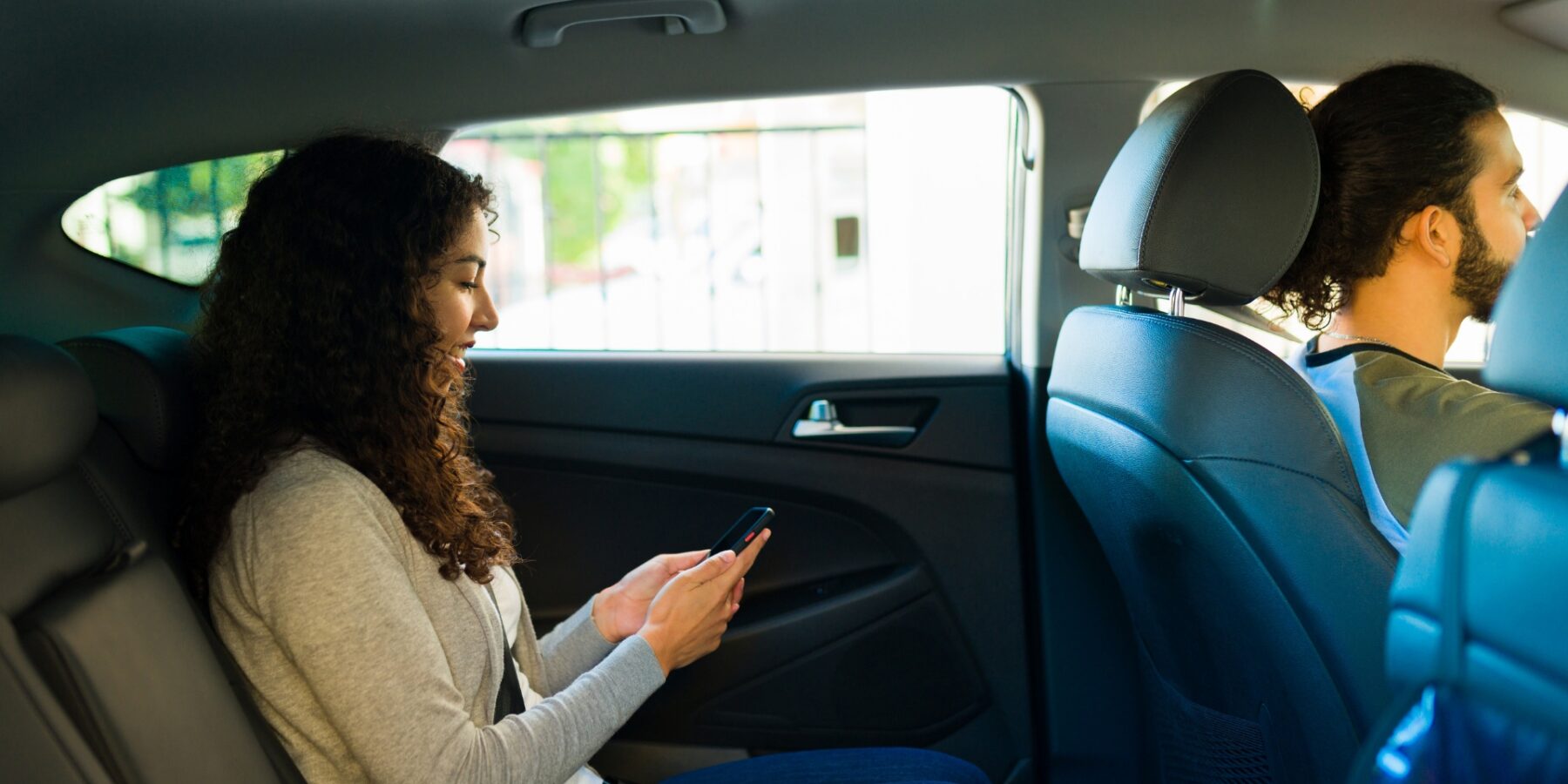
Oregon Rideshare Accident Attorneys
An Uber or Lyft crash can leave you stuck between drivers, insurance companies, app records, medical bills, and missed work. You may know you were hurt, but you may not know who should pay. Oregon rideshare accident attorneys help sort out liability, identify available insurance, and protect your claim before adjusters start pushing for quick answers.
Goldberg & Loren helps injured rideshare passengers, drivers, pedestrians, bicyclists, and motorists after Uber and Lyft accidents across Oregon. These cases often involve more than one insurance policy, and the driver’s app status can affect what coverage applies. That means you need clear legal guidance before giving recorded statements, accepting payment, or assuming the rideshare company will handle everything fairly.
If you were injured in an Uber or Lyft accident in Oregon, call Goldberg & Loren at (971) 803-4962 for a free consultation. You pay nothing unless we win your case.
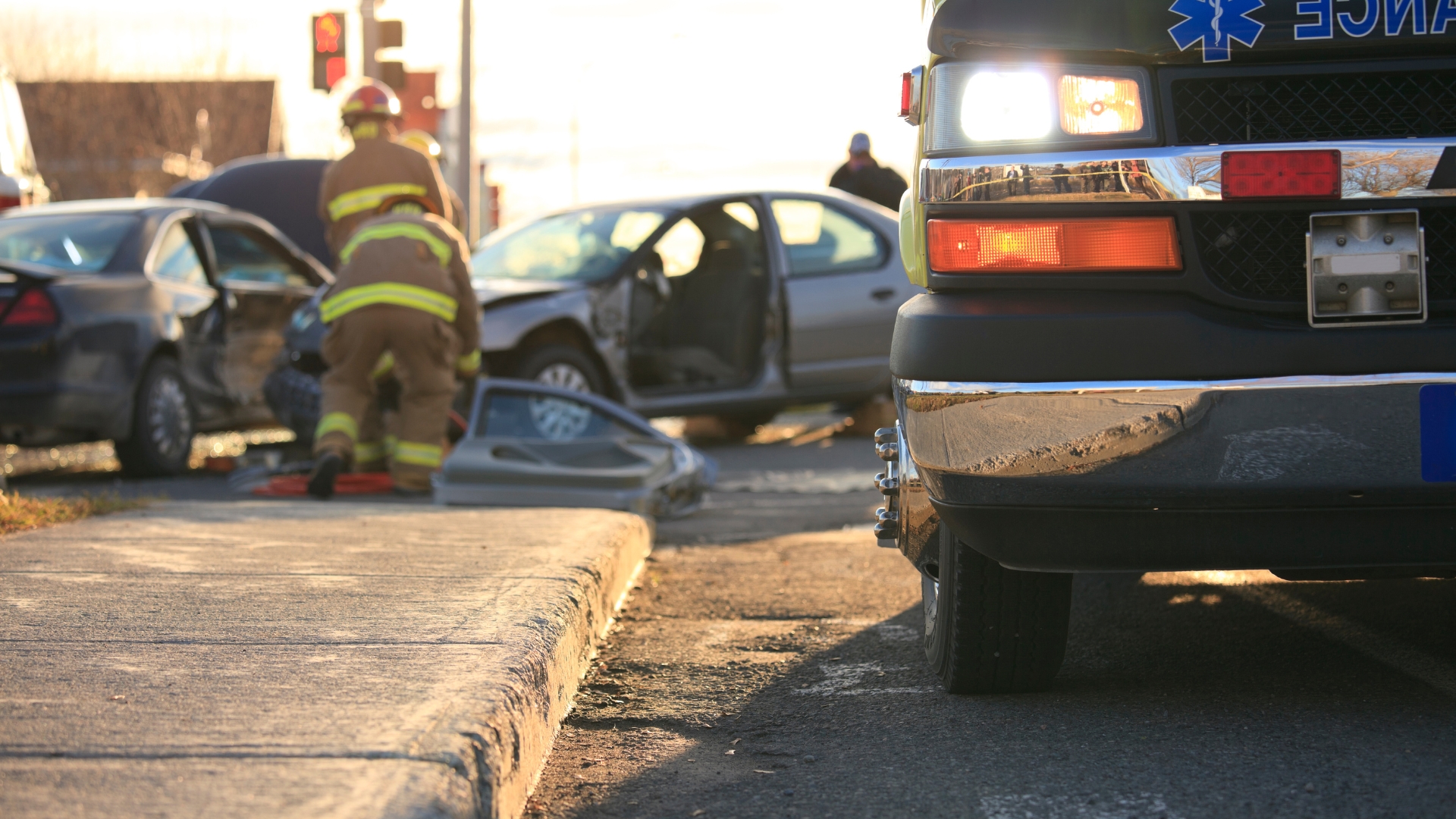
Oregon Rideshare Accident Lawyers for Uber and Lyft Injury Claims
A rideshare crash can feel simple at first. You were in an Uber, a Lyft, or another vehicle when the collision happened. Then the insurance questions start. The rideshare driver may have a personal policy. Uber or Lyft may have separate coverage. Another driver may share fault. One insurance company may point at the other and hope you get tired.
Goldberg & Loren helps injured people cut through that confusion. Our Oregon rideshare accident lawyers look at how the crash happened, who caused it, what insurance applies, and how your injuries affect your life. The goal is direct. We work to protect your claim while you focus on medical care, recovery, and getting your life back in order.
Why Rideshare Accident Claims in Oregon Are Different From Regular Car Accident Cases
A regular car accident claim usually starts with the at-fault driver’s insurance company. A rideshare accident can involve several layers of coverage. The driver’s app status matters because insurance may change depending on whether the driver was offline, waiting for a ride request, going to pick up a passenger, or carrying a passenger.
That detail can create problems fast. A personal auto insurer may deny coverage because the driver used the car for paid rideshare work. Uber or Lyft may argue that a different policy applies based on the trip stage. Goldberg & Loren investigates those details early so insurers cannot use confusion as a weapon against your claim.
Rideshare cases also create evidence issues that do not exist in every ordinary crash. App records, trip receipts, GPS data, driver profiles, ride confirmations, and electronic timestamps can help show what happened. If you wait too long, some of that information may become harder to collect.
How Goldberg & Loren Helps Injured Rideshare Passengers and Drivers
Goldberg & Loren helps rideshare accident victims understand what to do next. You may need medical treatment, vehicle repairs, income replacement, and help dealing with insurance calls. You should not have to figure out multiple insurance policies while dealing with pain, stress, and missed work.
Our attorneys look at the crash from every practical angle. We review the accident report, medical records, insurance information, rideshare app details, photos, witness statements, and the driver’s status at the time of the collision. That work helps us identify the parties who may owe compensation.
We also handle communication with insurance companies. That matters because adjusters often ask questions that sound harmless but can damage your claim. Goldberg & Loren steps in to protect your statement, document your damages, and push back when insurers try to minimize your injuries.
What Makes Uber and Lyft Crash Claims Harder for Injured People
Uber and Lyft accident claims are harder because the injured person often does not know which company to call first. If you were a passenger, you may have the rideshare driver’s information, but you may not know whether their personal insurer or a rideshare policy applies. If an Uber or Lyft driver hit your vehicle, you may not even know the driver was logged into the app until later.
These claims also involve companies that have built their systems around speed and scale. The app makes the ride feel simple, but the insurance process can feel anything but simple after a crash. You may get bounced between adjusters, asked for repeated documentation, or pressured to settle before you know the full extent of your injuries.
Goldberg & Loren understands how these disputes develop. We focus on the facts that matter most, including fault, app status, insurance coverage, injury severity, medical treatment, and long-term losses. That approach gives your claim structure before the insurance companies try to control the story.
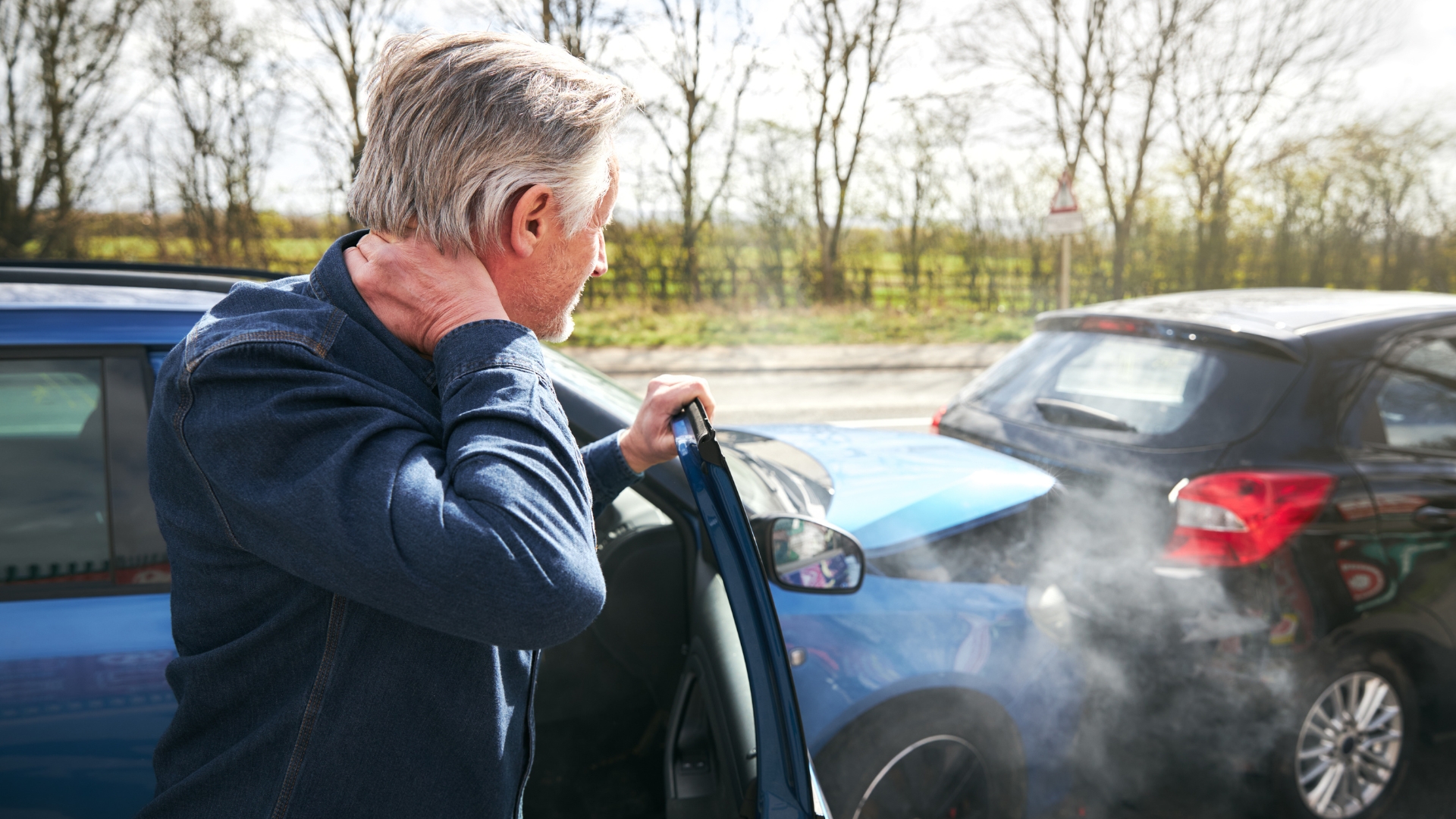
What Should You Do After an Uber or Lyft Accident in Oregon
The steps you take after a rideshare accident can affect your health, your insurance claim, and your ability to recover compensation. You do not need to know every legal rule right away. You need to protect yourself, get medical care, and save the proof that shows you were part of an Uber or Lyft trip when the crash happened.
Goldberg & Loren helps injured rideshare accident victims take control after a confusing crash. Insurance companies often move quickly after a collision. They may ask for statements, request medical authorizations, or offer early payments before you know how serious your injuries are. Taking the right steps early can protect your claim from common insurance company tactics.
Get Medical Care and Report the Rideshare Crash Right Away
You should get medical care as soon as possible after an Uber or Lyft accident in Oregon. Some injuries hurt immediately. Others develop over hours or days. Neck pain, back pain, headaches, dizziness, numbness, and abdominal pain can point to injuries that need prompt attention.
Medical records also connect your injuries to the crash. If you wait too long, the insurance company may argue that something else caused your pain. Goldberg & Loren uses medical documentation to help show how the rideshare collision affected your health, treatment needs, and daily life.
You should also report the crash through the rideshare app and to law enforcement when the situation requires it. A police report can help document the crash scene, involved drivers, witness names, insurance information, and any citations. The rideshare app report can help confirm that the trip involved Uber or Lyft.
Save Your Uber or Lyft Trip Details Before They Disappear
Your app data can become some of the most useful evidence in an Oregon rideshare accident claim. It may show the driver’s name, pickup point, destination, route, trip time, payment record, and ride status. This information can help determine what insurance coverage may apply.
Do not assume Uber, Lyft, or an insurance company will save everything for your benefit. Take screenshots as soon as you can. Goldberg & Loren can use those records to help investigate coverage, verify trip details, and push back if an insurer disputes whether the driver was working through the app.
Screenshots of the Ride Receipt and Driver Profile
Take screenshots of the ride receipt, driver profile, license plate, trip route, payment confirmation, and any messages inside the app. These records can help confirm that you were a passenger or that the driver was active on the platform. They may also help identify the driver if the crash scene becomes chaotic.
Keep the screenshots in more than one place if possible. Save them to your phone and email them to yourself. If your phone breaks or gets lost after the crash, you do not want your best proof disappearing with it.
Goldberg & Loren may also request trip records during the claim process. Your screenshots can give our team a starting point before formal records become available. Early proof helps us move faster when coverage questions arise.
Photos of the Vehicles and Crash Scene
Take photos of all vehicles involved, visible damage, skid marks, debris, traffic signals, road signs, lane markings, and weather conditions. If you were a passenger, photograph the inside of the rideshare vehicle if it helps show how the impact happened. Seat position, airbags, broken glass, and blood on clothing can help document injury severity.
Photos can matter because vehicles get repaired, moved, or totaled quickly after a crash. The scene may look completely different within minutes. A picture taken at the right time can answer questions that later become disputed.
Goldberg & Loren uses crash scene photos to understand impact points, vehicle movement, road layout, and possible fault. These details can help when an insurance company tries to blame the injured person or downplay the force of the collision.
Names of Witnesses and Insurance Contacts
Get names, phone numbers, email addresses, and insurance information when you can do so safely. Witnesses may include other passengers, nearby drivers, pedestrians, store employees, or people who stopped to help. Even a brief witness statement can help prove what happened.
Do not rely only on the rideshare driver to collect information. The driver may leave, forget details, or refuse to cooperate later. If you can safely gather contact information at the scene, do it before people disperse.
Goldberg & Loren can follow up with witnesses and insurance contacts once you hire our team. That allows you to focus on treatment while we work on the evidence, coverage issues, and claim communication.
Do Not Let the Insurance Company Control Your Oregon Rideshare Injury Claim
Insurance adjusters may sound helpful after a rideshare crash, but their job is to protect the insurance company’s money. They may ask you to describe your injuries before you know the full diagnosis. They may ask questions about fault, speed, seat belts, prior injuries, or your medical history.
You should not guess or minimize your symptoms. Do not say you are fine if you are still in pain. Do not accept a settlement before you understand your medical bills, follow-up care, missed income, and future treatment needs.
Goldberg & Loren handles insurance communication for injured rideshare accident victims across Oregon. We help protect you from quick settlement pressure, confusing coverage disputes, and statements that insurers may use against your claim later.
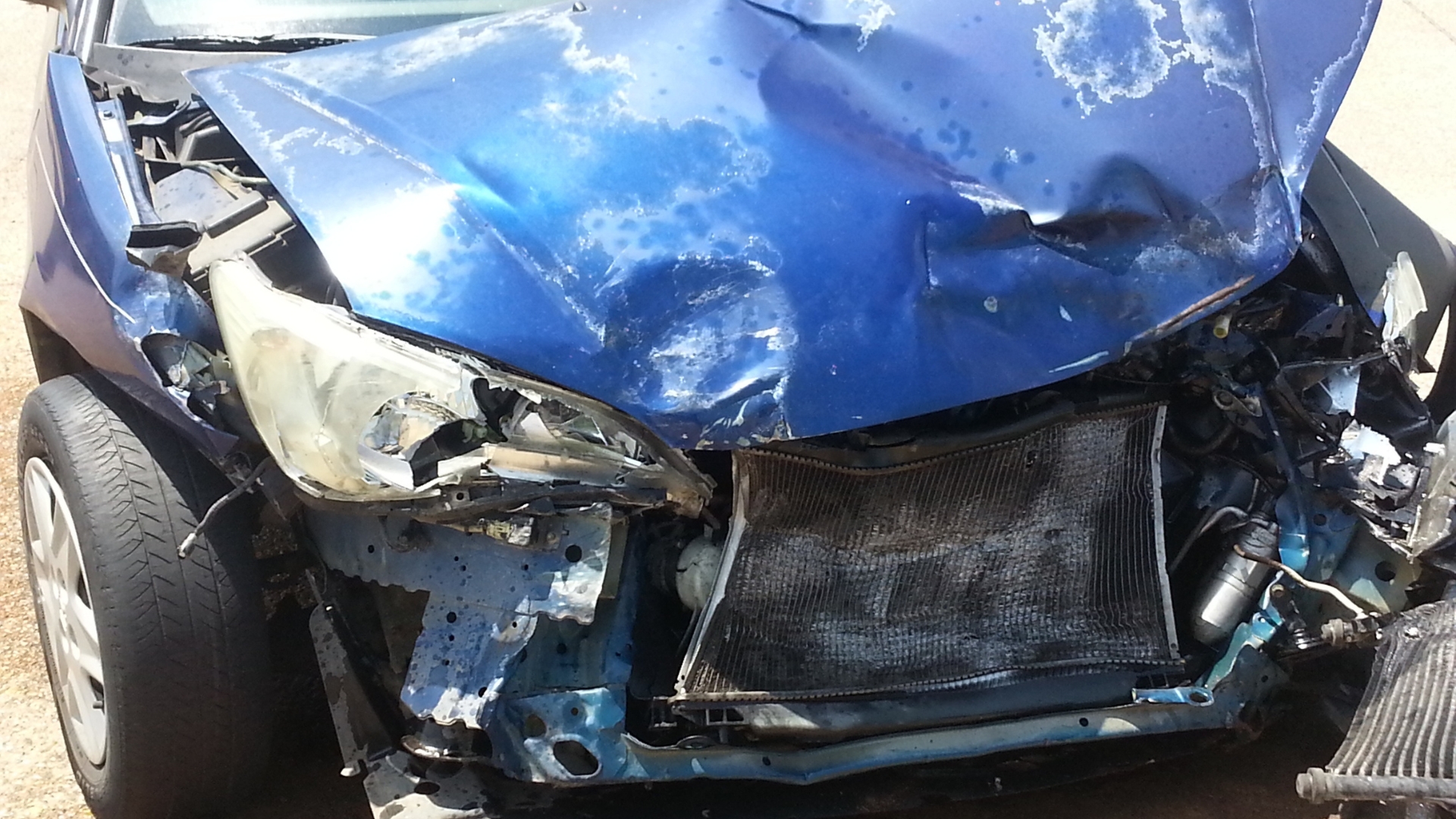
Who Can File an Oregon Rideshare Accident Claim
Several people may have the right to file a rideshare accident claim after an Uber or Lyft crash in Oregon. The claim does not always belong only to the rideshare passenger. A driver in another vehicle, a pedestrian in a crosswalk, a bicyclist near the curb, or even the rideshare driver may have a valid injury claim depending on fault and insurance coverage.
Goldberg & Loren reviews each rideshare accident by looking at who got hurt, who caused the crash, and what insurance coverage may apply. That review matters because rideshare claims can move in different directions based on the driver’s app status, the trip stage, and whether another careless driver contributed to the collision.
Injured Uber and Lyft Passengers in Oregon
Uber and Lyft passengers often have strong injury claims because they usually did not cause the crash. You trusted the driver to get you to your destination safely. When a rideshare driver or another motorist causes a collision, you should not have to absorb the cost of medical care, lost income, and pain from someone else’s poor decisions.
Passenger claims can still become complicated. The rideshare driver may blame another vehicle. Another driver may blame the Uber or Lyft driver. Insurance companies may argue about who should pay first. Goldberg & Loren identifies each available policy and works to keep the claim moving.
A passenger should save trip records, medical bills, photos, and any messages from Uber or Lyft. These details can help prove that the crash happened during an active rideshare trip. They can also help show which insurance company should respond to the claim.
Drivers Hit by an Uber or Lyft Vehicle in Oregon
You may have a claim if an Uber or Lyft driver hits your vehicle. This can happen when a rideshare driver runs a red light, follows too closely, speeds through traffic, makes an unsafe lane change, or looks at the app instead of the road. In these cases, the rideshare driver’s app status can affect the available coverage.
If the driver was offline, their personal auto insurance may apply. If the driver was logged into the app, waiting for a request, heading to pick up a passenger, or carrying a passenger, rideshare coverage may come into play. Goldberg & Loren investigates these facts so the insurance companies cannot dodge responsibility.
You should treat the crash like any serious injury collision. Call for help, report the crash, exchange information, take photos, and get medical care. Then speak with an attorney before giving detailed statements to multiple insurance companies.
Pedestrians Struck by a Rideshare Driver in Oregon
A pedestrian may have a claim if an Uber or Lyft driver caused a crash while turning, speeding, failing to yield, backing up, or looking at the rideshare app. These accidents often happen near crosswalks, hotels, bars, apartment buildings, campuses, airports, and busy pickup areas where rideshare drivers stop often.
Pedestrian injuries can be severe because the person has no seat belt, airbag, or vehicle frame for protection. A low-speed impact can still cause broken bones, head injuries, back injuries, knee injuries, and long recovery periods. Goldberg & Loren takes these claims seriously because insurers often try to blame pedestrians for not moving fast enough or not seeing the vehicle sooner.
The driver’s app status can matter in a pedestrian claim. If the rideshare driver was working through Uber or Lyft at the time of the crash, additional insurance may apply. Our team looks for app records, witness statements, nearby camera footage, and trip data that can help prove what the driver was doing before impact.
Bicyclists Injured by Uber or Lyft Drivers in Oregon
Bicyclists face real danger when rideshare drivers pull over suddenly, open doors into bike lanes, turn without looking, or stop in unsafe areas for pickups and drop-offs. These crashes can cause serious injuries even when the vehicle is not moving fast. A cyclist can suffer head trauma, fractures, road rash, shoulder injuries, and spinal injuries after being thrown to the pavement.
Oregon bicyclist claims can involve fault disputes. The insurance company may argue that the cyclist was outside the bike lane, moved too quickly, or failed to avoid the vehicle. Goldberg & Loren works to gather evidence that tells the full story, including route details, road design, traffic signals, vehicle damage, and medical records.
Rideshare activity can create another layer of proof. If the driver stopped for a pickup, checked the app, or rushed to a passenger location, those facts may support the injury claim. Our attorneys look for those details early so insurers cannot rewrite the crash as a simple bike accident with no rideshare connection.
Rideshare Drivers Hurt While Working in Oregon
Uber and Lyft drivers may also have claims after a crash. A rideshare driver can suffer injuries when another motorist rear-ends them, runs a light, makes an unsafe turn, or hits them while they transport a passenger. The fact that the injured person was working through an app does not erase their right to pursue compensation.
These claims can raise difficult insurance questions. The driver may need to deal with their personal auto insurer, rideshare insurance, another driver’s insurance company, and health insurance. Goldberg & Loren reviews the crash facts and coverage issues so injured rideshare drivers understand their options.
A rideshare driver should save app records, ride requests, accepted trip details, passenger information if available, photos, medical records, and all insurance correspondence. Those documents can help prove the driver’s working status and support the claim for medical bills, lost income, and other damages.
Who May Be Liable for an Oregon Uber or Lyft Accident
Liability in an Oregon rideshare accident depends on who caused the crash and what the rideshare driver was doing at the time. A claim may involve the Uber driver, the Lyft driver, another motorist, a commercial vehicle driver, or more than one insurance company. The answer is not always obvious in the first few days after the collision.
Goldberg & Loren investigates liability before accepting an insurance company’s version of the crash. We look at traffic laws, driver behavior, app activity, trip records, witness statements, vehicle damage, and medical records. That work helps identify every party that may owe compensation after an Oregon Uber or Lyft accident.
When the Uber or Lyft Driver Caused the Crash
An Uber or Lyft driver may be liable when their careless actions caused the collision. Common examples include speeding, texting, unsafe turns, distracted driving, aggressive lane changes, and failure to yield. Rideshare drivers may also cause crashes when they watch the app, accept ride requests, search for passengers, or stop suddenly in traffic.
These cases require proof. The insurance company may claim the rideshare driver did nothing wrong or that another person caused the crash. Goldberg & Loren works to secure the facts before those arguments take over the claim.
Evidence can include police reports, crash photos, witness statements, vehicle damage, medical records, and app details. If the driver was actively using Uber or Lyft at the time, the rideshare company’s insurance structure may affect the claim. Our attorneys review those details and push for the coverage that fits the facts.
When Another Driver Caused the Rideshare Collision
Another driver may cause the crash even when you were riding in an Uber or Lyft vehicle. A careless motorist may rear-end the rideshare car, run a red light, sideswipe the vehicle, or make an unsafe turn. In those cases, the at-fault driver’s insurance may become the main source of compensation.
That does not mean the claim will stay simple. The at-fault driver may deny responsibility. Their insurer may blame the rideshare driver. The rideshare company may tell you to deal with the other driver’s insurance company. Goldberg & Loren helps keep the claim focused on proof instead of finger-pointing.
A passenger should not get stuck between two drivers who blame each other. If you were hurt during a rideshare trip, your job is to get medical care and document your injuries. Our job is to identify the responsible parties, locate available coverage, and pursue the compensation the evidence supports.
When Uber or Lyft Insurance May Apply to the Claim
Uber or Lyft insurance may apply depending on the driver’s app status. This is one of the most important issues in any Oregon rideshare accident claim. A rideshare driver may be offline, logged in and waiting, traveling to a passenger, or actively transporting a passenger.
Each stage can change the insurance picture. The driver’s personal auto policy may apply in one situation. A rideshare policy may apply in another. Multiple policies may need review before anyone can say which insurer should pay.
Goldberg & Loren looks closely at the timeline of the crash. We want to know whether the driver had accepted a ride, whether a passenger was inside the vehicle, and whether the crash happened during pickup or drop-off. These facts can change the value and direction of the claim.
The Driver Was Waiting for a Ride Request
A rideshare driver may be logged into the app while waiting for a request. This can create a coverage dispute because the driver is using the vehicle for rideshare work, but no passenger may be in the car yet. Personal auto insurers often resist these claims because they may exclude paid driving activity.
This stage can matter when an Uber or Lyft driver hits another vehicle, cyclist, or pedestrian while waiting for a ride. The driver may have been parked, circling a pickup zone, checking the app, or moving through traffic while searching for a request. Those facts can help determine which insurance policy applies.
Goldberg & Loren investigates whether the driver was active on the app at the time of the collision. We may use trip records, app screenshots, driver statements, location data, and insurance documents to build that timeline. The sooner we start, the easier it can be to preserve those details.
The Driver Was Going to Pick Up a Passenger
A different coverage stage may apply once the rideshare driver accepts a ride and travels to pick up the passenger. At that point, the driver is actively working through the app. If the driver causes a crash while heading to the pickup location, rideshare insurance may become a major issue.
These crashes can happen when drivers rush to reach passengers, make sudden turns, stop in unsafe places, or watch the navigation screen instead of traffic. The injured person may be another driver, a pedestrian, a bicyclist, or the rideshare driver. Each person may face different claim options.
Goldberg & Loren reviews the pickup timeline and crash facts. We look for signs that the driver accepted a ride before impact. That information can make the difference between a denied personal policy claim and a claim against a policy tied to the rideshare trip.
The Passenger Was Already in the Rideshare Vehicle
Claims often become stronger when the passenger was already inside the Uber or Lyft vehicle. The active trip helps prove that the driver was providing rideshare services at the time of the crash. This can make rideshare insurance coverage more likely to become part of the claim.
Passengers should save every detail that confirms the active ride. The trip receipt, route screenshot, driver profile, pickup location, and destination can all help. Those records may prevent an insurer from disputing whether the crash happened during a covered rideshare trip.
Goldberg & Loren uses this evidence to build a cleaner coverage argument. We also look beyond insurance and examine fault. If the rideshare driver caused the crash, the claim may proceed one way. If another driver caused the collision, we may pursue that driver’s coverage while also reviewing any available rideshare protection.
When Multiple Insurance Companies Dispute Responsibility
Multiple insurers may get involved after an Oregon rideshare accident. One company may insure the rideshare driver’s personal vehicle. Another may provide coverage through Uber or Lyft. A third may insure another driver who caused or contributed to the crash. Each company may try to pay as little as possible.
This is where injured people often get worn down. Adjusters may ask for the same documents again and again. They may deny coverage, delay decisions, or claim another insurer should handle the loss. Goldberg & Loren steps in so you do not have to chase answers while recovering from injuries.
Our attorneys press each insurer for its position, review the coverage documents, and build the claim around evidence. We do not let insurance companies use confusion to avoid responsibility. If more than one party contributed to your injuries, we work to identify each source of compensation available under Oregon law.
How Oregon Rideshare Insurance Claims Work After a Crash
Oregon rideshare insurance claims can become confusing because coverage may shift based on what the driver was doing when the crash happened. A driver who was offline may fall under a personal auto policy. A driver who was logged into Uber or Lyft may trigger a different insurance review. A driver with a passenger in the vehicle may create another coverage issue entirely.
Goldberg & Loren helps injured people understand which insurance policy may apply after an Uber or Lyft accident in Oregon. We review the driver’s app status, the trip timeline, the available policies, and the facts of the crash. This helps protect your claim when insurers try to deny coverage or send you to another company.
What Personal Injury Protection May Cover After a Rideshare Accident
Personal injury protection can help pay certain immediate losses after a crash. In Oregon, this coverage may apply to medical expenses and related losses after a motor vehicle accident. Rideshare claims can involve personal injury protection questions because the injured person may be a passenger, driver, pedestrian, bicyclist, or occupant of another vehicle.
Insurance companies may disagree about who should provide coverage. A passenger may not know whether to contact their own insurer, the rideshare driver’s insurer, or a policy connected to Uber or Lyft. Goldberg & Loren reviews these facts and helps injured people avoid mistakes that can slow down payment for care.
You should not assume personal injury protection resolves the entire claim. Serious injuries often create losses that go beyond early medical bills. You may still have claims for pain, lost income, long-term treatment, and other damages caused by the rideshare accident.
How Uber Insurance Coverage Can Change During a Trip
Uber accident insurance coverage may depend on the driver’s app status at the time of the crash. The driver may be offline, logged into the app, waiting for a ride, traveling to a pickup, or transporting a passenger. Each stage can affect which policy the insurance companies review.
This matters because an insurer may deny coverage if the facts do not match its policy language. A personal auto insurer may say the driver used the car for business. A rideshare-related insurer may say the driver had not accepted a trip yet. Goldberg & Loren focuses on the timeline because small details can change the claim.
Injured passengers should save their ride receipt, route details, driver profile, pickup time, and drop-off destination. Other injured people should save photos, police reports, witness information, and any proof that the driver was working through Uber. These records help Goldberg & Loren challenge coverage disputes before they derail the claim.
How Lyft Insurance Coverage Can Change During a Trip
Lyft accident claims raise many of the same insurance issues. The driver’s status matters. A crash during an active ride can involve different coverage questions than a crash involving a driver who was simply logged in and waiting for a request.
Lyft passengers should document the trip as quickly as possible. Save screenshots of the ride, driver information, route, payment record, and any messages from the app. If you were in another vehicle, on foot, or on a bicycle, write down anything that suggests the driver was working for Lyft, including a passenger pickup, a window decal, or driver statements at the scene.
Goldberg & Loren reviews these facts to determine what insurance coverage may apply. We do not rely on an adjuster’s quick explanation. We examine the actual facts, policies, and injury evidence before deciding how to pursue compensation.
Why Personal Auto Insurance May Deny a Rideshare Crash Claim
Personal auto insurance policies often limit or exclude coverage when a driver uses a vehicle for paid transportation. That can create a problem after an Uber or Lyft accident. The injured person may contact the driver’s personal insurer first, only to receive a denial or a delay.
A denial does not always mean the claim has no value. It may mean the wrong policy received the claim. It may also mean the insurer needs more information about the rideshare driver’s app status, trip timeline, or passenger status.
Goldberg & Loren helps injured people respond when insurers deny responsibility. We review the denial, identify other potential policies, and pursue the coverage supported by the evidence. This is especially important when medical bills are growing, and the insurance companies are still arguing over who should pay.
The Driver Was Logged Into the App
A driver who was logged into Uber or Lyft may have been working even before accepting a passenger. This can change how insurers view the claim. The driver’s personal policy may try to step away because the vehicle was being used for rideshare activity.
This stage often creates disputes because no passenger may have been in the car yet. The insurance company may ask whether the driver had accepted a ride, where the driver was going, and whether the app was active. Those details can affect the coverage analysis.
Goldberg & Loren looks for app records, trip activity, driver statements, and other proof of rideshare work. The goal is to prevent insurers from treating the crash as an ordinary personal trip when the facts show otherwise.
The Driver Was Transporting a Passenger for Pay
A rideshare driver who was transporting a passenger for pay was actively working through the app. That fact can make rideshare insurance a major part of the claim. It can also help confirm that the crash happened during a covered trip.
Passengers should save proof of the active ride. Screenshots of the route, pickup time, payment record, and driver profile can help. These details may become important if an insurer questions whether the passenger was truly on an Uber or Lyft trip.
Goldberg & Loren uses that proof to build the claim around the correct insurance framework. We also investigate fault, injuries, and damages. Coverage matters, but it is only one part of a successful rideshare accident claim.
The Driver Had a Personal Policy With Rideshare Exclusions
Some personal auto policies contain exclusions for commercial or rideshare activity. This means the policy may refuse to cover a crash that happened while the driver used the vehicle for Uber or Lyft. Injured people often learn about these exclusions only after they file a claim.
A rideshare exclusion can create delay and frustration. The personal insurer may deny the claim. The rideshare insurer may request more proof. Another driver’s insurer may blame the rideshare driver. These disputes can make a valid injury claim feel impossible.
Goldberg & Loren helps injured people move past these roadblocks. We identify the policies involved, gather the facts that show the driver’s status, and push the proper insurer to respond. You should not have to decode insurance exclusions while trying to recover from a crash.

Call Goldberg and Loren for a Free Oregon Rideshare Accident Consultation
You do not have to sort through Uber policies, Lyft policies, personal insurance denials, medical bills, and fault disputes by yourself. If a rideshare crash injured you or someone you love, Goldberg & Loren can review what happened, explain your options, and help you understand which insurance coverage may apply to your claim.
Our Oregon rideshare accident attorneys help injured passengers, drivers, pedestrians, and bicyclists pursue compensation after Uber and Lyft crashes. We know how quickly insurance companies can start protecting themselves after a collision. We also know how important it is to preserve trip records, app data, medical documentation, witness information, and crash evidence before those details become harder to find.
Goldberg & Loren handles rideshare accident cases across Oregon, including Portland, Eugene, Salem, Gresham, Hillsboro, Bend, Medford, and Beaverton. Whether you were riding in the back seat of an Uber, hit by a Lyft driver, injured while driving for a rideshare company, or hurt as a pedestrian or cyclist, you deserve clear answers before an insurer pressures you to settle.
Call Goldberg & Loren at (971) 803-4962 for a free consultation with an Oregon rideshare accident lawyer. You pay nothing unless we win your case.
Practice Areas
Trust Us With Your Personal Injury Claim
If you or a loved one have been injured, Goldberg & Loren will fight for you every step of the way. We will give our all to secure the compensation you rightfully deserve.


Contact usfor a free consultation.
Phone: (971) 803-4962