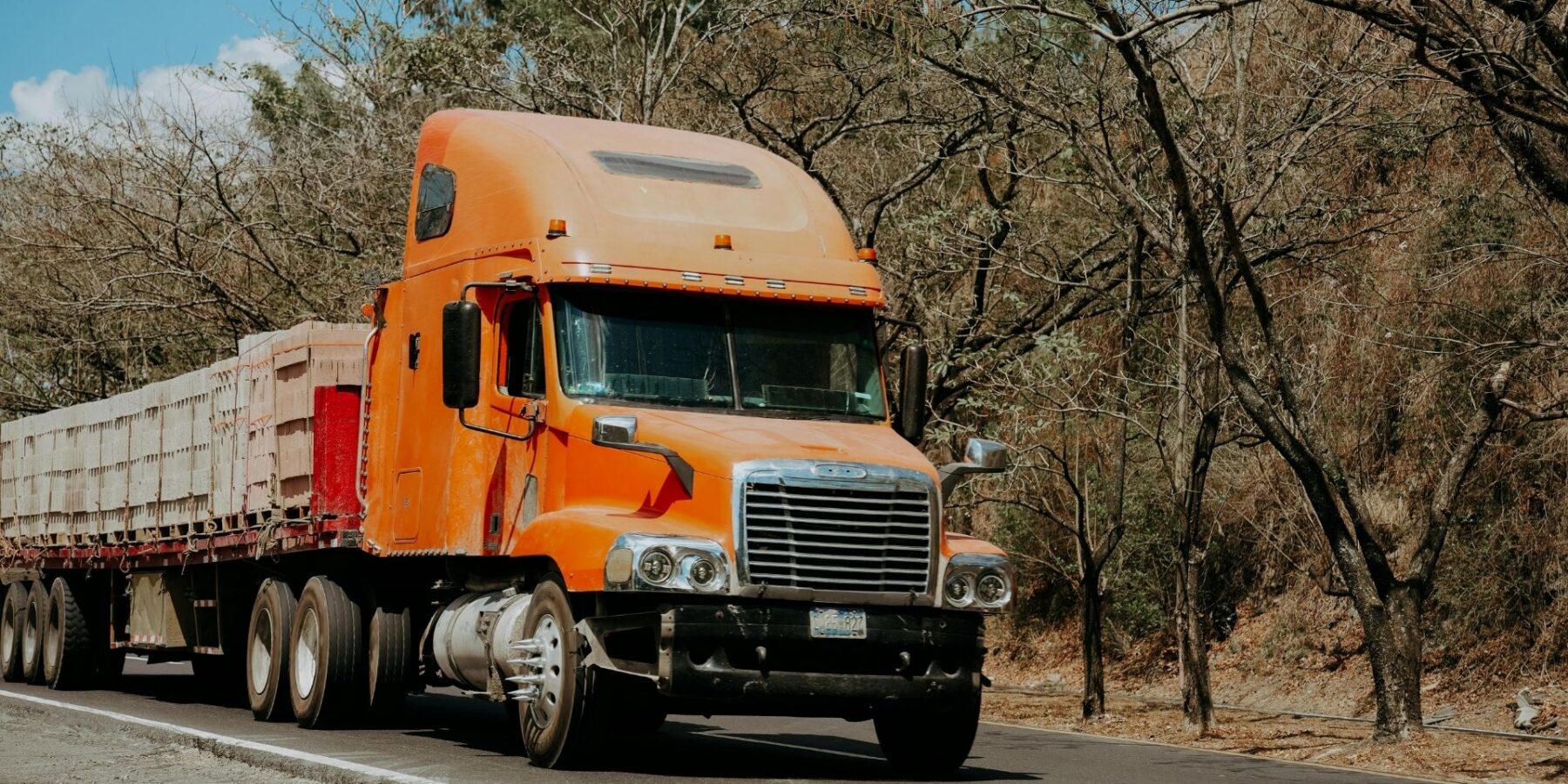
18-Wheeler Accident Lawyers in Oregon
Large truck crashes create some of the most serious injury cases on the roads, and 18-wheeler accident lawyers in Oregon help victims respond with structure and legal direction after these incidents. According to the National Safety Council’s large truck crash data, crashes involving large trucks continue to result in thousands of serious injuries each year, with most harm affecting occupants of smaller vehicles rather than truck drivers. This reflects how the size and weight of commercial trucks increase the severity of collisions, especially on busy freight corridors. Across Oregon, highways such as I-5, I-84, and Highway 97 carry constant commercial traffic, which increases the likelihood of high-impact accidents involving 18-wheelers and other large vehicles.
Truck accident cases involve more than just a single driver, and this is where many claims become more complex than standard car accident cases. A crash may involve the driver, the trucking company, a maintenance contractor, or a cargo loading company, all of which may share responsibility for what happened. Insurance coverage often includes multiple layers, and each party may attempt to limit its financial exposure after a crash. These factors make early legal action important, especially when key evidence such as black box data, driver logs, and inspection records must be preserved quickly.
The steps taken immediately after a crash can affect the strength of a claim and the ability to recover compensation. Acting early allows a legal team to gather evidence, evaluate liability, and build a case that reflects the full impact of the injuries involved. When evidence is preserved and analyzed properly, it becomes easier to connect the crash to the damage suffered. If you or a loved one has been injured in an 18-Wheeler truck crash, call (971) 803-4962 to speak with Goldberg & Loren Personal Injury lawyers and learn what options may be available.
How Can 18-Wheeler Accident Lawyers in Oregon Help After a Serious Crash
After a serious truck accident, people often face medical care, missed work, vehicle loss, and insurance pressure all at once. They need more than a quick claim review. They need a legal process that explains who may be responsible, what evidence must be protected, and how each decision affects the value of the case. At Goldberg & Loren, we act early to preserve trucking records, review liability, and build the claim around the real impact of the crash. Our team focuses on clear communication and structured case development so clients understand how their case moves forward, why each step matters, and what we are doing to protect their recovery.
Truck accident claims often involve federal safety regulations and multiple parties who may share responsibility for the crash. What to do after a 18-wheeler crash is to have us review crash reports, identify all potential sources of liability, and determine how trucking rules apply to the situation. This process helps create a clear roadmap for the case while also protecting the evidence needed to support it. By connecting these steps early, we build a foundation that supports both negotiation and litigation if necessary.
Why Truck Crash Claims Need Fast Action
Time plays a critical role in truck accident cases, especially when evidence must be preserved quickly. Unlike standard vehicle crashes, commercial truck crashes generate extensive data that may not remain available indefinitely. Acting early helps prevent evidence from being lost, altered, or overwritten. This is one of the most important reasons why early legal involvement can strengthen a claim.
Preserving Evidence Before It Disappears
Trucking companies often begin internal investigations immediately after a crash, collecting records and reviewing driver activity. Without legal representation, victims may not have access to this information or may face delays when trying to obtain it. Preserving evidence early helps ensure that all relevant information remains available for review. This step protects the integrity of the case and supports accurate liability analysis.
Black Box Data and Driver Logs
Commercial trucks are equipped with electronic systems that track speed, braking, and driving hours. These records can show whether a driver followed safety regulations or violated required limits. For example, if a driver exceeded allowed driving hours, that information may support a claim of negligence. Securing this data quickly allows attorneys to build a stronger case based on objective evidence rather than assumptions.
How Goldberg & Loren Reviews Serious Truck Claims
Every truck accident case begins with a detailed evaluation that goes beyond basic fault analysis and focuses on how liability, evidence, and damages connect. At Goldberg & Loren, we break down the crash by examining driver behavior, company policies, vehicle condition, and any regulatory violations that may have contributed to the incident. This includes reviewing whether federal trucking rules were followed, how the vehicle was maintained, and whether scheduling or delivery pressure played a role in the crash.
We also look at how the injuries affect the client’s daily life, not just in the short term but over time. Medical records, treatment plans, and long-term care needs are analyzed alongside lost income, physical limitations, and lifestyle changes. This allows us to build a claim that reflects the full scope of the harm caused, rather than focusing only on immediate costs.
This structured process ensures that no critical detail is missed during the early stages of the case. By organizing liability evidence and damages together, we create a clear narrative that explains how the crash happened, who is responsible, and why the claim has value. That foundation becomes essential when dealing with insurance companies or preparing the case for litigation.
Case Evaluation for Oregon Crash Victims
We begin by analyzing where the crash occurred and what conditions contributed to the incident. Oregon includes a mix of urban traffic areas and rural highways, both of which present different risks for commercial vehicle accidents. Understanding the location and circumstances helps determine how liability may be assigned. This evaluation also helps identify whether federal trucking regulations apply to the case.
Medical Records and Liability Proof
Medical documentation provides critical insight into the severity of injuries and the long-term impact on the victim’s life. When combined with liability evidence, it creates a clear connection between the crash and the damages suffered. This connection is essential for building a claim that reflects the full value of the case. By aligning medical records with factual evidence, attorneys can present a consistent and persuasive claim.
Why Experience Matters in Commercial Vehicle Cases
Truck accident cases require legal experience that goes beyond ordinary crash claims. Commercial vehicle cases often involve federal trucking rules, company safety policies, maintenance records, driver qualification files, and multiple insurance carriers. An experienced legal team knows where to look for evidence, which records may reveal negligence, and how to connect those facts to the injuries the crash caused.
Experience also matters because trucking companies and insurers often defend these claims aggressively. They may argue that the injured person caused the crash, that another party was responsible, or that the injuries existed before the collision. A prepared attorney can identify these arguments early, gather evidence that addresses them, and build a claim that stays focused on accountability.
In high-value 18-wheeler truck accident cases, small details can change the direction of the claim. A missed maintenance issue, an incomplete driver log, or a pattern of unsafe scheduling can reveal responsibility that may not appear in the police report. A structured approach helps uncover those details and ensures that liability, damages, and insurance coverage are evaluated together from the start.
George Goldberg and James Loren
18-Wheeler Accident Lawyers in Oregon, George Goldberg and James Loren, have handled serious injury claims for decades, including cases involving commercial vehicles and large trucking companies. Their experience supports a detailed and methodical approach to truck accident litigation. By applying this experience to each case, they help ensure that all potential sources of liability are explored.
Serious Injury Claim Preparation
Preparing a strong claim involves more than collecting documents and filing paperwork. It requires connecting evidence, building a clear narrative, and presenting the full impact of the accident. This preparation helps ensure that the claim reflects both the cause of the crash and the extent of the injuries involved. When done correctly, it supports both settlement negotiations and court proceedings.
What Risks Make Oregon 18-Wheeler Accidents So Serious?
18-wheeler truck accidents create serious risks that go beyond those seen in typical car crashes. The size, weight, and structure of commercial vehicles increase the force of impact and the likelihood of severe injury. In Oregon, these risks are present across highways, rural roads, and city streets where freight traffic is common. Understanding these risks helps explain why truck accident claims require a detailed legal approach.
Oregon Department of Transportation crash data reports show where and how serious collisions occur across the state. These reports make clear that commercial vehicle crashes are not limited to major highways. They also happen on Portland streets, regional corridors near Hillsboro, and rural routes used by freight, delivery, and logging traffic. That matters because each setting creates different risks and requires a different legal review. Urban truck crashes may involve congestion, tight turns, frequent stops, or limited visibility near intersections. Rural crashes may involve higher speeds, narrow shoulders, limited lighting, and longer emergency response times. These conditions can affect how the crash happened, how severe the injuries became, and what evidence is needed to prove fault.
A strong legal review should look beyond the police report and examine the full setting of the crash. Road design, traffic flow, weather, truck routing, and nearby commercial activity may all help explain why the accident occurred. By connecting these conditions to the driver’s conduct and the trucking company’s decisions, attorneys can build a stronger claim that shows what happened and who may be responsible.
Why Large Truck and 18-Wheeler Crashes Cause Severe Harm
The weight and size of an 18-wheeler create conditions where even a minor mistake can result in serious consequences. A fully loaded truck can weigh up to 80,000 pounds, which increases the force of impact during a collision. This often leads to severe injuries or fatalities for occupants of smaller vehicles. The physical difference between trucks and passenger cars plays a major role in these outcomes.
Highway Speed and Vehicle Weight
On major highways such as I-5 and I-84, trucks travel at high speeds and require longer stopping distances than passenger vehicles. When traffic conditions change suddenly, trucks may not be able to slow down in time to avoid a collision. This can lead to multi-vehicle accidents involving significant damage. These scenarios show how speed and weight combine to increase crash severity.
Rear End and Underride Collisions
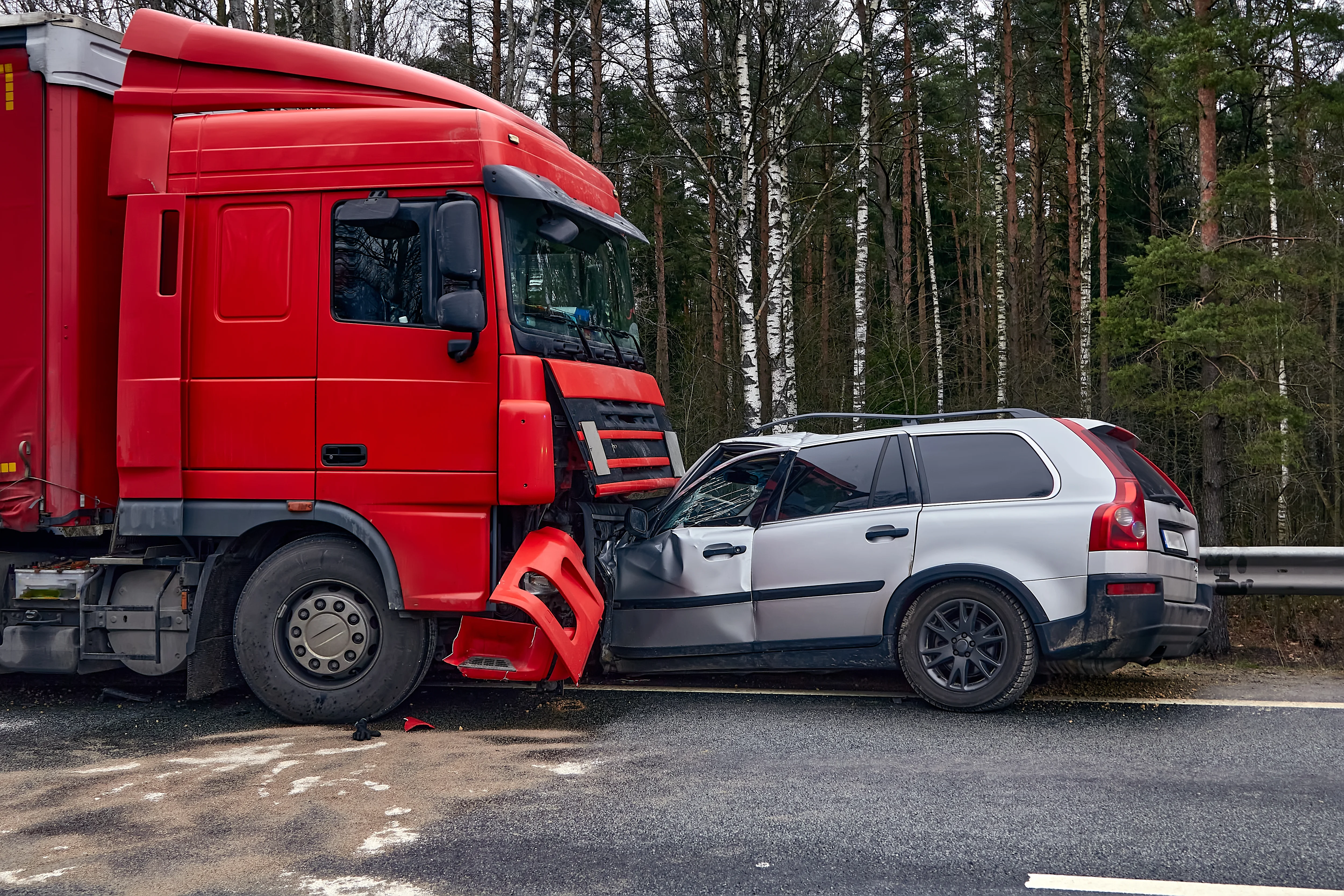
Rear-end collisions involving trucks often result in extensive damage to smaller vehicles. Underride accidents occur when a vehicle slides beneath a trailer, leading to severe injuries. These types of crashes highlight the importance of proper vehicle maintenance and safety compliance. They also demonstrate why liability often extends beyond the driver.
How Trucking Companies May Share Fault
Truck accident cases often involve multiple parties who contribute to the crash. This may include the trucking company, maintenance providers, or cargo loading teams. Each party may have played a role in creating the conditions that led to the accident. Identifying these parties is a key step in building a strong claim.
Driver Fatigue and Unsafe Schedules
Driver fatigue remains a leading factor in many truck accidents. Federal regulations limit driving hours, but violations can occur when companies push drivers to meet deadlines. Fatigue reduces reaction time and impairs judgment, increasing the risk of a crash. When these violations occur, they may support claims against both the driver and the employer.
Maintenance and Cargo Problems
Poor maintenance can lead to mechanical failures such as brake issues or tire blowouts. Improper cargo loading can cause a truck to shift or become unstable during transport. These problems often point to company-level negligence rather than individual driver error. Addressing these issues helps establish broader liability in the case.
What Happens When Victims Wait Too Long?
Delays after a truck accident can weaken a case in ways that are difficult to reverse. Evidence in commercial vehicle crashes is often controlled by trucking companies, and much of it is time-sensitive. Electronic logging data, vehicle inspection records, onboard computer data, and internal reports may only be stored for a limited period unless action is taken to preserve them. If that window passes, key proof of driver behavior or company negligence may no longer be available.
Waiting can also affect how the crash is investigated and interpreted. Trucking companies and their insurers often begin building their defense immediately after an accident, sometimes shaping the narrative before the injured party has gathered their own evidence. Witnesses may forget important details, physical evidence at the scene may change, and opportunities to document conditions like road layout or vehicle damage may be lost. This can shift the balance of the case and make it harder to establish fault clearly.
Delays may also increase pressure from insurance companies. Without a structured legal approach, injured victims may be contacted early with settlement offers that do not reflect the full impact of the crash. At that stage, medical treatment may still be ongoing, and long-term costs may not yet be clear. Acting early allows a legal team to protect evidence and manage communication.
Lost Evidence and Insurance Pressure
Trucking companies often secure records immediately after a crash, including driver logs and vehicle data. Without early legal action, accessing this information can become more difficult. This may limit the ability to prove how the crash occurred. Acting early helps prevent these issues and protects the claim.
Oregon Claim Timing Concerns
Oregon law sets deadlines for filing personal injury claims, and missing these deadlines can prevent recovery entirely. Taking action early allows attorneys to gather evidence and evaluate liability before time becomes a factor. This step helps ensure that the claim remains strong and supported. Early action provides a clear advantage when building a case.
How Do 18-Wheeler Accident Lawyers in Oregon Prove Liability?
Proving liability in a truck accident case requires a layered approach that connects evidence, legal standards, and the real-world impact of the crash. These cases go beyond identifying who caused the collision. They involve analyzing how the crash developed, whether safety rules were followed, and how each party’s actions contributed to the outcome. This process allows attorneys to build a claim that clearly shows responsibility across multiple levels.
In many 18-wheeler cases, liability is not limited to the driver. Attorneys examine driver conduct, company policies, vehicle maintenance, and cargo handling to determine where failures occurred. This may include reviewing driver logs for hours-of-service violations, maintenance records for skipped inspections, or company communications that show unrealistic delivery schedules. By connecting these details, attorneys can show how decisions made before the crash contributed directly to what happened on the road.
A strong liability argument also depends on aligning the facts with applicable laws and regulations. Federal trucking rules and Oregon standards provide a framework for determining whether safety requirements were violated. When evidence shows that these rules were ignored or misapplied, it strengthens the claim by linking regulatory violations to the cause of the crash. This combination of factual investigation and legal analysis helps create a clear, supported narrative that explains not just what happened, but why it happened and who should be held accountable.
What Makes Truck Accident Claims Different?
Truck accident claims differ from standard vehicle cases because they involve multiple parties and additional regulations. These factors create a more complex path to compensation.
Federal regulations govern many aspects of trucking operations, including driver hours and vehicle maintenance. Oregon commercial motor vehicle law works alongside these rules to define commercial vehicle standards. In an Oregon truck accident claim, these laws can help show whether the driver or trucking company operated safely before the crash. If a truck exceeded weight limits, lacked proper permits, used a restricted route, or failed to meet state safety requirements, that violation may support a negligence argument. Oregon law can also matter when fault is shared among multiple parties, since a crash may involve the driver, carrier, maintenance company, cargo loader, or another motorist.
A strong legal review looks at both federal and Oregon rules together. Federal violations may reveal problems with driver fatigue, inspections, or maintenance, while Oregon violations may show unsafe operation on local roads, highways, or freight routes. When attorneys connect those violations to the facts of the crash, they can build a stronger claim that explains how unsafe conduct caused harm.
How Strong Evidence Supports Compensation
Strong evidence forms the foundation of a successful 18-wheeler accident claim. These crashes often involve catastrophic injuries, multiple insurance policies, and trucking companies that begin defending the case immediately after the collision. Without clear evidence, insurers may dispute fault, question injuries, or argue that another driver caused the crash.
Attorneys focus on collecting evidence that explains both how the crash happened and how the injuries affected the victim’s life. In 18-wheeler accident cases, this may include black box data, driver logs, maintenance records, weigh station reports, dispatch communications, dash camera footage, witness statements, and cargo loading documents. These records can reveal speeding, driver fatigue, overloaded trailers, missed inspections, or violations of federal trucking regulations.
Strong evidence also supports the value of compensation. Medical records help document surgeries, rehabilitation, pain, and future care needs. Employment records help show lost income and reduced earning ability after serious injuries. When these records connect clearly to the crash, insurance companies have less room to deny responsibility or push low settlement offers.
Crash Reports and Expert Review
Police reports provide an initial account of the crash, including details about road conditions and vehicle positions. In complex cases, experts may analyze the scene to determine how the collision occurred. This analysis helps clarify liability and strengthens the claim.
Witnesses and Scene Documentation
Witness statements, photographs, and video footage provide additional context for the crash. This information helps create a timeline that supports the injured party’s claim. When combined with other evidence, it forms a complete picture of what happened.
How Goldberg & Loren Help Injury Victims
Truck accident attorneys in Oregon, Goldberg & Loren, focus on building strong cases that reflect both liability and damages. We review every detail and prepare claims that stand up to insurance company challenges.
Truck accident claims often involve high-value damages, which means insurance companies may challenge them. A strong strategy requires clear evidence and preparation for both negotiation and trial. This approach helps ensure that the claim is taken seriously.
Serious Injury Case Value
Serious injuries often involve long-term medical care, lost income, and lasting effects. By connecting evidence to these damages, attorneys present the full value of the claim. This helps ensure that compensation reflects the true impact of the accident.
Contact Goldberg & Loren after an Oregon 18-wheeler accident for a Free Case Review
After a truck accident, taking action early can influence how your case develops. Medical care, insurance communication, and legal decisions often happen at the same time, which can feel overwhelming. Working with Goldberg & Loren provides a structured approach that focuses on protecting your interests.
Goldberg & Loren has served injury victims since 1994 and continues to handle complex truck accident cases. Founders George Goldberg and James Loren bring decades of experience handling serious injury claims involving commercial vehicles. This experience supports a detailed approach to evaluating liability and damages.
If you have been injured in an 18-wheeler accident lawyers in Oregon, now is the time to act. You can contact us or call (971) 803-4962 to speak with our team. Every case begins with understanding your situation and building a path forward that reflects your needs.
Practice Areas
Trust Us With Your Personal Injury Claim
If you or a loved one have been injured, Goldberg & Loren will fight for you every step of the way. We will give our all to secure the compensation you rightfully deserve.





Contact usfor a free consultation.
Phone: (971) 803-4962