
Broken Bones Injury Lawyers in Oregon
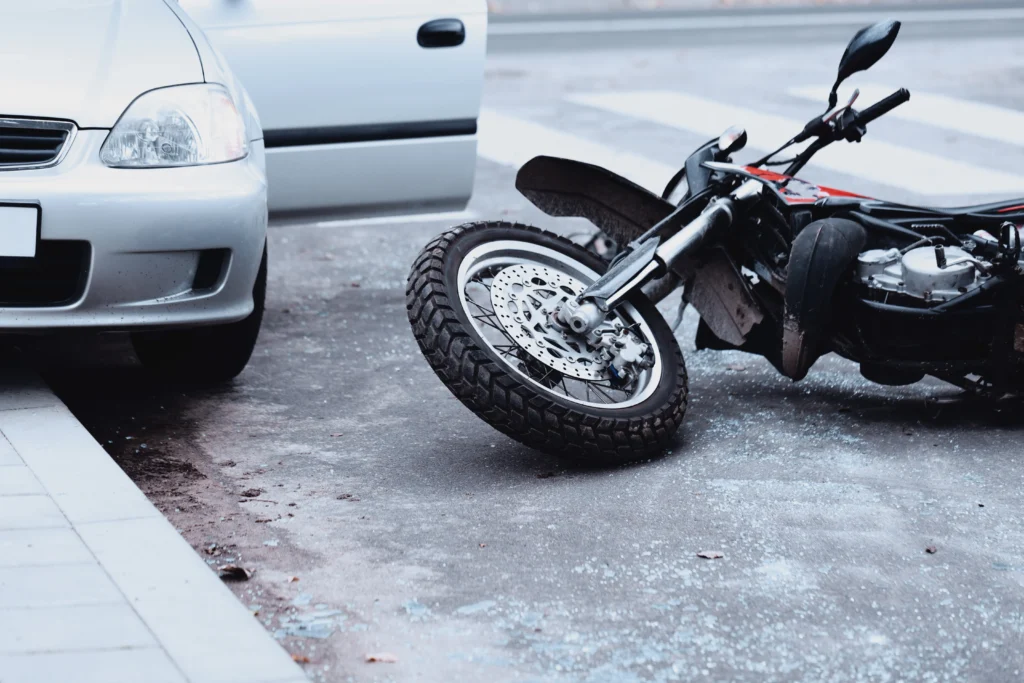
Broken bones after a motorcycle crash can turn normal life into doctor visits, missed paychecks, pain, and pressure from insurance adjusters. Riders often suffer fractures when a careless driver turns in front of them, follows too closely, changes lanes without looking, or forces them onto dangerous pavement. When that happens, you need help that focuses on the crash, the injury, and the full cost of recovery.
Our Oregon broken bones injury lawyers help injured riders pursue compensation after serious motorcycle accidents in Oregon. Our team looks at how the crash happened, who caused it, what medical care you need, and how the injury affects your work and daily life. Broken bone claims can involve surgery, hardware, physical therapy, nerve problems, long-term pain, and arguments about fault.
If you broke a bone in an Oregon motorcycle accident, call Goldberg & Loren at (971) 803-4962 for a free consultation. You pay nothing unless we win.
How Broken Bones Injury Lawyers in Oregon Help After Motorcycle Accidents
A broken bone after a motorcycle crash is not a small injury. Even a clean fracture can keep you out of work, limit how you move, and force you to rely on other people for basic daily tasks. More serious fractures can require surgery, metal hardware, physical therapy, and months of follow-up care.
Goldberg & Loren helps injured motorcyclists build claims that reflect the real damage caused by a broken bone injury. Our team investigates how the crash happened, gathers medical records, reviews insurance coverage, and pushes back when the insurance company tries to blame the rider. We focus on the full picture, not just the first hospital bill.
Why Motorcycle Crashes Cause Serious Fracture Injuries
Motorcyclists have far less protection than people inside passenger vehicles. When a driver hits a rider, the rider can hit the pavement, another vehicle, a guardrail, or roadside debris. That impact can break legs, arms, ribs, wrists, collarbones, facial bones, or the pelvis.
These injuries often happen fast. A rider may put out a hand to brace for impact and fracture a wrist or forearm. Another rider may land on one side of the body and suffer a broken collarbone, hip injury, or multiple rib fractures. Goldberg & Loren understand how motorcycle crashes create these injury patterns and how to connect them to the accident evidence.
Insurance companies often treat fractures too casually. They may act like a cast means the injury will heal without lasting problems. That ignores the reality of pain, missed work, limited movement, surgery, and future complications.
What Goldberg & Loren Reviews Before Taking a Broken Bone Case
Goldberg & Loren starts by looking at the cause of the motorcycle crash. A driver may have failed to yield, made an unsafe left turn, drifted into the rider’s lane, followed too closely, or ignored traffic signals. These facts matter because Oregon injury claims depend on proving fault.
Our team also reviews your medical treatment. X-rays, CT scans, surgical notes, orthopedic records, therapy records, and follow-up visits help show the severity of the fracture. These records can also show whether the injury caused nerve damage, limited mobility, chronic pain, or a need for future treatment.
We also look at how the broken bone changed your life. That includes missed income, job restrictions, trouble driving, sleep disruption, difficulty caring for children, and activities you can no longer do. A strong claim must explain the injury in human terms, not just medical billing codes.
Why You Should Not Settle a Motorcycle Fracture Claim Too Early
Insurance companies often move quickly when they see a chance to close a claim for less than its real value. A fast settlement may seem helpful when bills are piling up, but it can leave you responsible for future treatment. Once you settle, you usually cannot reopen the claim for more money later.
Broken bones can take time to fully heal. Some fractures heal poorly. Some require a second surgery. Some leave pain, stiffness, weakness, or arthritis that affects your work and daily life long after the crash.
Goldberg & Loren can help you slow the process down and review the full value of the claim before you make a decision. That matters when the insurance company pressures you to sign before you know whether you need surgery, physical therapy, or long-term medical care.
Common Broken Bone Injuries After Oregon Motorcycle Crashes
Motorcycle crashes often cause fractures because riders absorb the force of impact directly. A rider can hit the road, another vehicle, a curb, a signpost, or the motorcycle itself. These impacts can break more than one bone and create injuries that affect movement, strength, sleep, and independence.
Goldberg & Loren handles broken bone motorcycle accident claims with the medical details in mind. A fracture claim should account for emergency care, imaging, surgery, follow-up visits, therapy, missed work, and long-term pain. The type of fracture matters, but the real question is how the injury changes your life.
Broken Legs and Tibia Fractures After Motorcycle Accidents
Leg fractures are common in motorcycle crashes because the rider’s lower body often takes the first hit. A vehicle may strike the motorcycle from the side, pin the rider’s leg, or throw the rider onto the pavement. Broken femurs, tibia fractures, fibula fractures, ankle fractures, and knee-related bone injuries can all require serious medical care.
A broken leg can affect nearly every part of daily life. You may need crutches, a walker, a wheelchair, or help getting around your home. Goldberg & Loren looks at how the fracture limits your work, transportation, childcare, errands, and basic movement.
Some leg fractures require surgery and internal hardware. Doctors may place rods, plates, screws, or pins to stabilize the bone. These procedures can increase the value of a claim because they show the injury required invasive treatment and may create future medical needs.
How Leg Fractures Can Affect Walking and Work
A leg fracture can keep you from standing, walking, driving, lifting, climbing stairs, or returning to a physical job. Even office workers can struggle if pain, medication, appointments, or mobility limits make a normal workday impossible. The insurance company may focus only on the time you missed immediately after the crash, but that does not tell the full story.
Goldberg & Loren reviews job duties, medical restrictions, pay records, and recovery timelines. This helps show how the fracture affected your actual income. It can also show whether your injury forced you to reduce hours, change duties, or lose work opportunities.
A serious leg fracture may affect future earning ability. A rider who worked in construction, delivery, healthcare, warehouse labor, food service, or another active job may not return to the same work. That future impact belongs in the claim when the medical evidence supports it.
Why Surgical Hardware Can Increase a Fracture Claim
Surgical hardware often shows that a fracture was severe enough to need more than a cast or brace. Plates, screws, rods, and pins can stabilize broken bones, but they can also leave pain, stiffness, scarring, and sensitivity. Some people need a second surgery to remove hardware or address complications.
Goldberg & Loren looks closely at surgical records in motorcycle fracture claims. Operative reports, imaging, and orthopedic follow-up notes can explain why surgery was needed and how the injury may affect future health. These records help fight low settlement offers that ignore the full medical burden.
Hardware can also affect daily life after the bone heals. Some injured riders feel pain in cold weather, discomfort with movement, or reduced strength near the injury site. A claim should account for those issues when they are supported by medical records and personal evidence.
Broken Arms, Wrists, and Hands After a Motorcycle Crash
Arms, wrists, and hands often break when a rider tries to brace during a fall. The body reacts fast, and the hands may hit the pavement first. This can fracture the wrist, forearm, elbow, fingers, or upper arm.
These injuries can create serious problems even when they do not sound as severe as a broken leg. You use your hands for work, driving, cooking, bathing, texting, writing, lifting, and caring for your family. Goldberg & Loren builds these details into the claim so the insurance company cannot reduce the injury to a single X-ray.
Wrist and hand fractures can also cause lingering stiffness and weakness. Some riders lose grip strength or struggle with fine motor tasks after the crash. That matters when your job depends on tools, keyboards, steering, patient care, repair work, or repetitive hand movement.
How Upper Body Fractures Affect Daily Tasks
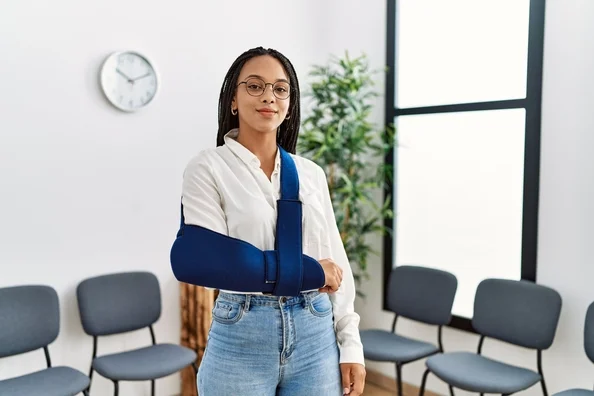
A broken arm, wrist, or hand can make ordinary tasks painful or impossible. You may need help dressing, showering, preparing food, carrying groceries, opening doors, or caring for children. These details matter because injury claims should account for the way the fracture affects your daily life.
Goldberg & Loren asks practical questions about your limitations. Can you lift a laundry basket? Can you type for a full shift? Can you sleep without pain? These answers help explain the real impact of the injury.
Insurance adjusters may overlook these losses because they do not always appear on a medical bill. That does not mean they have no value. Your pain, inconvenience, loss of independence, and disruption to daily life can support damages in an Oregon motorcycle accident claim.
Why Grip Strength and Range of Motion Matter
Grip strength and range of motion can determine whether you fully recover after an arm, wrist, or hand fracture. A rider may heal on X-ray but still struggle to hold tools, turn a steering wheel, lift objects, or perform detailed hand movements. These limits can affect work and personal life long after the crash.
Goldberg & Loren reviews therapy notes, orthopedic evaluations, and functional limitations. These records can show whether the injury caused weakness, stiffness, numbness, or reduced movement. Strong documentation helps prevent the insurance company from claiming the fracture healed without lasting effects.
Range of motion problems can also affect hobbies and household duties. If you rode motorcycles, played sports, worked on cars, cared for a loved one, or performed home repairs before the crash, those losses matter. A strong claim connects those losses to the injury in clear terms.
Broken Ribs, Pelvis, and Collarbone Injuries in Oregon Motorcycle Wrecks
Rib, pelvis, and collarbone fractures can cause intense pain and long recovery periods. These injuries often happen when a rider lands hard on one side of the body. A direct blow from another vehicle can also break bones in the chest, shoulder, or hip area.
Goldberg & Loren treats these injuries seriously because they can limit breathing, walking, sleeping, lifting, and sitting. A broken collarbone may affect shoulder function. A pelvic fracture can make standing and walking painful. Broken ribs can make every breath hurt.
These fractures can also come with hidden complications. Chest trauma may involve lung problems. Pelvic injuries may involve internal damage. Pain may continue after the bone heals, especially when the injury affects joints or surrounding tissue.
Why Chest and Pelvic Fractures Can Create Long Recovery Periods
Chest and pelvic fractures can limit movement in ways that affect your entire body. A rider with broken ribs may avoid deep breathing because of pain. A rider with a pelvic fracture may need help walking, using stairs, getting into a vehicle, or standing long enough to work.
Goldberg & Loren reviews medical records for complications and recovery limits. Hospital notes, imaging, pain reports, and therapy records can show how the fracture affected the body beyond the break itself. This matters when an insurer tries to treat the claim as routine.
A long recovery can also create financial pressure. Missed work, extra transportation costs, home assistance, and repeated medical visits can add up quickly. Those losses should be evaluated before any settlement discussion.
How Pain With Breathing or Movement Supports Damages
Broken ribs and related chest injuries can make breathing painful. Coughing, sneezing, laughing, sleeping, and turning in bed may hurt for weeks or months. This type of pain can affect recovery, mood, and daily function.
Goldberg & Loren documents these pain patterns through medical records and client statements. Pain that limits movement can affect work, household tasks, and basic routines. The claim should explain those limits clearly.
Insurance companies may argue that pain is subjective. Medical records, treatment timelines, prescriptions, therapy notes, and consistent reporting can support what you experienced. The stronger the documentation, the harder it becomes for the insurer to minimize the injury.
Skull Fractures and Facial Bone Injuries After Motorcycle Collisions
Skull fractures and facial fractures can happen when a rider’s head or face hits the ground, a vehicle, or another hard surface. These injuries can involve the jaw, cheekbone, nose, orbital bone, or skull. They may also appear with concussion, traumatic brain injury, dental trauma, or vision problems.
Goldberg & Loren handles these injuries with care because they often affect more than appearance. Facial fractures can cause pain while eating, speaking, sleeping, or breathing. Skull fractures can raise serious concerns about brain trauma and long-term neurological symptoms.
These claims require strong medical documentation. Emergency records, imaging, specialist visits, dental records, eye exams, and follow-up care may all matter. The goal is to show the full harm caused by the motorcycle collision.
Why Head and Face Injuries Need Fast Medical Documentation
Head and face injuries need immediate medical attention after a motorcycle crash. Symptoms can change over time, and some complications may not appear right away. Fast documentation also helps connect the injury to the collision.
Goldberg & Loren reviews the timeline between the crash and the first medical visit. A clear timeline can help show that the fracture came from the accident. It can also limit the insurance company’s ability to blame another event.
Medical records should describe pain, swelling, vision changes, dizziness, headaches, jaw problems, dental damage, and any neurological symptoms. Those details can shape the value of the claim. They also help doctors decide what treatment you need.
How Helmet Issues May Affect Insurance Arguments
Oregon law requires motorcycle riders and passengers to wear approved helmets. Insurance companies may look closely at helmet use when a crash causes head or facial injuries. They may try to argue that a rider made the injury worse by failing to use proper protection.
Goldberg & Loren reviews helmet evidence carefully. That can include photos, police reports, witness statements, medical records, and the damaged helmet itself. The goal is to respond to insurance arguments with facts.
Helmet issues do not automatically erase a claim. Oregon fault rules require a close look at who caused the crash and how each party’s conduct affected the injury. A lawyer can help protect your claim when the insurance company tries to shift blame onto you.

Call Goldberg & Loren After a Broken Bone Motorcycle Injury in Oregon
A broken bone after a motorcycle crash can affect your body, your income, your independence, and your future medical care. You should not have to guess what your case is worth while an insurance company looks for ways to pay less. Goldberg & Loren can review the crash, your treatment, your lost income, and the long-term impact of the fracture before you make any decision about settlement.
Our Broken Bones Injury Lawyers in Oregon help injured riders pursue compensation after serious motorcycle accidents in Portland, Eugene, Salem, Gresham, Hillsboro, Bend, Medford, Beaverton, and communities across the state. We handle the insurance calls, gather the evidence, review your medical records, and fight for the full value of your claim.
Call Goldberg & Loren at (971) 803-4962 for a free consultation today. You pay nothing unless we win.
Practice Areas
Trust Us With Your Personal Injury Claim
If you or a loved one have been injured, Goldberg & Loren will fight for you every step of the way. We will give our all to secure the compensation you rightfully deserve.



Contact usfor a free consultation.
Phone: (971) 803-4962