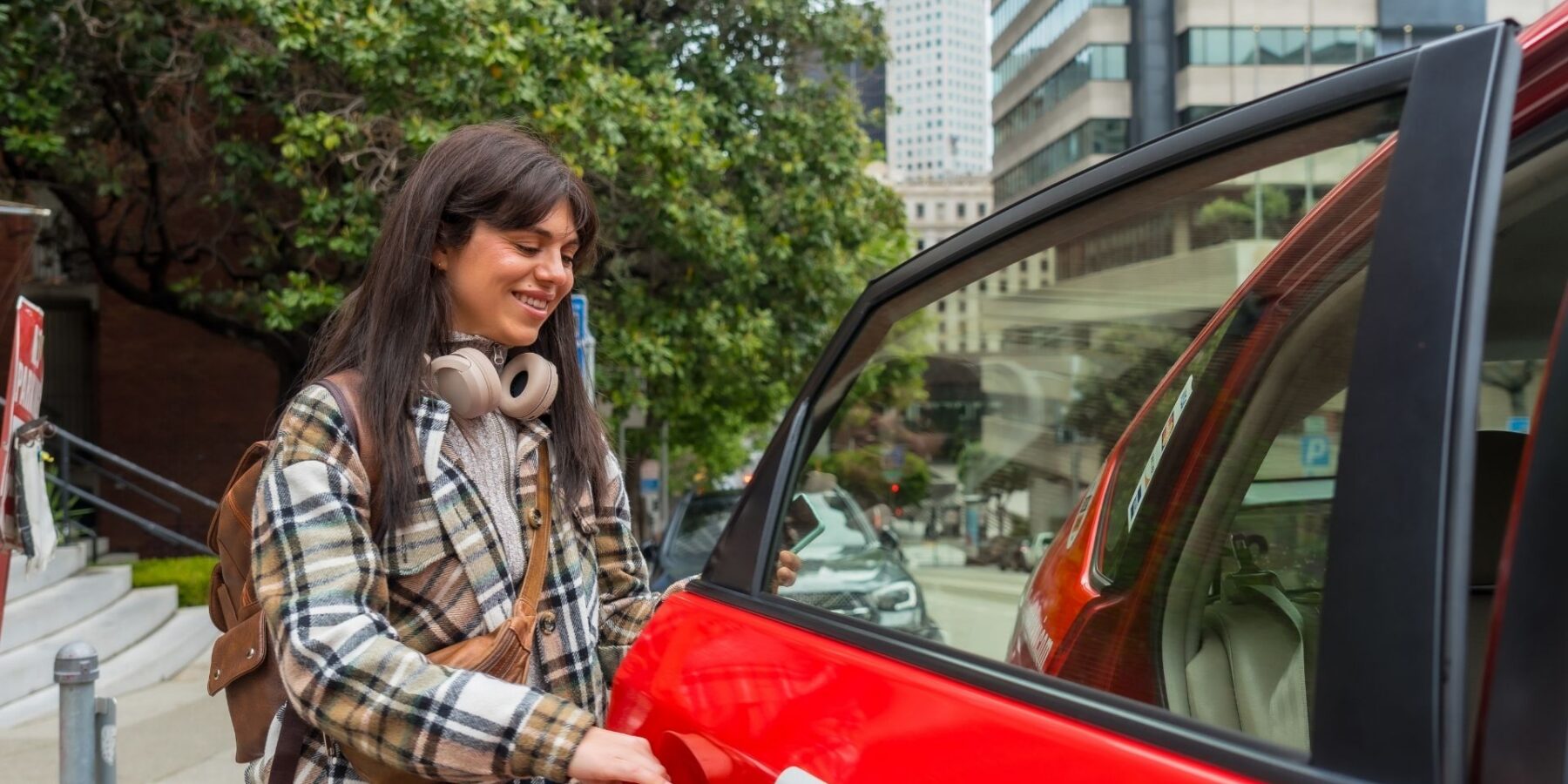
Rideshare Accident Lawyers in Portland
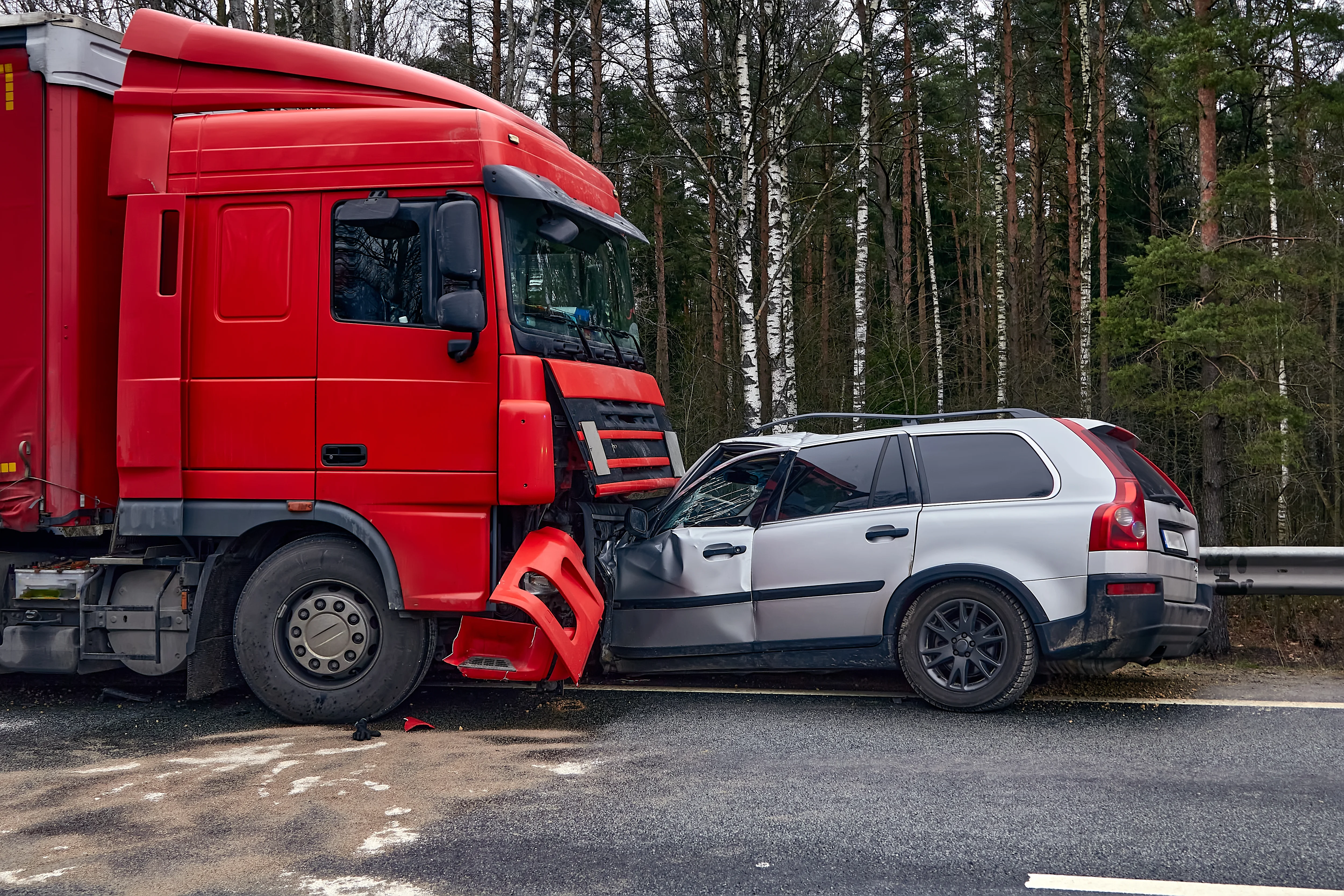
A Lyft or Uber rideshare crash can create confusion before anyone knows which insurance company should respond. One crash in Portland can pull in a driver, a rideshare company, multiple insurers, and medical providers all at once. Portland riders, cyclists, pedestrians, and drivers often learn quickly that Uber and Lyft claims do not follow the same path as a regular car crash. Instead, the driver’s app status, the pickup location, and the timing of the ride can all affect coverage. With so many details to consider, a rideshare accident lawyer in Portland can help keep the claim grounded in facts.
Goldberg & Loren handles rideshare accident cases with a focus on proof, timing, and insurance pressure. The other side may ask for a recorded statement before you know the full extent of your injuries. An adjuster may blame another driver, question the app status, or argue that the treatment looks excessive. Our team looks closely at police reports, medical records, trip data, crash photos, and witness accounts. George Goldberg and James Loren built Goldberg & Loren to represent injured people facing stressful claims, serious losses, and insurance resistance. Call (971) 803-4962 today to speak with our Portland injury team about your rideshare crash.
The goal is simple. Build the claim early, document the harm, and push back when insurers try to reduce what the crash truly cost.
Can Uber And Lyft Drivers Be Sued After Portland Injury Crashes
A rideshare driver can be sued after a Portland crash when careless driving causes injury. It may sound simple, yet the path to compensation can become tangled fast. An Uber or Lyft collision may involve the driver’s personal policy, the rideshare company’s coverage, another motorist’s insurer, and the injured person’s own coverage. Each company may look for a reason to pay less, delay the claim, or shift blame away from its insured. Portland adds its own risks to these cases. App-based drivers often work through tight curb space near Powell’s, Providence Park, PDX, the Moda Center, Old Town, and the bridges that feed downtown traffic. A driver may accept a ride, glance at navigation, stop suddenly, or cross a bike lane before fully checking traffic. When that choice harms someone, rideshare accident lawyers in Portland can help connect the driver’s conduct to the injuries and losses that follow.
Why Portland Rideshare Crash Claims Move Differently
A normal car accident report usually starts with two drivers and two insurers. A rideshare claim can start with several companies asking the same question from different angles. Was the driver logged in? Had a passenger already entered the vehicle. Did another car cause the crash? Did the injured rider report pain right away? Each answer can change how the claim moves.
That is why evidence matters from the first day. A rideshare receipt, trip screenshot, driver name, pickup location, and police report can fill gaps that insurers may later exploit. Portland Uber and Lyft accident lawyers often use those details to identify coverage and challenge early denials.
How App Status Shapes Portland Uber And Lyft Claims
App status can decide which policy becomes responsible after a crash. A driver who never opened the app may fall under a personal auto policy. A driver waiting for a request may trigger a different layer of coverage. A driver carrying a passenger may trigger higher rideshare coverage.
Insurers know these timing details matter. For that reason, they often investigate trip logs before they discuss fair payment. Injured people should save screenshots, ride receipts, texts from the driver, and any app notices tied to the trip.
Why A Ride Receipt Can Become Key Evidence
A ride receipt does more than show the fare. It can show time, route, pickup point, drop-off location, and driver identity. Those details can help prove that the crash happened during a covered rideshare trip.
Without that record, an insurer may argue that the driver was outside the platform. That argument can delay the claim and create confusion over coverage. Saving the receipt helps protect the case before records become harder to obtain.
Why Early Medical Care Helps Protect The Claim
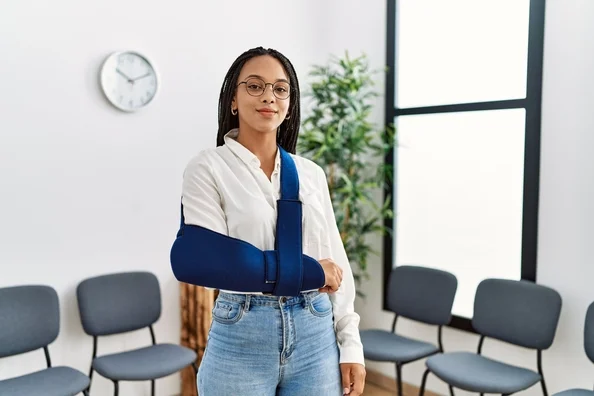
Crash injuries do not always announce themselves at the scene. A person may walk away from a Lyft crash near Southeast Division and feel serious neck pain the next morning. Another rider may dismiss dizziness after a sudden impact, then later learn they suffered a concussion.
Insurance adjusters often treat gaps in care as ammunition. They may argue that the crash did not cause the injury or that the victim made the condition worse by waiting. Prompt medical care creates a record that links the collision to the symptoms.
How Portland Street Design Affects Rideshare Liability
Portland’s street layout can increase the chance of rideshare mistakes. Narrow curb lanes, one-way streets, bridge approaches, transit stops, and protected bike lanes all demand attention. Drivers who focus on the app instead of the road may miss cyclists, pedestrians, or vehicles entering traffic.
Pickup pressure can make the problem worse. A driver may stop where no safe space exists because a rider stands nearby. That quick decision can create liability when it blocks traffic, forces a cyclist around the vehicle, or causes another driver to brake suddenly.
Why Downtown Pickup Areas Create Crash Risks
Downtown Portland rideshare pickups often happen near hotels, restaurants, apartments, and event venues. Traffic may stack up near entrances, and drivers may double park while searching for passengers. Those choices can turn a simple pickup into a collision.
A crash report may not always explain the pickup problem fully. Photos of the curb, nearby signs, traffic lanes, and vehicle positions can add important context. That context helps show why the rideshare driver’s stop was unsafe.
Why Bike Lane Conflicts Matter In Portland Claims
Portland drivers share the road with many cyclists. Rideshare drivers must check bike lanes before turning, stopping, or opening doors near the curb. A failure to check can cause a cyclist to crash or suffer direct impact.
Cyclist injury claims often involve disputed facts. The driver may say the cyclist appeared suddenly. Video, witness accounts, and lane markings may tell a different story. Strong evidence can show that the driver failed to use reasonable care.
When A Portland Rideshare Driver May Face A Lawsuit
A rideshare driver may face a lawsuit after speeding, following too closely, ignoring traffic signals, making unsafe turns, or driving while distracted. The injured person does not need to prove the driver meant to cause harm. The claim usually focuses on whether the driver failed to act with reasonable care.
A lawsuit may become necessary when insurers refuse fair payment. This can happen after surgery, permanent injury, major wage loss, or long-term pain. Rideshare accident lawyers in Portland can review the facts, identify responsible parties, and prepare the claim for negotiation or court.
Why Driver Distraction Often Drives Portland Rideshare Cases
Rideshare drivers depend on their phones for routes, ride requests, passenger messages, and trip updates. That constant phone use can create a dangerous distraction. One glance near a crosswalk, freeway merge, or busy curb can cause a serious crash.
Distraction may not appear clearly in a basic crash report. Phone records, app data, witness statements, and traffic footage may help reveal what happened. A strong investigation looks beyond the driver’s first explanation.
How GPS Use Can Lead To Unsafe Decisions
GPS directions can change quickly on Portland streets. A rideshare driver may brake hard after missing a turn or cut across lanes to follow a new route. Those sudden decisions can endanger riders and surrounding traffic.
Insurers may call the crash unavoidable. Yet a driver still has a duty to make safe choices, even when the app gives confusing directions. Technology does not excuse careless driving.
How Passenger Pressure Can Affect Driver Conduct
Some drivers rush because a passenger is waiting, a rating is at stake, or the app encourages fast pickup completion. That pressure can lead to risky stops, sharp turns, or hurried lane changes. A driver still must put safety ahead of speed.
Passenger pressure does not erase responsibility. If the driver chooses an unsafe maneuver and someone gets hurt, that conduct can support a negligence claim. The facts of the trip help show whether the driver acted reasonably.
Why Severe Injuries Change The Legal Fight
A minor damage crash may settle quickly. A rideshare crash involving surgery, head trauma, or long-term disability usually receives much closer scrutiny. Insurers may send investigators, request years of medical records, and question every treatment decision.
This pressure can overwhelm injured people who are still recovering. Goldberg & Loren Personal Injury reviews the evidence, tracks losses, and prepares the claim with the seriousness it deserves. Goldberg & Loren understand that high-value injury claims require proof, persistence, and careful preparation.
Why Brain Injuries Need Detailed Proof
A brain injury can affect work, sleep, mood, speech, and memory. These symptoms may not show on the outside, which gives insurers room to dispute the harm. Medical evaluations and consistent treatment records can help explain the injury’s real effect.
Family observations can matter too. A spouse, parent, or coworker may notice changes after the crash. Those details can support the claim when medical records do not capture every daily struggle.
Why Back And Neck Injuries Require Strong Documentation
Back and neck injuries can limit movement, disrupt sleep, and prevent a person from working. These injuries may require imaging, physical therapy, injections, or surgery. Insurance companies often argue that pain comes from age, work, or a prior condition.
That argument must be answered with evidence. Medical timelines, treatment notes, and provider opinions can connect symptoms to the crash. A Portland rideshare injury claim becomes stronger when the proof tells a consistent story.
How Goldberg & Loren Build Portland Rideshare Accident Claims
Goldberg & Loren Personal Injury handles Portland rideshare crash cases with attention to the details that insurers often contest. The firm looks at driver conduct, app timing, coverage layers, medical records, and every source of recovery. This approach matters because Uber and Lyft accident claims often turn on facts that seem small at first.
The firm’s public research materials note a $900,000 Uber accident result connected to its Portland car accident page. That result should not be treated as a promise, since every case depends on its own facts. It does show that rideshare injury claims can involve serious losses and meaningful recovery efforts.
Why Evidence Preservation Comes First
Evidence can disappear quickly after a rideshare crash. Businesses may overwrite camera footage. Witnesses may forget details. App records may require formal requests before they become available.
Early action helps protect the claim. Photos, medical records, trip screenshots, repair records, and witness information can give the case structure. That structure can make settlement talks more focused.
How App Data Can Support A Portland Injury Claim
App data may show the route, timing, driver identity, and ride status. That information can help prove whether the crash happened during a covered rideshare period. It may also support claims about speed, route changes, or pickup location.
The injured person may not have direct access to every record. A lawyer can pursue preservation and production through the proper process. That step can prevent an insurer from relying on incomplete information.
How Local Details Can Strengthen A Crash Case
Local details can explain why the crash happened. A collision near a hotel entrance, bike lane, bridge ramp, or rideshare pickup area may involve hazards that do not appear in a basic insurance summary. Street design, traffic flow, and time of day can all matter.
Goldberg & Loren Personal Injury uses those facts to frame the claim clearly. Rideshare accident lawyers in Portland can show how a driver’s choice created danger in a specific place. That local detail can make the difference between a weak claim and a well-supported demand.
How Rideshare Accident Lawyers in Portland Build Strong Injury Cases
A rideshare injury case can fall apart long before it reaches a courtroom. The problem usually starts when important details disappear early. A driver deletes texts. A business records over camera footage. A passenger forgets what happened during the seconds before impact. Meanwhile, the insurance company has already begun shaping the claim from its side. That is why Portland Uber and Lyft accident cases often depend on what gets preserved during the first few days after the crash.
Rideshare accident lawyers in Portland approach these cases differently than ordinary fender benders. A crash involving a rideshare app leaves behind digital evidence, trip records, GPS movement, passenger logs, and timing data that may never appear in a standard police report. Goldberg & Loren Personal Injury examines those details closely when building claims involving Uber drivers, Lyft drivers, injured riders, pedestrians, and cyclists throughout Portland.
Steps That Can Strengthen A Portland Rideshare Injury Claim
A strong rideshare accident case usually begins with immediate documentation and consistent evidence preservation. Insurance carriers often search for missing details, delayed treatment, or conflicting statements that may reduce the value of the claim. Taking the right steps after a Portland Uber or Lyft accident can help protect important evidence before it disappears.
- Save the Uber or Lyft trip receipt, app screenshots, driver information, and ride details immediately after the collision
- Take photographs of vehicle damage, surrounding traffic conditions, visible injuries, nearby intersections, and the crash location
- Seek medical treatment quickly so the injuries are connected to the rideshare accident from the beginning
- Preserve text messages, ride notifications, and app communication connected to the trip
- Keep copies of medical records, therapy appointments, prescriptions, and discharge paperwork throughout treatment
- Document missed workdays, lost income, and changes in physical ability caused by the injuries
- Write down witness names and contact information before witnesses become difficult to locate later
- Avoid discussing fault or injury severity with insurance adjusters during the early stages of the claim
- Track how the injuries affect daily routines, mobility, sleep, work responsibilities, and normal activities
- Speak with Goldberg & Loren Personal Injury before insurers begin disputing app status, liability, or medical treatment related to the crash
Why Portland Uber Accident Claims Depend On Fast Action
A rideshare crash can create confusion immediately after impact. One driver may blame another vehicle. A rideshare passenger may leave the scene before officers arrive. The app may continue running after the collision. Important facts can become difficult to reconstruct later if nobody secures the evidence early.
Fast action often changes the strength of the claim. A single photo showing vehicle position near NW 23rd, the Hawthorne Bridge, or an airport pickup lane may explain more than several written statements. Portland rideshare injury lawyers often focus on preserving the crash story before insurers rewrite it.
Why Portland Traffic Patterns Matter In Rideshare Cases
Portland traffic rarely moves predictably. Congestion near Burnside, Alberta, Lloyd Center, and the downtown transit corridors creates sudden stops, tight merges, and constant distractions. Rideshare drivers often search for passengers in crowded areas where visibility changes quickly.
Those driving conditions can help explain how the collision occurred. A rideshare driver may stop in an active lane near a restaurant entrance or pull across traffic trying to reach a pickup point. These choices matter during liability disputes.
How Nightlife Traffic Changes Lyft Accident Claims
Late-night rideshare traffic creates different risks than daytime driving. Drivers may rush through entertainment districts trying to complete more rides before demand slows. Pedestrians cross streets unexpectedly, passengers step into traffic, and curbside congestion increases around bars and music venues.
These collisions often involve confusion at the scene. Witnesses leave quickly, lighting conditions reduce visibility, and intoxicated passengers may struggle to remember details clearly. A strong investigation becomes important in these situations.
Why Airport Pickup Areas Lead To Serious Uber Crashes
Airport rideshare traffic creates pressure on drivers to move quickly through pickup lines. A driver distracted by ride notifications may stop suddenly or merge aggressively near terminal traffic. These crashes can involve high vehicle volume and limited reaction time.
Portland airport rideshare claims may involve surveillance footage, app timing records, and traffic flow analysis. These details can help establish how the crash unfolded and why the driver acted unsafely.
Why Digital Evidence Matters In Portland Rideshare Lawsuits
Most rideshare crashes leave behind more digital evidence than ordinary car accidents. Drivers communicate through apps, receive navigation updates, and track passenger activity electronically throughout the trip. This information can become valuable during a serious injury claim.
Digital records may reveal route changes, trip timing, ride acceptance activity, and sudden stops before impact. In some cases, the timing of a ride request becomes one of the biggest issues in the lawsuit.
How Trip Data Can Expose Unsafe Driving
Trip records sometimes reveal patterns that support the injured person’s claim. Frequent route changes, abrupt stops, or unusual driving activity may appear in app records tied to the ride. These details can strengthen arguments involving distraction or unsafe operation.
A rideshare company may not voluntarily hand over every record immediately. Preserving those records early helps prevent disputes later about what data still exists.
Why Phone Activity Becomes Important After Lyft Collisions
Phone use plays a major role in many rideshare crashes. Drivers rely heavily on ride notifications, route instructions, passenger communication, and earnings tracking throughout the shift. Even brief attention shifts can lead to severe collisions in heavy Portland traffic.
Phone records may help establish whether the driver interacted with the device moments before impact. That information may support negligence claims involving distracted driving.
How Medical Records Shape Portland Rideshare Injury Claims
The medical side of a rideshare case often carries more weight than the vehicle damage itself. Some crashes leave limited visible damage but still produce serious physical injuries. Insurance companies frequently challenge these cases aggressively.
Medical records help explain what the injured person experienced after the collision. Treatment notes, imaging results, physical therapy evaluations, and specialist referrals create a timeline that connects the crash to the injuries.
Why Delayed Symptoms Complicate Uber Injury Cases
Many people feel relatively normal during the hours immediately following a crash. Adrenaline can temporarily mask pain and stiffness. Later, symptoms may develop in the neck, lower back, shoulders, or head.
Insurance adjusters often target these delayed symptoms during negotiations. They may argue the injury came from another event or that the crash lacked enough force to cause serious harm. Consistent treatment history helps address those arguments.
How Concussions Affect Daily Life After A Rideshare Crash
Concussions can disrupt concentration, sleep, mood, and memory long after the accident. Some injured riders struggle to return to work or complete basic routines during recovery. Others experience sensitivity to light, headaches, or emotional changes that affect relationships and daily stability.
These injuries often appear more serious over time rather than immediately after impact. A thorough medical evaluation helps document how the concussion affects normal life.
Why Soft Tissue Injuries Still Carry Serious Financial Impact
Insurance companies often minimize soft tissue injuries after rideshare accidents. They may treat neck strain or back pain as minor despite months of treatment and physical limitation. In reality, these injuries can interfere with work, parenting, sleep, and mobility.
A person dealing with chronic pain may require therapy, injections, medication, or extended rehabilitation. Those costs can continue long after the initial emergency room visit.
Why Long-Term Treatment Raises The Stakes
A serious rideshare injury claim may continue for months or years after the crash. Surgery, rehabilitation, pain management, and future medical care can increase the value of the claim significantly. Insurance carriers usually respond more aggressively once treatment costs rise.
Long-term cases require careful documentation from beginning to end. Missed work, physical restrictions, and ongoing medical appointments help show the true impact of the injury.
How Future Wage Losses Affect Portland Injury Lawsuits
Some injuries prevent people from returning to the same type of work they performed before the collision. A delivery driver, nurse, construction worker, or warehouse employee may lose earning ability after a severe back or spinal injury.
Future wage losses often become a major part of the claim. These damages may include reduced earning capacity, missed promotions, and long-term financial instability tied directly to the injury.
Why Permanent Physical Limitations Matter In Lyft Cases
Permanent injuries can change nearly every part of daily life. A person may lose mobility, struggle with chronic pain, or require assistance with physical tasks that once felt routine. These limitations often affect emotional health and independence as well.
Insurance companies may resist claims involving permanent impairment. Detailed medical evaluations and treatment records help support these damages during negotiations or litigation.
Why Insurance Companies Push Back Against Portland Rideshare Claims
Insurance companies rarely treat rideshare claims as straightforward cases. The involvement of app-based driving creates more opportunities for carriers to dispute fault, coverage, and injury severity. One insurer may attempt to place responsibility on another policy to reduce exposure.
This process can frustrate injured people already dealing with medical stress and lost income. Delays often become part of the strategy. The longer the claim drags out, the more pressure some victims feel to accept less money.
Why Recorded Calls Can Damage Injury Cases
Insurance adjusters often contact injured people quickly after the crash. The conversation may sound routine, yet the insurer often records the call and reviews every statement later. A casual comment about feeling “okay” may become ammunition months later.
Injured people may not yet know the full extent of their condition during these calls. Pain, dizziness, and mobility problems often worsen during the days following the collision.
How Adjusters Create Doubt About Injuries
Adjusters frequently search for inconsistencies between medical records, accident reports, and verbal statements. They may suggest that prior injuries caused the symptoms or that treatment lasted longer than necessary.
These arguments become more common in higher-value rideshare claims involving surgery or long-term care. Organized records help counter attempts to minimize the injuries.
Why Fast Settlement Offers Usually Benefit The Insurance Company
Early settlement offers often appear before treatment fully develops. The insurer may offer quick money, hoping the injured person accepts before learning the long-term impact of the injuries.
Once a settlement closes, additional compensation may no longer be available. Serious injuries deserve careful evaluation before final decisions are made.
How Rideshare Accident Lawyers in Portland, Goldberg & Loren Prepare Uber And Lyft Lawsuits
Goldberg & Loren Personal Injury prepares rideshare accident cases with attention to the details that insurers often challenge hardest. Goldberg & Loren focus on documenting injuries, preserving evidence, and building claims that reflect the real impact of the collision rather than the insurance company’s version of events.
The firm has publicly referenced a rideshare-related recovery connected to a Portland Uber accident claim. That result reflects the serious financial consequences rideshare crashes can create for injured people dealing with surgeries, lost income, and long-term physical limitations.
Why Detailed Preparation Changes Settlement Negotiations
Insurance companies evaluate how prepared the injured person appears before making meaningful offers. A claim supported by organized medical evidence, clear liability analysis, and detailed financial losses creates more pressure during negotiations.
Weak preparation often invites delay tactics and low offers. Strong preparation forces insurers to evaluate the risk more carefully.
How Case Timelines Help Explain Serious Injuries
Case timelines help organize treatment history, work interruptions, surgeries, rehabilitation visits, and symptom progression into a clear structure. This organization helps explain how the injury developed after the crash.
Timelines also make it harder for insurers to argue that unrelated events caused the injuries later in the process.
Why Portland Specific Facts Strengthen Rideshare Injury Claims
Local details often help explain why the collision occurred. A crash near a MAX crossing, a downtown pickup lane, or a crowded bridge entrance may involve traffic conditions unique to Portland streets. These facts give context to driver behavior and roadway risk.
Goldberg & Loren Personal Injury builds rideshare claims around those details. Rideshare accident lawyers in Portland can use local traffic conditions, driver conduct, and injury evidence to present a stronger and more complete case.
Trust Goldberg & Loren As Rideshare Accident Lawyers in Portland – Call Us for a Free Case Review
Medical appointments replace normal routines, income may stop unexpectedly, and insurance companies often begin pressuring injured people before treatment even stabilizes. Uber and Lyft accident claims in Portland also create added complications because several insurance policies may become involved at once. Goldberg & Loren Personal Injury helps injured riders, drivers, pedestrians, and cyclists pursue compensation tied to serious rideshare crashes throughout Portland and surrounding communities.
George Goldberg and James Loren built the firm around injury representation involving difficult insurance disputes and serious vehicle collisions. Portland rideshare accident claims often involve disputed liability, app-related coverage questions, and long-term medical concerns. Goldberg & Loren investigate how the collision happened, review the available insurance coverage, and work to preserve evidence before it disappears. If you were injured in a rideshare accident, now is the time to protect your claim and understand your options. Call (971) 803-4962 today or contact us to speak with Goldberg & Loren Personal Injury about your Portland rideshare accident case.
Practice Areas
Trust Us With Your Personal Injury Claim
If you or a loved one have been injured, Goldberg & Loren will fight for you every step of the way. We will give our all to secure the compensation you rightfully deserve.
Contact usfor a free consultation.
Phone: (971) 803-4962