
Oregon Pedestrian Accident Attorneys
Oregon Pedestrian Accident Attorneys help injured walkers deal with the aftermath of being hit by a car, truck, rideshare vehicle, delivery van, or another motor vehicle. A pedestrian crash can leave you with hospital bills, missed work, pain, and questions the insurance company will not answer honestly. Goldberg & Loren helps injured pedestrians and families understand their rights, protect their claims, and pursue compensation after serious crashes across Oregon.
Pedestrian accident claims often move fast because drivers, witnesses, businesses, and insurance companies start protecting themselves right away. You should not have to track down evidence, argue about fault, or deal with adjusters while you are trying to heal. Our Oregon pedestrian accident lawyers can step in, investigate what happened, and handle the claim process for you.
If you were hit while walking in Oregon, call Goldberg & Loren at (971) 803-4962 for a free consultation. You pay nothing unless we win.
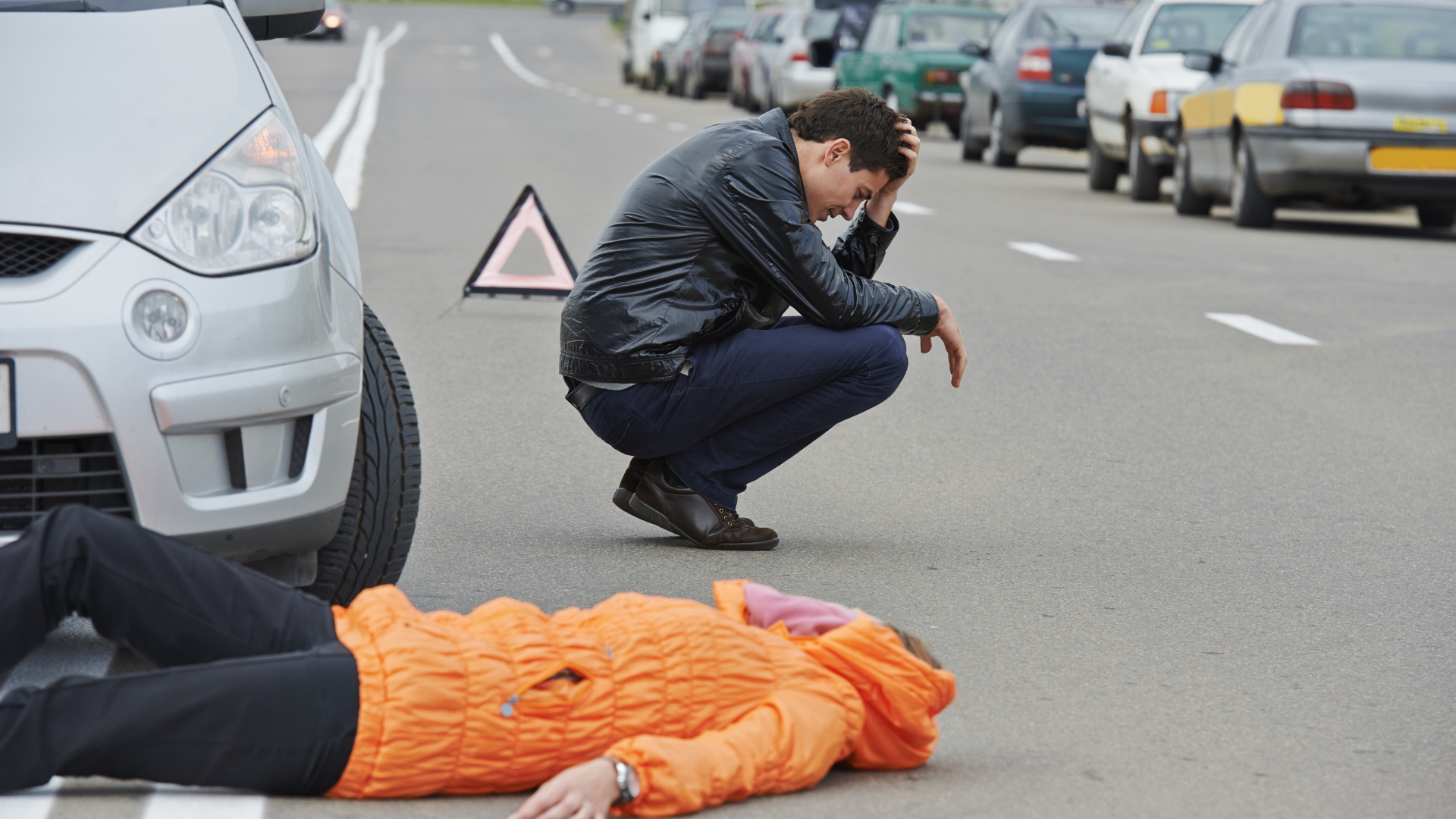
Why You Should Call Oregon Pedestrian Accident Attorneys After a Serious Crash
You should call Oregon pedestrian accident attorneys as soon as your immediate medical needs are under control. A pedestrian crash can become a fight over fault, medical proof, insurance coverage, and the true cost of your injuries. Goldberg & Loren can take over those issues before the insurance company pushes you into a statement or settlement that hurts your claim.
The driver may admit fault at the scene, then change the story later. The insurance adjuster may act helpful, then use your words against you. You need a legal team that knows how pedestrian accident claims work in Oregon and how quickly evidence can disappear.
How Goldberg & Loren Helps Injured Pedestrians Deal With Insurance Companies
Insurance companies do not evaluate pedestrian accident claims based on sympathy. They review liability, medical records, prior health issues, treatment gaps, wage loss proof, and anything they can use to reduce what they pay. Goldberg & Loren helps you deal with that process while you focus on your recovery.
Our team can speak with the insurance company for you, respond to requests for documents, and push back when the adjuster tries to blame you for the crash. This matters when the insurer claims you stepped into traffic, ignored a signal, crossed outside a marked area, or failed to pay attention. Those arguments can reduce the value of your claim if you do not answer them with evidence.
Goldberg & Loren also helps protect you from quick settlement pressure. A fast offer may look helpful when medical bills start arriving, but it may not include future care, therapy, lost income, or long-term pain. Once you sign a release, you usually cannot go back and ask for more money later.
Why Pedestrian Accident Claims in Oregon Need Fast Evidence Collection
Pedestrian accident claims often depend on evidence that disappears fast. Skid marks fade. Broken vehicle parts get cleared from the road. Nearby businesses may delete surveillance video within days or weeks. Witnesses may forget details or become harder to reach.
Goldberg & Loren can move quickly to collect evidence before the insurance company controls the story. That evidence may include police reports, crash scene photos, traffic camera footage, business security video, witness statements, vehicle damage photos, and medical records. Each piece helps show how the crash happened and how it affected your life.
Fast evidence collection becomes even more important when the driver denies fault. A driver may say they never saw you, that you appeared suddenly, or that you crossed against the signal. Strong evidence can answer those claims with facts instead of guesswork.
When You Should Contact an Oregon Pedestrian Accident Lawyer
You should contact an Oregon pedestrian accident lawyer after any crash that causes injuries, hospital treatment, missed work, or a dispute about fault. You should also call if the driver fled the scene, lacked insurance, drove under the influence, or blamed you for the collision. These details can make your claim harder to handle alone.
Goldberg & Loren can help even if you feel unsure about whether you have a case. Many injured pedestrians do not know how Oregon fault rules work, what insurance may apply, or what damages they can pursue. A free consultation gives you a clear starting point before you speak with the insurer again.
You should not wait until the insurance company denies your claim to get help. The earlier you call, the more time your attorney has to protect evidence, document your injuries, and build your claim the right way.
What Makes Pedestrian Accident Claims Different From Other Oregon Injury Cases
Pedestrian accident claims often involve more serious injuries because the person walking has no seat belt, airbag, helmet, frame, or other protection. A driver may walk away from the crash with little damage to the vehicle, while the pedestrian may need surgery, weeks of treatment, or long-term medical care. Goldberg & Loren understands how these claims affect your body, your work, your family, and your financial stability.
These cases also create tough fault disputes. The driver may say they had the right of way. The insurance company may claim you crossed too late, looked at your phone, wore dark clothing, or stepped outside the crosswalk. Goldberg & Loren looks at the full picture, including traffic signals, vehicle speed, witness accounts, road design, lighting, impact points, and medical records.
Why People Walking Often Suffer More Severe Injuries Than Vehicle Occupants
A pedestrian’s body absorbs the force of the crash. The first impact may come from the bumper, hood, windshield, mirror, or front corner of the vehicle. The second impact may happen when the pedestrian hits the pavement, curb, or another object.
That double impact can cause injuries that do not show their full effect right away. A person may feel pain at the scene, then develop worse symptoms over the next few days. Goldberg & Loren encourages injured pedestrians to get medical care quickly and follow every treatment recommendation because medical records help connect the crash to the injury.
These cases can also involve several kinds of losses at once. You may need emergency care, surgery, physical therapy, mobility equipment, medication, and help at home. You may also miss work or lose the ability to return to the job you had before the crash.
Head Injuries After a Pedestrian Accident in Oregon
Head injuries can happen when a pedestrian hits the vehicle, the ground, or a nearby object. Some people lose consciousness. Others stay awake but develop headaches, dizziness, nausea, confusion, memory problems, or sensitivity to light.
Goldberg & Loren takes head injury claims seriously because symptoms can interfere with work, driving, parenting, sleep, and daily routines. A mild diagnosis does not always mean the injury feels mild to the person living with it. Doctors, therapists, and specialists may need time to understand the full effect of the injury.
How Brain Trauma Can Affect Memory, Work, and Daily Life
Brain trauma can affect how you think, communicate, and move through your day. You may forget appointments, struggle to focus, lose track of conversations, or feel exhausted after simple tasks. These symptoms can create serious problems at work, especially if your job requires driving, customer service, physical labor, computer work, or quick decisions.
The insurance company may minimize these symptoms if your scans look normal or if you returned to work too soon. Goldberg & Loren can use medical records, therapy notes, work records, and testimony from people close to you to explain how the injury changed your life. That proof helps show the difference between a temporary headache and a brain injury that affects your future.
Broken Bones and Orthopedic Injuries After Being Hit by a Car
Broken bones are common after pedestrian accidents because the impact can throw the person to the ground or crush part of the body against the vehicle. These injuries may affect the legs, hips, pelvis, ribs, arms, wrists, shoulders, ankles, or face. Some fractures heal with casting and rest, while others require surgery and implanted hardware.
Goldberg & Loren looks at more than the first hospital bill. A fracture may cause months of pain, limited movement, missed work, and repeated medical visits. Some people never regain the same strength or range of motion they had before the crash.
Why Fractures Can Require Surgery, Therapy, and Long Recovery Times
A serious fracture can require plates, screws, rods, pins, or other hardware to stabilize the bone. After surgery, the recovery may include physical therapy, follow-up imaging, medication, and restrictions on walking, lifting, standing, or driving. These limits can make daily life harder even after the bone starts healing.
Insurance adjusters often focus on the bill total, not the lived impact of the injury. Goldberg & Loren can document how the fracture affected your ability to work, care for your family, move around your home, and return to normal routines. That matters because a pedestrian injury claim should account for the full recovery, not just the emergency room visit.
Spinal Cord and Back Injuries After an Oregon Pedestrian Crash
Back and spinal injuries can happen when the force of the crash twists, compresses, or throws the body. A pedestrian may suffer herniated discs, nerve damage, fractured vertebrae, soft tissue injuries, or spinal cord trauma. These injuries can cause pain, weakness, numbness, limited movement, and problems standing or sitting for long periods.
Goldberg & Loren builds these claims with medical evidence because back injuries often create disputes. The insurance company may argue that your pain came from age, work, prior injuries, or normal wear and tear. Strong records can help show how the crash caused new symptoms or made a prior condition worse.
How Serious Back Injuries Can Change Work Mobility and Independence
A serious back injury can affect almost every part of your day. You may struggle to bend, lift groceries, climb stairs, sleep comfortably, drive, or sit through a work shift. If your job requires construction, warehouse work, nursing, food service, delivery driving, or standing for long hours, the injury may threaten your income.
Goldberg & Loren can work to prove how your back injury affects your earning ability and independence. This may include medical opinions, job records, wage records, and statements about what you can no longer do safely. The goal is to show the practical cost of the injury in clear terms.
Internal Injuries After a Pedestrian Gets Hit by a Vehicle
Internal injuries can become life-threatening if doctors do not find them quickly. A pedestrian crash can damage organs, blood vessels, lungs, kidneys, the spleen, or other internal structures. Some injuries cause immediate symptoms, while others develop slowly after the crash.
Goldberg & Loren understands why early medical treatment matters in these cases. You may feel sore and shaken at first, then experience worsening pain, dizziness, swelling, shortness of breath, or weakness later. Those symptoms need medical attention because internal injuries can become worse without warning.
Why Delayed Symptoms Can Make Early Medical Care Important
Delayed symptoms can create both health risks and claim problems. If you wait too long to see a doctor, the insurance company may argue that the crash did not cause your injury. That argument can hurt your claim even when you had a real medical reason for the delay.
Goldberg & Loren helps injured pedestrians connect their symptoms, treatment, and records in a way the insurance company cannot easily dismiss. Medical documentation gives your claim structure. It shows when symptoms started, how doctors treated them, and how the injuries affected your recovery.

How Oregon Pedestrian Accident Attorneys Prove Driver Negligence
Oregon pedestrian accident attorneys prove negligence by showing how the driver failed to act with reasonable care before the crash. That may involve a driver who failed to yield, turned without checking the crosswalk, sped through an intersection, ignored a traffic signal, or looked at a phone instead of the road. Goldberg & Loren reviews the facts from the crash, the road layout, the driver’s conduct, and your injuries to build a clear claim.
Negligence is not always obvious from the police report alone. A report may help, but it may not include every witness, camera angle, road condition, traffic signal issue, or detail about the driver’s behavior. Goldberg & Loren can investigate beyond the first report and look for the proof needed to hold the driver and insurance company accountable.
How Oregon Crosswalk Laws Affect Pedestrian Accident Claims
Oregon crosswalk laws matter because they help define what drivers must do when a person walks across the road. Many pedestrian accident claims turn on whether the driver had a duty to stop, whether the pedestrian had the right of way, and whether the driver had enough time to see and avoid the person walking. Goldberg & Loren can use these details to challenge an insurance company that tries to shift blame onto you.
A crosswalk claim can involve more than painted lines on the road. Some intersections have marked crosswalks, while others may have unmarked crosswalks under Oregon law. Drivers and insurance adjusters often misunderstand this issue, which can lead them to make fault arguments that do not match the law.
Goldberg & Loren reviews the location of the crash, nearby signs, signals, lanes, turn paths, and witness accounts. This helps show whether the driver failed to stop or failed to stay stopped when the law required it. The stronger the evidence, the harder it becomes for the insurance company to rewrite what happened.
What Oregon Law Says About Drivers Stopping for People in Crosswalks
Oregon law requires drivers to stop and remain stopped for pedestrians in crosswalks under specific conditions. A driver cannot simply slow down, swerve around the pedestrian, or assume the person walking will move out of the way. Drivers must watch the road and respond when someone is already in or approaching the path of travel.
This rule matters in claims involving intersections, turning vehicles, school zones, and busy downtown streets. A driver who rolls through a right turn while watching traffic from the left may hit a pedestrian crossing from the right. Goldberg & Loren can use the traffic pattern and witness statements to show how the driver missed what should have been visible.
Insurance companies may argue that the pedestrian appeared too suddenly. That claim does not end the case. The real question is whether a careful driver should have seen the person, slowed down, stopped, or waited before moving through the crosswalk.
How Marked and Unmarked Crosswalks Can Affect Fault Arguments
Marked crosswalks are easier for many people to identify because they have painted lines, signs, signals, or other visual cues. Unmarked crosswalks can still exist at intersections, even without painted lines. This distinction can matter when an insurance company claims you were not using a crosswalk at all.
Goldberg & Loren can review maps, photos, lane markings, signal timing, and intersection design to understand where the crosswalk existed. The team can also look at whether nearby traffic controls required drivers to expect people walking. These facts help push back against unfair claims that a pedestrian had no legal protection.
A driver’s duty does not disappear because a crosswalk lacks paint. Drivers must still watch for people crossing at intersections and respond safely. When a driver fails to do that, Goldberg & Loren can build the claim around the actual road layout instead of the insurance company’s assumptions.
How Failure To Yield Causes Pedestrian Accidents in Oregon
Failure to yield causes many pedestrian crashes because drivers rush through turns, intersections, parking lots, and crosswalks without checking for people walking. These crashes often happen in seconds, but the harm can last for months or years. Goldberg & Loren looks for evidence that the driver had time and space to yield before impact.
A failure to yield claim may involve a left-turning driver, a right-turning driver, a driver exiting a driveway, or a driver entering a shopping center parking lot. The driver may say they did not see the pedestrian, but that does not automatically excuse the crash. Drivers must look carefully before moving through areas where people walk.
Goldberg & Loren can use physical evidence and testimony to show how the crash happened. Impact location, vehicle damage, pedestrian injuries, traffic signal timing, and witness statements can all help prove that the driver failed to yield when they should have stopped.
Drivers Who Turn Into Pedestrians at Intersections
Turning vehicle crashes often happen when a driver focuses on other cars and forgets to check the crosswalk. A driver may look left for a gap in traffic while turning right, then hit someone crossing from the right. A left-turning driver may hurry through an intersection and strike a pedestrian who had the walk signal.
Goldberg & Loren examines the driver’s turn path, signal phase, vehicle speed, and the pedestrian’s location before impact. These facts can show whether the driver made the turn safely or cut through the crosswalk without proper attention. Nearby cameras and witnesses can help confirm the timing.
Insurance companies may argue that the pedestrian should have avoided the vehicle. That argument ignores the driver’s duty to check the crosswalk before turning. Goldberg & Loren can push the focus back where it belongs, on the driver’s choices before the crash.
Drivers Who Speed Through Crosswalks or School Zones
Speed makes pedestrian crashes more dangerous because it gives the driver less time to stop and increases the force of impact. A speeding driver may not notice a pedestrian until it is too late. In school zones, residential areas, and business districts, that risk becomes even more serious.
Goldberg & Loren can look for evidence of speed through skid marks, vehicle damage, crash reconstruction, witness statements, traffic cameras, and event data when available. Even a few extra miles per hour can affect stopping distance and injury severity. That evidence can help show why the driver could not react in time.
A driver may deny speeding after the crash. The physical evidence may tell a different story. Goldberg & Loren can compare the driver’s statement with the crash scene, vehicle damage, and medical records to expose weak defenses.
How Distracted Driving Causes Pedestrian Injury Claims
Distracted driving causes pedestrian injuries when drivers take their eyes, hands, or attention away from the road. A driver may glance at a phone, adjust navigation, read a message, eat, talk to a passenger, or look away at the wrong moment. Goldberg & Loren investigates distraction because a small lapse can cause severe harm to a person walking.
Pedestrian areas demand full attention. Crosswalks, sidewalks, parking lots, transit stops, and intersections all require drivers to watch for people outside vehicles. When a driver fails to scan these areas, they can miss someone who was visible and legally crossing.
Distracted driving claims often require more than the driver’s admission. Few drivers openly admit they were texting or looking away. Goldberg & Loren can look for phone records, witness statements, video footage, vehicle behavior, and other clues that show the driver did not pay attention.
Phone Use Behind the Wheel Near Oregon Crosswalks
Phone use can pull a driver’s attention away from the road at the worst possible time. A driver who looks down near a crosswalk may travel several car lengths without seeing what is in front of them. That is enough time to hit someone who had the right of way.
Goldberg & Loren can investigate whether phone use contributed to the crash. The team may review witness statements, police notes, admissions, phone record issues, and the timing of the driver’s actions. A driver who never braked before impact may have missed the pedestrian entirely.
Insurance companies may avoid discussing distraction unless there is direct proof. Goldberg & Loren knows how to look for indirect evidence too. Sudden lane movement, delayed braking, and inconsistent driver statements can help reveal inattention.
Drivers Who Miss Pedestrians While Turning or Changing Lanes
Drivers often miss pedestrians when they look for vehicles but fail to check sidewalks, crosswalks, and shoulders. This can happen during right turns, left turns, parking lot exits, driveway exits, and lane changes near intersections. People walking become vulnerable when drivers treat crosswalks as an afterthought.
Goldberg & Loren examines where the driver looked, where the pedestrian walked, and what the driver should have seen. A careful driver should scan the full path before turning or changing position. If the driver moved without checking, that can support a negligence claim.
These crashes can also involve blind spots or obstructed views. A blocked view does not give drivers permission to move blindly. Goldberg & Loren can argue that the driver should have slowed, waited, or moved with more caution before entering the pedestrian’s path.
How Drunk or Drugged Drivers Put Oregon Pedestrians at Risk
Drunk and drugged drivers put pedestrians at risk because impairment affects judgment, attention, reaction time, and vehicle control. A driver under the influence may drift, speed, ignore signals, fail to stop, or make unsafe turns. Goldberg & Loren takes these cases seriously because impaired driving can turn a normal walk into a life-changing injury.
A pedestrian accident involving impairment may create both criminal and civil issues. The criminal case focuses on punishment for the driver. Your civil claim focuses on compensation for your injuries, medical bills, lost income, pain, and other losses.
Goldberg & Loren can follow both tracks without letting the criminal case stall your injury claim. The team can review police reports, toxicology information, officer observations, witness accounts, and crash evidence. This helps show how impairment caused or contributed to the collision.
Impaired Reaction Time Near Intersections and Sidewalks
Impaired drivers react more slowly when pedestrians enter a crosswalk or move near the roadway. They may brake too late, turn too sharply, or fail to understand what is happening in front of them. Near intersections and sidewalks, that delay can cause devastating injuries.
Goldberg & Loren can compare the driver’s reaction with what a sober and careful driver should have done. If the driver had enough distance to stop but failed to respond, impairment may explain the delay. Evidence from the scene can help show whether the crash was avoidable.
The insurance company may try to separate the driver’s impairment from the cause of the crash. Goldberg & Loren can push back by connecting the driver’s condition to their unsafe decisions. That connection can strengthen the negligence claim.
Evidence That Can Support a Claim Against an Impaired Driver
Evidence in an impaired driving pedestrian case can include police reports, citation records, arrest details, body camera footage, witness statements, toxicology results, and crash scene photos. Medical records can also show the force of impact and the injuries caused by the driver’s choices. Goldberg & Loren can gather and organize these records so the insurance company sees the full case.
Witnesses may describe the driver’s behavior before or after the crash. They may report swerving, speeding, slurred speech, the smell of alcohol, open containers, or strange behavior. These details can support the claim even when the driver denies impairment.
Goldberg & Loren also looks for evidence from nearby businesses, homes, traffic cameras, and vehicles. Video can show how the driver moved before impact and whether they reacted at all. In serious injury cases, that evidence can make a major difference in settlement negotiations or litigation.
What To Do After Being Hit by a Car While Walking in Oregon
The steps you take after a pedestrian accident can affect your health and your injury claim. You may feel overwhelmed, confused, or pressured by the driver, police, witnesses, or insurance company. Goldberg & Loren helps injured pedestrians understand what to do next and how to protect the claim before the insurance company starts building its defense.
Your first priority is medical care. After that, you need to preserve evidence, avoid harmful statements, and get legal help before you accept blame or sign anything. Even a simple comment like “I’m okay” or “I didn’t see the car” can become a problem when an adjuster reviews your claim later.
When To Call 911 After an Oregon Pedestrian Accident
You should call 911 after any pedestrian accident that causes pain, visible injury, dizziness, confusion, bleeding, trouble standing, or vehicle damage. You should also call if the driver leaves the scene, acts impaired, refuses to share information, or tries to blame you. A police response creates a record of the crash and can help document what happened.
Goldberg & Loren can use the crash report as one part of the claim. The report may identify the driver, insurance information, witness names, citations, road conditions, and the officer’s observations. It may also preserve details that become harder to confirm later.
A police report does not always tell the full story. Officers may arrive after the crash and rely on statements from people at the scene. If the report leaves out important facts or includes a mistake, Goldberg & Loren can investigate further and gather evidence that supports your version of events.
Why Medical Records Matter After a Pedestrian Injury
Medical records help prove that the crash caused your injuries. They show when you sought care, what symptoms you reported, what doctors diagnosed, and what treatment you needed. Without those records, the insurance company may argue that you were not seriously hurt or that something else caused your pain.
You should get medical care even if you think you can push through the pain. Pedestrian accident injuries can get worse after the adrenaline wears off. Head injuries, back injuries, internal injuries, and soft tissue injuries may not feel severe right away.
Goldberg & Loren uses medical records to connect the crash to your physical harm. The team can review emergency room notes, imaging, specialist visits, therapy records, prescriptions, and work restrictions. Those records help show the true cost of the crash.
How Photos, Videos, and Witnesses Can Help Your Claim
Photos, videos, and witness information can help prove how the crash happened. They may show the crosswalk, traffic light, vehicle position, road conditions, lighting, skid marks, debris, injuries, and property damage. Goldberg & Loren can use this evidence to challenge a driver who changes their story later.
If you can safely take photos after the crash, capture the scene from several angles. Photograph the vehicle, the point of impact, the crosswalk, nearby signs, traffic signals, weather conditions, and anything blocking visibility. If you cannot do this because you need medical care, ask someone you trust to help.
Witnesses can also protect your claim. A neutral person may confirm that you were in the crosswalk, had the walk signal, or were visible before impact. Get names and contact information when possible because witnesses can become hard to find later.
Scene Photos That Can Help Goldberg & Loren Prove What Happened
Scene photos can show details that disappear quickly. Tire marks fade, damaged parts get removed, traffic resumes, and weather changes. A photo taken soon after the crash may preserve facts that matter later.
Goldberg & Loren may use scene photos to study the driver’s path, your location, the crosswalk, nearby traffic controls, and possible visibility issues. Photos can also show whether the driver had enough room to stop or whether the impact happened inside a marked crossing area. These details can help answer fault arguments from the insurance company.
Good photos do not need to look professional. They need to be clear, timely, and connected to the crash. Even a phone photo of the intersection, vehicle damage, or traffic signal can help your legal team understand what happened.
Witness Details That Can Protect Your Version of Events
Witness details can support your claim when the driver gives a different account. A witness may have seen the vehicle speed, the traffic signal, the pedestrian’s location, or the driver’s behavior before impact. Goldberg & Loren can contact witnesses and use their statements to strengthen the claim.
Witnesses matter because insurance companies often trust neutral accounts more than statements from the injured person or the driver. A nearby driver, cyclist, transit rider, pedestrian, business employee, or homeowner may have seen enough to explain what happened. Their version can stop the insurer from relying only on the driver’s story.
You do not need to ask witnesses detailed questions at the scene. Focus on getting their names, phone numbers, and what they saw in simple terms. Goldberg & Loren can handle the deeper follow-up once you get medical care and start the claim process.
Why You Should Avoid Giving a Recorded Statement Without Legal Advice
You should avoid giving a recorded statement to the driver’s insurance company before speaking with an attorney. Adjusters may ask questions that sound casual but are designed to limit your claim. They may ask about speed, distance, timing, prior injuries, symptoms, clothing, phone use, or whether you saw the car before impact.
A recorded statement can hurt you if you answer before you know the full facts. You may still be in pain, on medication, or missing details from the crash. You may also understate your injuries because you do not yet know whether you need surgery, therapy, or long-term care.
Goldberg & Loren can deal with the insurance company for you. The team can help you avoid careless wording, incomplete answers, and pressure tactics. You should not have to defend your claim alone while recovering from a pedestrian injury.
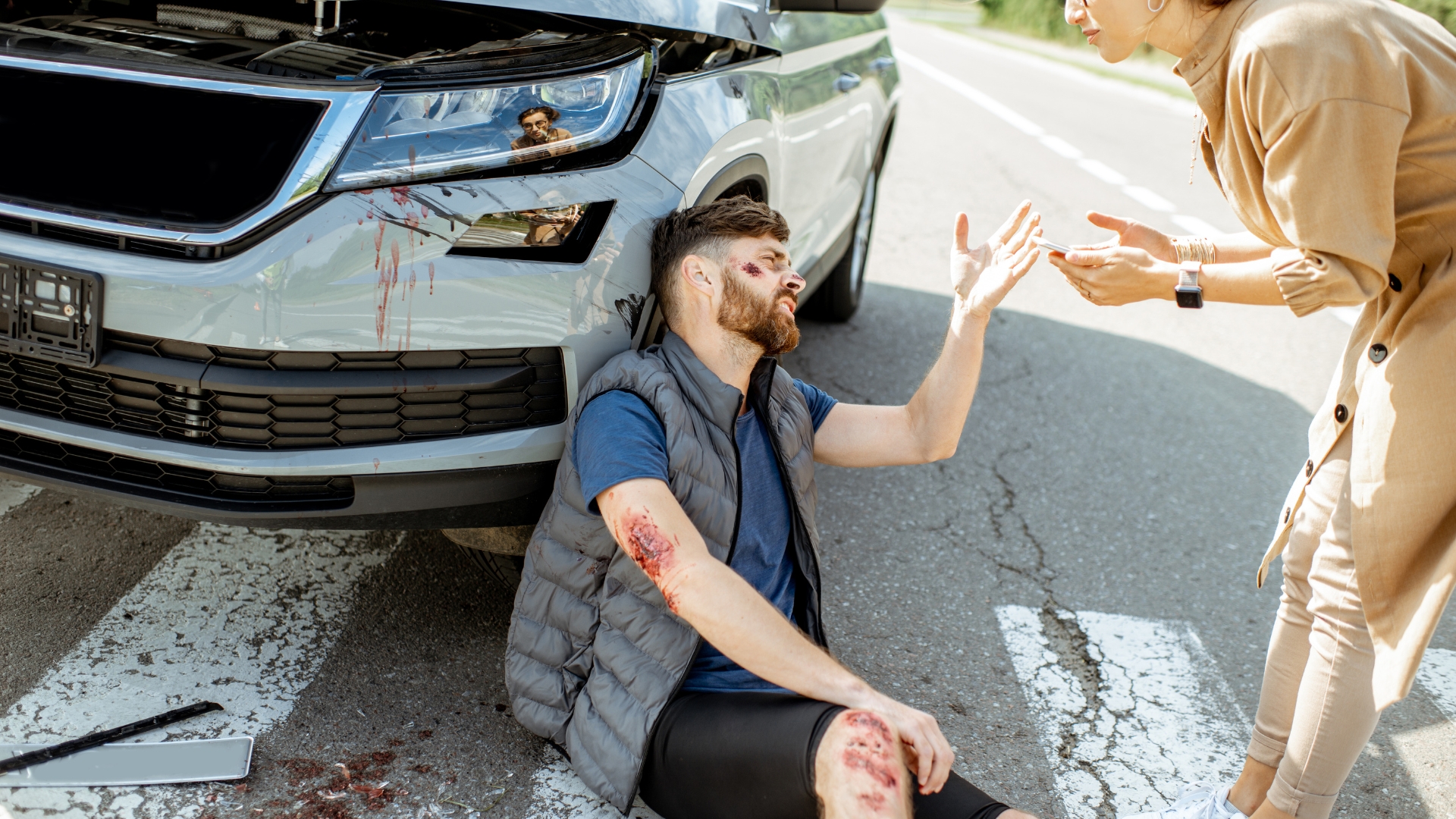
Call Goldberg & Loren for Help From Oregon Pedestrian Accident Attorneys Today
You do not have to deal with the driver’s insurance company alone after a pedestrian accident. The adjuster may already be looking for ways to blame you, reduce your medical bills, or pressure you into a fast settlement. Goldberg & Loren can step in, protect your claim, and help you understand what your case may be worth.
Our Oregon Pedestrian Accident Attorneys help injured walkers and families pursue compensation for medical bills, lost income, pain, future treatment, and wrongful death losses. We know how serious these crashes can be, and we know how quickly your life can change when a driver fails to stop, fails to yield, or hits you in a crosswalk.
Call Goldberg & Loren at (971) 803-4962 for a free consultation today. You pay nothing unless we win.
Practice Areas
Trust Us With Your Personal Injury Claim
If you or a loved one have been injured, Goldberg & Loren will fight for you every step of the way. We will give our all to secure the compensation you rightfully deserve.



Contact usfor a free consultation.
Phone: (971) 803-4962