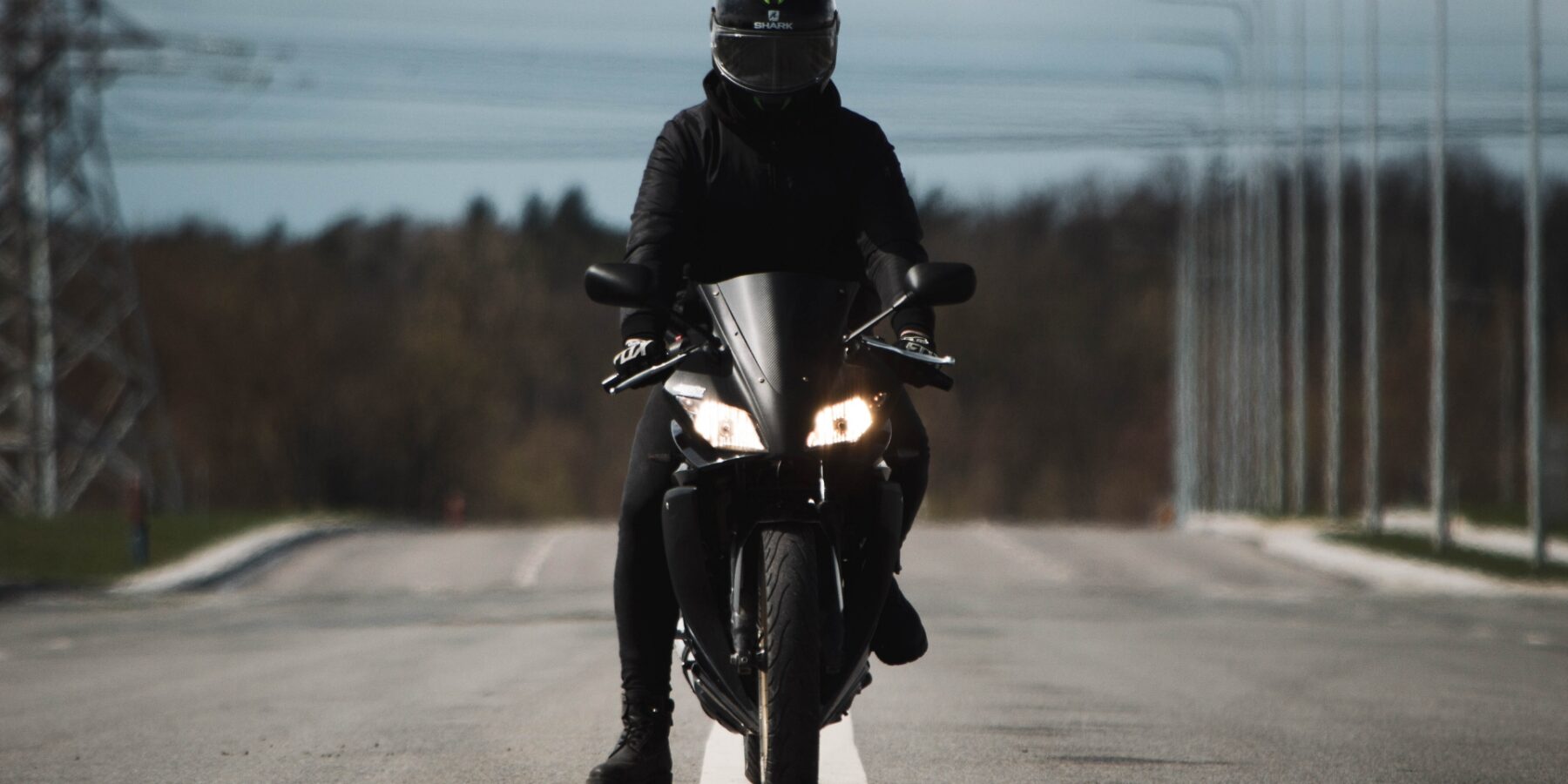
Lane Splitting Accident Lawyers in Oregon
Lane-splitting accident claims in Oregon can get complicated fast. A rider may face blame because Oregon law restricts motorcycles from riding between lanes or rows of traffic. At the same time, another driver may still share fault if they changed lanes without looking, crowded the motorcycle, opened a door into traffic, or failed to give the rider enough space.
Goldberg & Loren helps injured motorcycle riders understand what happened, what evidence matters, and how insurance companies may try to use lane splitting against them. These cases need more than a basic motorcycle accident claim. They need a close look at traffic conditions, driver behavior, road layout, vehicle damage, witness statements, and the rider’s injuries.
If you were hurt in a lane-splitting motorcycle accident in Oregon, call Goldberg & Loren at (971) 803-4962 for a free consultation. You pay nothing unless we win.
Oregon Lane Splitting Accident Lawyers Helping Injured Motorcycle Riders
Lane-splitting accident claims are different from standard motorcycle accident claims. The insurance company will often focus on the rider’s position in traffic before it looks at what the other driver did wrong. That can create problems for injured motorcyclists who need medical care, wage replacement, and fair compensation after a crash.
Goldberg & Loren helps injured riders build a clear claim after a lane-splitting accident in Oregon. Our team looks at the rider’s actions, the driver’s actions, the crash location, the traffic flow, and the evidence that shows how the collision happened. The goal is simple. We work to protect your claim before the insurance company turns one detail into the entire story.
Why Injured Riders Call Goldberg and Loren After Lane Splitting Crashes
Injured riders call Goldberg & Loren because lane splitting cases often start with unfair assumptions. Insurance adjusters may claim the rider caused the crash simply because the motorcycle was between lanes. That does not always tell the full story. A driver may have merged without signaling, drifted into the rider’s path, followed too closely, opened a door, or made a sudden move in stopped traffic.
A strong claim needs facts, not guesses. Goldberg & Loren can review the police report, photos, video footage, witness statements, medical records, and insurance communications. This matters because the first version of the crash can shape the entire claim. If the insurance company builds its position before you have legal help, it may become harder to correct later.
Lane splitting crashes can also cause serious injuries. Riders have little protection when a car, truck, or SUV hits them in tight traffic. Even a lower speed impact can throw a rider into another vehicle, the pavement, or a roadside object. Goldberg & Loren works to connect those injuries to the crash and show how they affect your life.
How Oregon Motorcycle Accident Attorneys Handle Complex Lane Splitting Claims
Oregon motorcycle accident attorneys must look at both traffic law and injury evidence in a lane-splitting case. The legal issue matters, but it does not erase every other fact. A rider’s lane position may matter. So does the other driver’s failure to look, yield, signal, or keep control of the vehicle.
Goldberg & Loren handles these cases by building the claim from the ground up. That means identifying all possible sources of fault, gathering evidence quickly, and reviewing how the insurance company may try to reduce the claim. In many cases, the driver’s conduct becomes just as important as the rider’s conduct.
A lane-splitting claim may also involve shared fault. Oregon law can reduce compensation if the injured person shares responsibility for the crash. That makes the evidence even more important. Goldberg & Loren works to push back against inflated blame and keep the focus on what actually caused the collision.
Is Lane Splitting Legal in Oregon
Lane splitting is not generally legal in Oregon. Oregon law restricts motorcycle and moped riders from operating between lanes of traffic or between adjacent rows of vehicles. That means a rider who was lane-splitting at the time of a crash may face tough questions from the police, the insurance company, and the other driver’s attorney.
That does not automatically mean the injured rider has no case. Goldberg & Loren looks at the full crash, not one fact in isolation. If another driver made an unsafe lane change, failed to check a blind spot, drifted into traffic, or blocked the rider’s lane, that driver’s conduct may still affect fault and compensation.
What Oregon Law Says About Riding Motorcycles Between Lanes
Oregon law treats lane splitting as motorcycle or moped unlawful passing in many traffic situations. The statute applies when a rider operates between lanes of traffic or between adjacent lines or rows of vehicles. It also applies when a rider overtakes and passes in the same lane occupied by another vehicle, unless that vehicle is another motorcycle or moped.
This issue matters because insurance adjusters often use the statute to argue that the rider caused the crash. They may point to lane splitting before they examine the other driver’s conduct. Goldberg & Loren can review whether the law applies to the facts, whether the crash report got the details right, and whether another driver’s negligence contributed to the collision.
A traffic violation can affect an injury claim, but it does not always decide the entire case. Oregon motorcycle crashes often involve several actions in a short time. A driver may move without warning. A rider may react quickly to avoid a worse crash. The legal analysis needs evidence, timing, lane position, and a clear view of what each person did.
How Lane Splitting Differs From Lane Filtering in Oregon
Lane splitting usually means a motorcyclist rides between moving traffic lanes. Lane filtering usually means a motorcyclist moves between stopped or slow vehicles, often near a light or traffic backup. Riders may use these terms differently, but insurance companies will focus on the conduct, the traffic conditions, and the exact movement before impact.
Oregon does not give riders broad permission to filter between vehicles. That makes the distinction important but not always case-ending. A rider who moved between stopped vehicles may still face a different fact pattern than a rider who moved between cars at freeway speed. The details matter.
Goldberg & Loren can help separate the legal issue from the crash issue. The insurance company may use a simple label such as lane splitting to shift blame. A stronger claim explains what actually happened. That includes vehicle speed, traffic flow, spacing, visibility, signals, and whether the driver acted safely around the motorcycle.
Why Lane Splitting Can Affect Fault After an Oregon Motorcycle Crash
Lane splitting can affect fault because it changes how the insurance company evaluates the rider’s choices. If the rider violated a traffic law, the other side may argue that the rider caused or helped cause the crash. That argument can reduce the value of the claim or lead to a denial.
The other driver’s actions still matter. Oregon drivers must operate safely around motorcycles. Drivers cannot ignore blind spots, crowd riders, cut across lanes, or make sudden movements without checking traffic. When a driver creates the danger that causes the crash, the rider may still have a path to compensation.
Goldberg & Loren reviews lane splitting crashes with both sides of the fault question in mind. We look at what the rider did. We also look at what the driver did before impact. That balanced approach matters because insurance companies often want the story to stop at the motorcycle’s lane position.
When a Traffic Violation Can Hurt an Injury Claim
A traffic violation can hurt an injury claim when the insurance company connects that violation to the crash. For example, if a rider moved between two lanes and struck a car that held its lane, the insurer may argue that the rider caused the collision. That kind of fact pattern can create a serious challenge.
The insurer still needs evidence. It cannot fairly rely on assumptions about motorcyclists or repeat the phrase lane splitting until it sounds like proof. Photos, video, witness statements, vehicle damage, and the police report can show whether the violation actually caused the crash.
Goldberg & Loren works to limit unfair blame. If the rider made a mistake, the case may still depend on whether another driver also acted carelessly. Oregon injury claims often turn on percentages of fault, not all-or-nothing accusations.
When Another Driver May Still Share Fault
Another driver may share fault when that driver failed to act safely before the collision. A car driver may drift between lanes, change lanes without signaling, block a motorcycle’s path, or open a door near traffic. A truck driver may miss the rider in a blind spot or crowd the motorcycle in slow traffic.
These facts can change the claim. The rider’s lane position may create one issue, but the driver’s unsafe movement can create another. A crash does not become the rider’s fault simply because a motorcycle was involved.
Goldberg & Loren can investigate the driver’s conduct and use evidence to challenge a one-sided fault decision. That may include gathering video, checking the crash scene, reviewing vehicle damage, and identifying witnesses who saw the driver’s movement before impact.
Who Is at Fault in an Oregon Lane Splitting Motorcycle Accident
Fault in an Oregon lane-splitting motorcycle accident depends on what each person did before the crash. The rider’s lane position matters, but it does not end the investigation. A driver may still cause or contribute to a crash by moving without looking, drifting between lanes, failing to signal, blocking the motorcycle, or making a sudden turn in traffic.
Goldberg & Loren reviews these claims with a practical question in mind. What actually caused the impact? Insurance companies may try to blame the rider first because lane splitting gives them an easy argument. Our job is to slow that process down, gather the evidence, and show the full sequence of events.
How Oregon Comparative Fault Rules Can Affect Your Recovery
Oregon uses comparative fault in personal injury cases. This means your compensation can change if you share responsibility for the crash. If the insurance company argues that you were partly at fault for lane splitting, it may try to reduce what it owes you.
That does not mean you should give up on your claim. Many motorcycle crashes involve more than one careless action. A rider may have been between lanes, but a driver may still have made the move that caused the collision. Goldberg & Loren looks at those details before the insurance company locks in a blame-heavy version of the crash.
Comparative fault makes evidence more valuable. A few seconds of video, one clear witness statement, or the location of vehicle damage can shift the fault analysis. If the other driver had enough time to see the motorcycle or made an unsafe move, that evidence can help protect your recovery.
When Drivers Cause Lane Splitting Motorcycle Accidents in Oregon
Drivers often cause lane-splitting crashes when they fail to watch for motorcycles in tight or slow traffic. Motorcycles are smaller than cars, and drivers often miss them when traffic bunches up. That does not excuse careless driving. Oregon drivers still need to check mirrors, use signals, and avoid sudden movements that put riders at risk.
Goldberg & Loren investigates how the driver acted before the crash. We look for signs that the driver changed lanes too quickly, drifted across lane markings, opened a door, turned across the rider’s path, or failed to leave enough space. These details can show that the driver had a role in causing the motorcycle accident.
A driver’s fault can matter even when the rider faces criticism for lane splitting. The insurance company may want a simple story. The evidence may tell a different story.
Unsafe Lane Changes Near Motorcyclists
Unsafe lane changes cause serious motorcycle crashes because riders have little time to react. A driver may move into the motorcycle’s path without checking mirrors or blind spots. In heavy Oregon traffic, that sudden movement can leave the rider with nowhere to go.
Goldberg & Loren looks for details that prove the lane change happened too fast or without warning. Turn signals, skid marks, impact angles, and witness statements can all help. A driver who changed lanes without confirming the lane was clear may share fault for the crash.
These cases often come down to timing. If the driver moved at the last second, the rider may not have had a fair chance to avoid impact. That fact can help push back against an insurer’s attempt to blame the motorcyclist for everything.
Drivers Opening Doors or Moving Suddenly in Traffic
A driver who opens a door into traffic can create a dangerous trap for a motorcycle rider. This can happen in congested areas, near parked vehicles, or in stopped traffic. A rider may have almost no space to react before striking the door or swerving into another vehicle.
Sudden vehicle movements can create the same problem. A driver may pull out of a line of cars, angle across lanes, or move toward a shoulder without checking for a motorcycle. These actions can turn slow traffic into a serious crash scene within seconds.
Goldberg & Loren reviews dooring and sudden movement cases carefully because insurance companies may still focus on the rider’s lane position. The better question is whether the driver created a hazard that a reasonable person should have avoided. That question matters in any fair fault review.
Distracted Drivers Who Fail to Check Blind Spots
Distracted drivers create major risks for motorcycle riders. A driver who looks at a phone, adjusts navigation, checks a message, or talks to a passenger may miss a motorcycle nearby. In a lane-splitting crash, that missed observation can become the difference between a safe stop and a serious collision.
Blind spots make this worse. Motorcycles can disappear from a driver’s view more easily than larger vehicles. Drivers must compensate by checking mirrors and looking before they move. When they skip that step, they can cause a crash.
Goldberg & Loren can investigate distraction through witness statements, the driver’s behavior after the crash, available video, and phone-related evidence when appropriate. The insurance company may not volunteer those facts. A lawyer may need to ask the right questions early.
When Insurance Companies Blame the Motorcyclist First
Insurance companies often blame motorcyclists first because rider bias can make their argument easier to sell. They may assume the rider was speeding, weaving through traffic, or taking unnecessary risks. Those assumptions can damage a valid claim if no one challenges them.
Goldberg & Loren pushes back by grounding the claim in evidence. We do not let the insurance company treat lane splitting as a shortcut around the full investigation. The crash still requires a careful look at traffic, speed, spacing, driver actions, injuries, and the physical evidence.
An insurer may also use the rider’s words against them. A quick apology, a guess about speed, or a recorded statement can become part of a blame argument. That is why injured riders should speak with an attorney before making detailed statements to the insurance company.
Why Fault Arguments Start Early
Fault arguments often start within days of a motorcycle crash. The insurance company may contact the rider quickly and ask questions that sound harmless. Those questions can push the rider into giving answers before they know what the police report, video, or witnesses say.
Early fault arguments can shape the rest of the claim. If the insurer records a statement that sounds bad for the rider, it may use that statement during settlement talks. Even small details can create problems when the insurer repeats them out of context.
Goldberg & Loren helps riders avoid those traps. We can handle insurance communication, review the facts, and make sure the claim does not rest on rushed answers during a stressful week.
How Evidence Can Push Back Against Rider Bias
Evidence can push back against unfair rider bias because it gives the claim a factual record. Video can show whether the driver moved suddenly. Photos can show where the impact happened. Witnesses can explain whether traffic was stopped, slow, or moving normally.
Medical records can also matter. They connect the injuries to the crash and show how serious the harm became after impact. This helps prevent the insurance company from treating the claim like a minor traffic issue instead of a real injury case.
Goldberg & Loren uses evidence to keep the claim focused on what happened, not what the insurer assumes about motorcycle riders. That approach can help protect injured riders from unfair blame and undervalued settlement offers.
Call Goldberg and Loren After a Lane Splitting Accident in Oregon
A lane-splitting crash can leave you dealing with pain, medical bills, missed work, motorcycle damage, and an insurance company that already wants to blame you. You do not need to sort through that alone. Goldberg & Loren helps injured riders understand their rights, protect their claims, and pursue compensation after serious motorcycle accidents in Oregon.
Our Lane Splitting Accident Lawyers in Oregon can review what happened, explain how fault may affect your case, and deal with the insurance company for you. We know how quickly these claims can turn against the rider. We also know how to investigate the driver’s conduct, the traffic conditions, and the evidence that may support your recovery.
How Our Oregon Motorcycle Accident Lawyers Can Help
Goldberg & Loren can step in early and handle the pressure points that often hurt motorcycle injury claims. Our team can review crash reports, gather photos and video, contact witnesses, evaluate insurance coverage, and document your injuries. We can also communicate with adjusters so you do not have to guess what to say after a crash.
Lane splitting cases often involve disputed fault. The insurance company may argue that the rider caused the crash before it reviews the driver’s unsafe lane change, sudden movement, or failure to check a blind spot. Goldberg & Loren works to keep the claim focused on evidence, not assumptions about motorcycle riders.
We also help calculate the full impact of the crash. That may include emergency care, surgery, physical therapy, lost income, reduced earning ability, motorcycle repairs, pain, and long-term physical limits. If the insurance company offers less than the claim is worth, we can push for a better result.
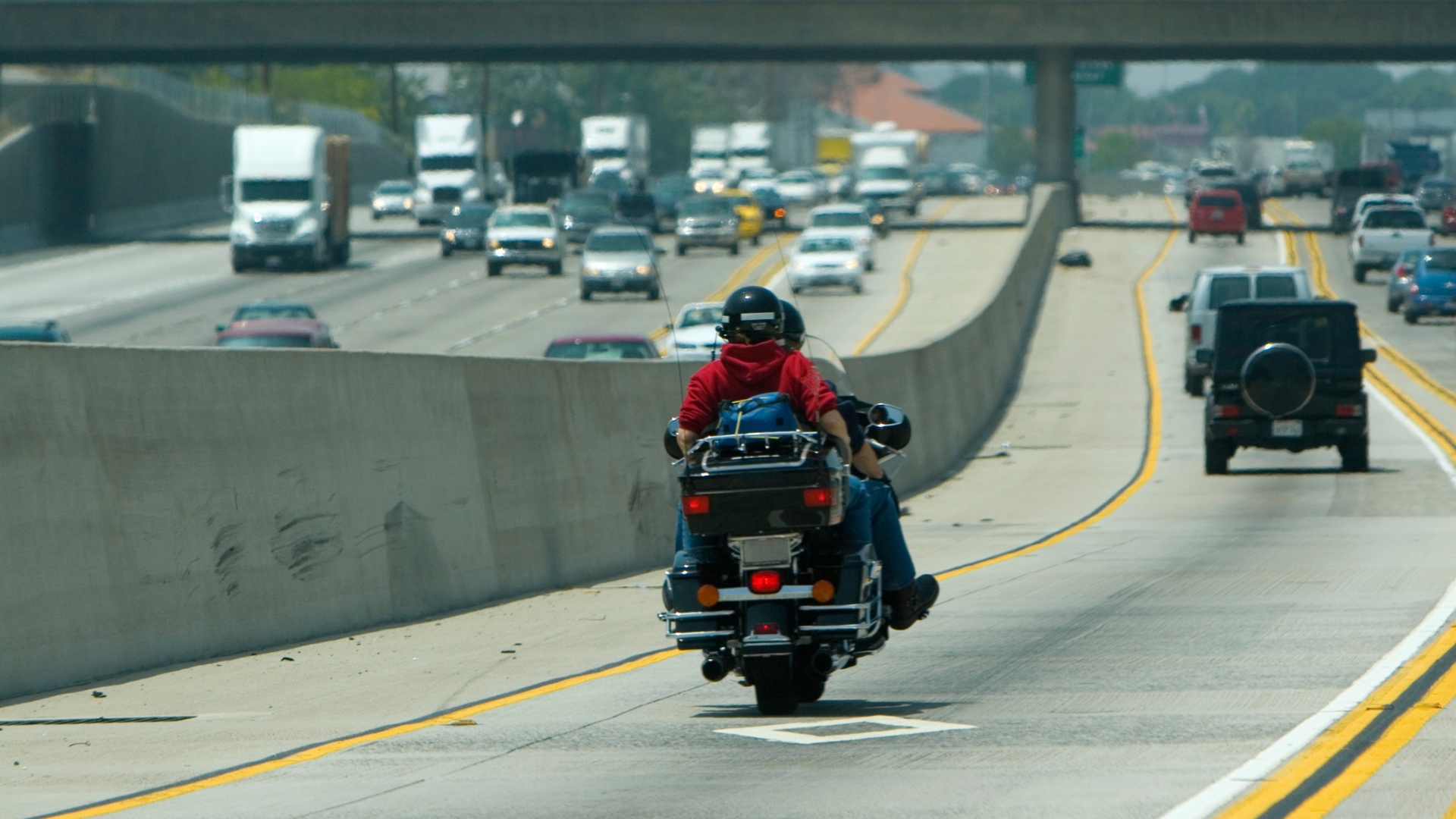
Start Your Free Lane Splitting Accident Case Review Today
You should not wait until the insurance company denies your claim or pressures you into a low settlement. The sooner Goldberg & Loren reviews your case, the sooner we can protect evidence, identify fault issues, and help you understand your next steps. Early legal help can make a real difference when the other side already wants to blame the rider.
Goldberg & Loren offers free consultations for injured motorcycle riders in Oregon. You pay nothing unless we win. If you were hurt in a lane-splitting accident, call (971) 803-4962 today and speak with an Oregon motorcycle accident lawyer who can help you move forward.
Practice Areas
Trust Us With Your Personal Injury Claim
If you or a loved one have been injured, Goldberg & Loren will fight for you every step of the way. We will give our all to secure the compensation you rightfully deserve.




Contact usfor a free consultation.
Phone: (971) 803-4962